


“Are stem cells actually injected into my face?”
We hear this question often from patients researching regenerative skin treatments in Tokyo.
The honest answer is: not necessarily.
A “stem cell facial” does not necessarily involve injecting living stem cells into the face.
One clinic may be talking about stem cell-derived exosomes; another may mean culture supernatant, PRP, or a topical product containing plant extracts.
fOnly some procedures use living cells.
That is more than a technical distinction.
What is used, how it reaches the skin, and the condition of the skin on the day all affect what the treatment can reasonably be expected to do.
At BIANCA CLINIC in Tokyo, regenerative medicine is considered alongside aesthetic dermatology and internal medicine—not treated as an isolated menu.
At BIANCA, regenerative treatments are performed under medical supervision by doctors who assess the patient’s condition before recommending an appropriate option.
What Does “Stem Cell Facial” Actually Mean?
There is no single, universally standardized procedure called a stem cell facial.
Depending on the clinic or product, the name may refer to:
- Stem cell-derived exosomes
- Stem cell culture supernatant
- Growth factors, cytokines, or peptides obtained during cell culture
- PRP prepared from the patient’s own blood
- Cultured cells obtained from the patient
- Plant stem cell extracts used in cosmetics
These are not interchangeable.
Exosomes are microscopic vesicles that carry signals between cells.
They come from cells, but they are not stem cells.
Culture supernatant is the fluid collected during cell culture and may contain growth factors, cytokines, peptides, and other substances released by the cells.
PRP is different again.
It is prepared from the patient’s blood and contains concentrated platelets and growth factors.
A genuine cell-based procedure belongs in another category: it may involve collecting tissue, culturing selected cells, and later returning those cells to the patient.
Each option has its own purpose, screening process, and timetable.
In other words, the words “stem cell facial” tell you less than you might think.
An Exosome Facial Is Not the Same as Stem Cell Therapy
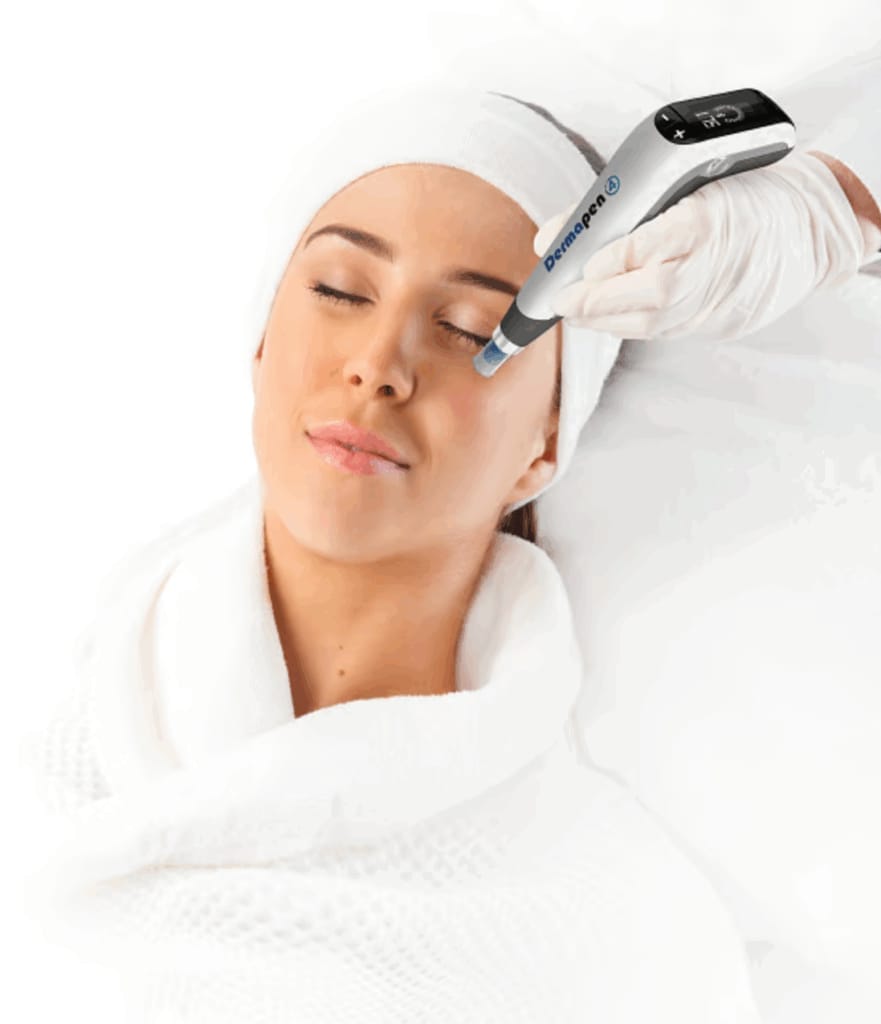
At BIANCA, Exosome Therapy is available in different forms, including facial treatment, injection, and IV drip.
The appropriate approach depends on the patient’s goals and condition.
It combines M2P Exosome™, a stem cell-derived exosome formulation, with Dermapen 4 microneedling.
Dermapen 4 creates controlled microchannels in the skin, after which the exosome formulation is applied to the treated area.
This treatment may be considered for concerns such as uneven skin texture, visible pores, reduced firmness, and certain types of acne marks.
Exosomes are microscopic vesicles released by cells and involved in communication between them.
Although the exosomes used in this treatment are derived from stem cells, they are not stem cells themselves.
The treatment is therefore different from autologous stem cell therapy, which involves collecting, culturing, and administering the patient’s own cells.
It should also be distinguished from sheet masks, creams, and other cosmetic products marketed as “stem cell skincare.”
Rather than choosing a treatment based on attention-grabbing terms such as “rejuvenation,” it is important to understand exactly what is being used and how it will be delivered to the skin.
The Exosome Formulation Is Not a Minor Detail
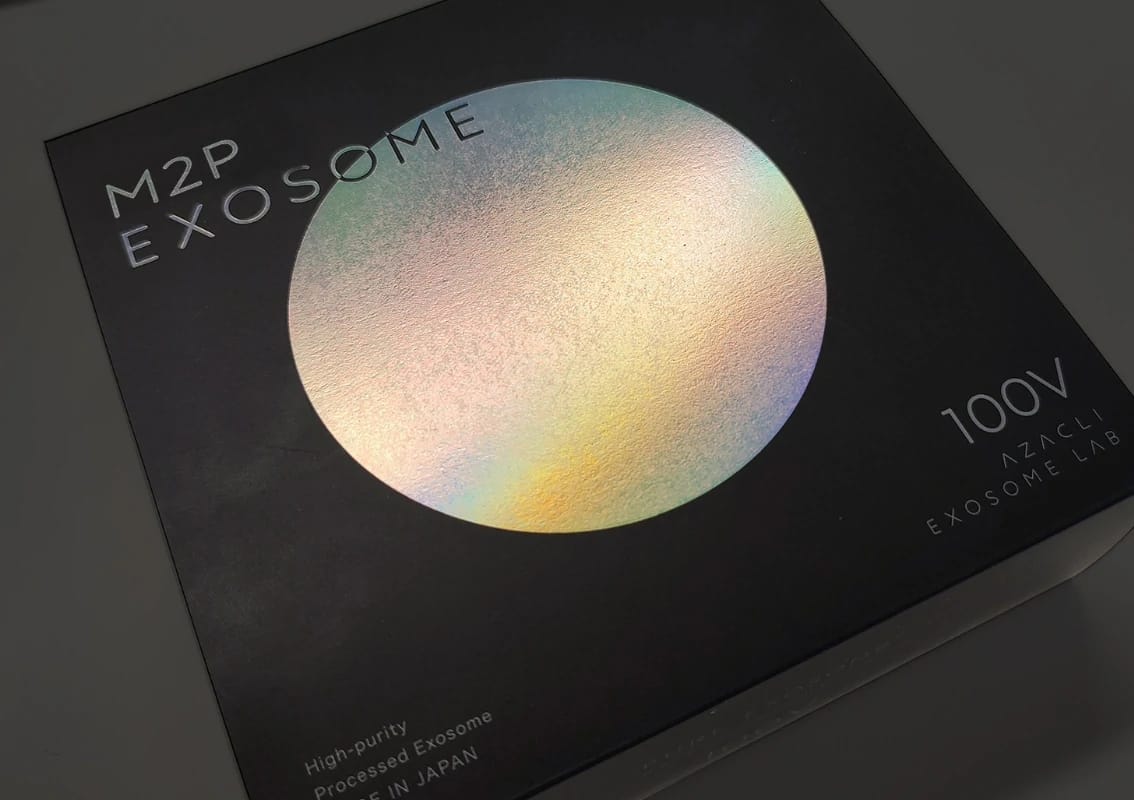
Not all exosome formulations are alike.
The source cells, culture conditions, purification process, and handling can vary from one product to another.
BIANCA’s Exosome Facial uses M2P Exosome™, a formulation derived from carefully selected stem cells and developed with inflammatory aging signals in mind.
Combined with Dermapen 4, it may be used for concerns such as uneven texture, visible pores, acne marks, or a general loss of firmness.
However, the product itself is only one part of the treatment decision.
The doctor also needs to judge whether microneedling is appropriate for the skin that day and whether the expected recovery fits the patient’s plans.
If the skin is inflamed, sunburned, or simply not ready for a more intensive procedure, keeping the appointment at all costs makes little sense.
The skin in front of us matters more than the treatment name on the booking form.
The Ingredient Is Only Half of the Treatment
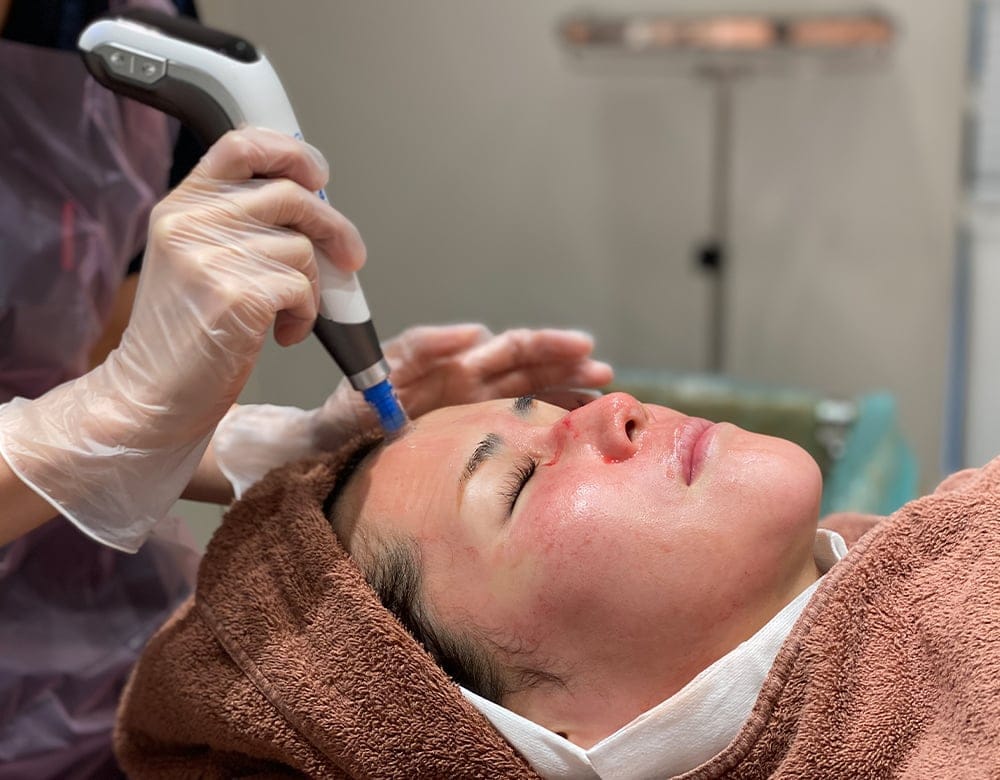
Patients naturally compare regenerative treatments by ingredient.
We also look at how that ingredient is delivered to the skin.
A serum applied to intact skin is not the same as a formulation used after microneedling.
Hand injection differs from device-assisted injection.
An IV infusion serves a different purpose from a facial procedure.
Two treatments may both use the word “exosome” and still have little else in common.
Topical skincare
A cosmetic serum or face mask works mainly at the skin’s surface.
It may add hydration or leave the skin feeling smoother, but it should not be presented as equivalent to an in-clinic medical procedure.
Microneedling-assisted delivery
Microneedling creates tiny, controlled channels in the skin.
This helps deliver the selected formulation while prompting the skin’s natural wound-healing response.
Because the skin is deliberately stimulated, temporary redness, dryness, roughness, or peeling can follow.
Direct injection
With hand injection, the doctor can target selected areas and adjust the amount according to the patient’s concern.
Device-assisted injection may be chosen when even distribution over a wider area is preferred.
The most intensive option is not automatically the best one.
The decision depends on whether the concern is localized or widespread, the downtime the patient can manage, and what has already been tried.
What Can a Stem Cell-Derived Facial Realistically Address?
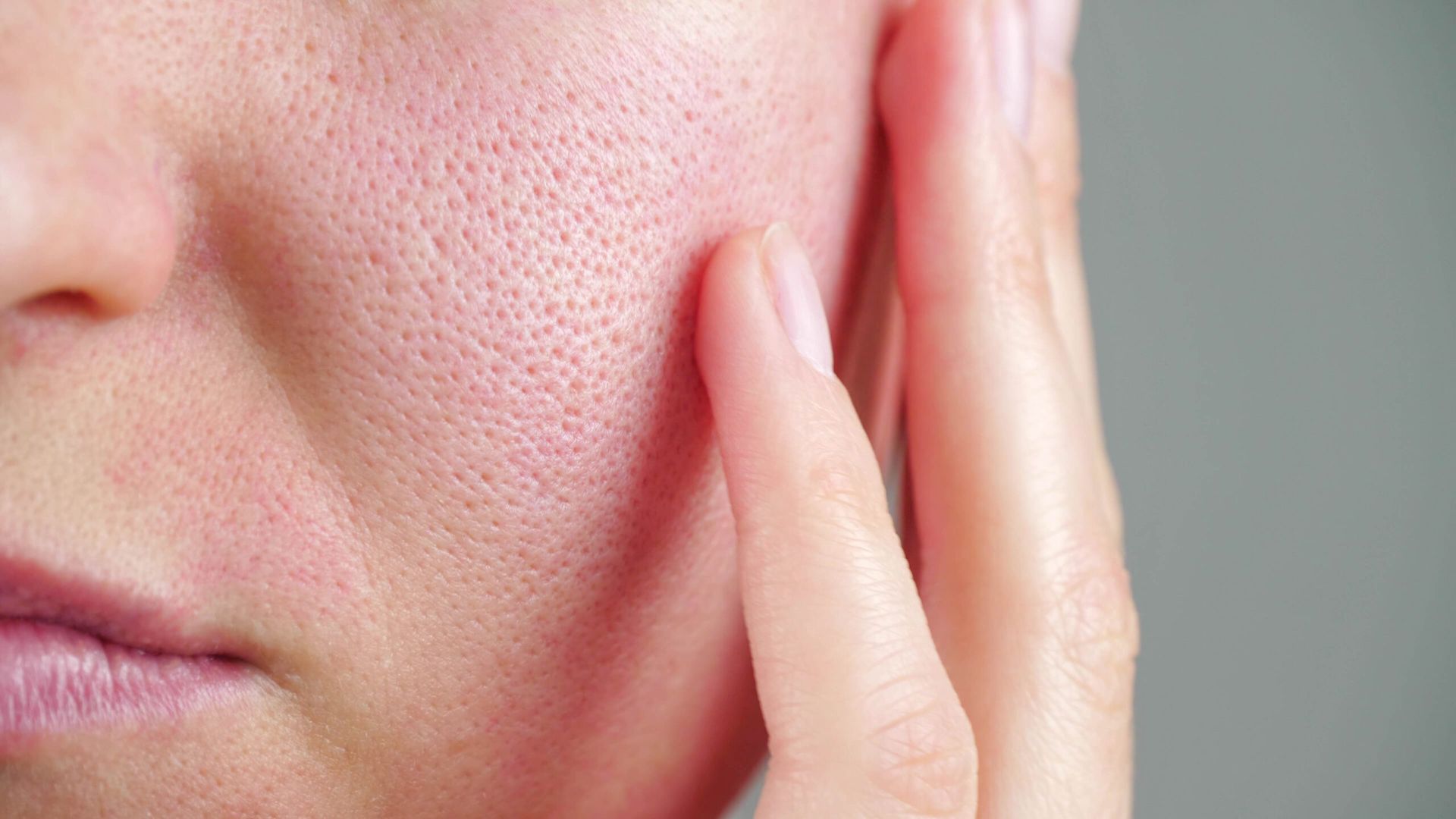
Patients often ask for “younger skin,” but that can mean five different things before breakfast.
One person wants makeup to stop catching on dry patches.
Another is bothered by pores and old acne marks.
Someone else looks tired in photographs even after a full night’s sleep.
Those concerns do not necessarily share the same cause.
Exosome Therapy may be considered for patients seeking skin rejuvenation, improved elasticity, or a more refreshed appearance, particularly when dullness, fine lines, or inflammation-prone skin are concerns.
An exosome-based or stem cell-derived facial may be considered for:
- Rough or uneven texture
- Dryness and reduced radiance
- Visible pores
- Mild loss of firmness
- Fine lines related to skin quality
- Certain acne marks
- Skin that looks tired or stressed
Changes tend to be gradual.
This is not a volumizing treatment like dermal filler, and it cannot reposition lax tissue in the way surgery can.
Instead, some patients notice smoother texture, better hydration, or a fresher overall appearance over time.
“Regenerative” is a powerful word, and it can make skin renewal sound almost instantaneous.
Skin has not read the marketing copy.
Results differ according to age, sun exposure, inflammation, acne scarring, lifestyle, and the condition of the skin before treatment.
Before Considering an Exosome Facial for Acne Marks and Enlarged Pores
“Acne marks” can refer to several different skin concerns.
These include lingering redness, brown pigmentation, shallow unevenness that resembles enlarged pores, and deeper indented scars.
Each may require a different treatment approach.
The same is true of visible pores.
They may be related to excess sebum or clogged pores, but dryness, reduced firmness, and unevenness caused by acne scarring can also make pores appear more noticeable.
Before considering an Exosome Facial, it is important to identify what is actually affecting the skin’s appearance.
At BIANCA, VISIA® skin imaging may be used to assess features that are difficult to see in a mirror or standard photograph.
The images do not determine the treatment on their own.
The doctor also examines the skin directly and reviews previous procedures and the patient’s usual skincare routine before deciding whether the treatment is appropriate.
An Exosome Facial with Dermapen 4 may be considered for mild unevenness or visible pores. Deeper acne scars or scars tethered to the underlying tissue may require a different treatment or a combination of procedures.
Recovery depends on the treatment method.
While some regenerative treatments have minimal downtime, a facial performed with microneedling can cause temporary redness, dryness, roughness, or peeling.
If active acne, inflammation, or pronounced redness is present, calming the skin may need to come first.
Being able to perform a treatment does not necessarily mean it is the right treatment for the skin that day.
The decision should not begin with the treatment name.
It should begin with a closer look at the acne marks or pores and what the skin needs now.
Why “Stem Cell Facial” Is Not Where the Consultation Ends at BIANCA

Some patients arrive at BIANCA already set on an Exosome Facial with Dermapen 4.
We take that request seriously, but we do not treat the name on the booking form as the final decision.
The consultation starts with the skin in front of us.
Redness or inflammation, for example, may be difficult to see in an ordinary photograph.
If the skin is already irritated, adding microneedling may not be appropriate that day.
The more sensible choice could be to calm the skin first, choose a gentler option, or simply wait.
The same applies to pores, acne marks, and dullness.
What looks like enlarged pores may be related to dryness, active inflammation, or depressed acne scarring.
A dull complexion may come from dehydration, pigmentation, inflammation, or several issues at once.
The treatment changes when the cause changes.
When useful, VISIA® skin imaging helps us look more closely at features that are easy to miss in the mirror.
The images are reviewed alongside the doctor’s examination—not used as an automatic treatment selector.
We also ask about previous procedures, daily skincare, skin sensitivity, medical history, budget, and the amount of recovery time available.
For patients visiting from overseas, arrival dates, departure dates, and important plans in Tokyo matter too.
BIANCA offers several routes within regenerative aesthetics, including:
- Exosome Therapy (Injection / IV Drip / Facial)
- Purified Stem Cell Culture Supernatant IV Drips
- Autologous Adipose-Derived Stem Cell IV Therapy
- PRP Skin Regeneration Therapy
- Dermal Fibroblast Cell Therapy
For facial skin concerns, Exosome Therapy and PRP may be considered among the available options.
Not all of these treatments are designed specifically for facial skin.
Some are systemic regenerative therapies rather than facial procedures.
These options do not all belong to the same treatment category.
Some use stem cell-derived formulations, while others involve the patient’s own blood or cultured cells.
You can explore BIANCA’s stem cell and regenerative medicine treatments to learn how the available approaches differ.
More options do not mean more treatment.
They give the doctor room to avoid squeezing every concern into the same protocol.
Sometimes the most useful recommendation is to postpone the procedure a patient originally had in mind.
▶BIANCA’s stem cell and regenerative medicine treatments
When PRP may make more sense
PRP is prepared from the patient’s own blood and may be injected into specific areas or combined with microneedling.
It can be considered for texture changes, fine lines, or some acne-related concerns.
Because blood collection and processing are involved, PRP is a different experience from using a prepared exosome formulation.
Neither option is universally better; the sources, processes, and practical considerations are simply different.
When fibroblast therapy is a different conversation
Autologous dermal fibroblast therapy involves taking a small skin sample, culturing the patient’s fibroblasts, and later injecting them into areas of concern.
Fibroblasts produce components such as collagen and elastin.
This is not something to squeeze casually between sightseeing and dinner.
Screening, cell cultivation, and advance scheduling are required.
International patients also need to consider the length of their stay and whether return visits will be necessary.
When another aesthetic treatment may be more direct
Regenerative treatments are not a universal answer to aging.
If pigmentation is the main issue, a laser or pigment-focused procedure may be more direct.
If facial volume has changed, a skin-quality treatment will not produce the structural effect of a filler.
With more pronounced laxity, RF, ultrasound-based treatment, or surgery may be part of the discussion.
The useful question is not “Which treatment sounds most advanced?” It is “What is causing the change I see?”
Planning Treatment During a Trip to Tokyo

International patients often plan carefully for the appointment and forget about the days that follow.
Because BIANCA’s Exosome Facial uses Dermapen 4, it is not a zero-downtime spa facial.
Redness, warmth, stinging, dryness, roughness, or peeling can occur and may last for about a week.
The intensity and duration vary.
We would therefore avoid scheduling it immediately before an important event, professional photoshoot, or long-awaited dinner—unless explaining a peeling face is part of the evening plan.
Before booking, tell the clinic about:
- Your arrival and departure dates
- Important events during your stay
- Recent laser, peeling, injection, or microneedling procedures
- Prescription medication and active skincare ingredients
- Previous allergic reactions
- Current acne, eczema, irritation, or sunburn
Afterward, follow the medical team’s instructions.
You may be asked to avoid rubbing the skin, use gentle skincare products, protect the area from UV exposure, and temporarily limit makeup, strenuous exercise, alcohol, or heat exposure.
Interpretation and counseling support are available free of charge.
Some doctors may charge an additional selection fee, so check this when booking.
International patients should leave the consultation understanding what was recommended, why it was recommended, and how it fits the rest of their trip.
Five Questions to Ask Before Choosing a Stem Cell Facial

Clinic terminology is not always consistent.
These five questions make comparison easier:
- Does the treatment use living cells, culture supernatant, exosomes, or PRP?
- Where does the material come from?
- How will it be applied or delivered into the skin?
- What downtime is associated with that delivery method?
- Why does the doctor consider it suitable for my particular concern?
If a clinic cannot clearly explain the material and delivery method, the label “stem cell facial” is not enough information for a medical decision.
Frequently Asked Questions
Q.Are live stem cells injected during a stem cell facial?
Not always.
Many treatments marketed as stem cell facials use stem cell-derived exosomes, culture supernatant, or formulations containing growth factors rather than living cells.
Ask for the exact product name, contents, and source.
Q.Is an exosome facial the same as stem cell therapy?
No. Exosomes are microscopic vesicles released by cells; they are not living stem cells.
Autologous stem cell therapy involves collecting and administering the patient’s own cells and follows a different medical process.
Q.Is a medical facial different from a stem cell face mask?
Yes. A face mask remains on the skin’s surface.
An in-clinic procedure may use microneedling or injection and therefore requires attention to contraindications, risks, and downtime.
Q.How many sessions will I need?
The number of sessions depends on the treatment and your individual condition.
For facial rejuvenation, 3–5 sessions spaced several weeks apart may commonly be recommended, although the appropriate plan varies by patient.
Some patients may start with one session and review how their skin responds before deciding whether to continue.
Your doctor can recommend a plan based on your goals, skin condition, and response to treatment.
Q.What side effects can occur after an Exosome Facial?
Downtime varies depending on the type of Exosome Therapy and how it is delivered.
When Dermapen 4 is used, possible reactions include redness, stinging, dryness, roughness, swelling, and peeling.
BIANCA advises patients that downtime may last about one week.
Contact the clinic if symptoms are severe or persist longer than expected.
Q.Can I fly home shortly after treatment?
Flying may be possible, but consider whether you can manage aftercare and reach the clinic if an unexpected reaction occurs.
When possible, leave some time between treatment and departure.
Q.How much does a stem cell facial treatment cost in Tokyo?
The price depends on the material and delivery method.
A cosmetic facial, exosome treatment, PRP procedure, and autologous cell therapy are not directly comparable.
For current pricing, please check the relevant BIANCA treatment page, as fees vary depending on the treatment and delivery method.
Q.The Right Question Is Not “Which Stem Cell Facial Is Best?”
A better question is: what does your skin need, and which treatment can reasonably provide it?
BIANCA offers more than one regenerative option.
Our doctors can compare an Exosome Facial with PRP, injectable skin treatments, dermal fibroblast therapy, and conventional aesthetic procedures instead of treating “stem cell facial” as the answer to every concern.
Sometimes the consultation confirms the treatment the patient originally requested.
Sometimes it points elsewhere.
Both are useful outcomes.
Treatment names travel quickly online.
Your skin does not necessarily need the treatment currently getting the most attention.
If you are visiting Tokyo, tell us how much time you have, when you are flying home, and whether photographs, dinners, or other important plans are coming up.
Explore BIANCA’s Stem Cell and Regenerative Medicine Treatments
Compare Exosome Therapy, PRP, fibroblast therapy, and other regenerative options before your consultation.