



TEAR TROUGH
- Point 1 : 01 Tear trough deformity stems from volume loss, orbital fat protrusion, and midface changes. At BIANCA CLINIC, we thoroughly assess lower eyelid structures to determine the most suitable treatment for your anatomy.
- Point 2 : 02 Treatment options include non-surgical hyaluronic acid or collagen injections, as well as surgical approaches like Hamra blepharoplasty and fat grafting, tailored to your specific eye bags, hollows, and goals.
-
Point 3 :
03
The periorbital area features delicate tissue and intricate vasculature. Our physicians evaluate skin thickness and anatomy to carefully plan treatments, utilizing microcannulas, local anesthesia, or sedation for optimal safety and outcomes.
Recommended for
- Those who are concerned about tear trough hollows or shadows that make the eyes appear tired.
- Those who notice tear trough dark circles or tear trough eye bags associated with lower eyelid contours, skin changes, or orbital fat protrusion.
- Those who are considering personalized tear trough treatment in Tokyo, including non-surgical treatment or surgical correction, based on their individual anatomy.
Treatment Area
FILLERS
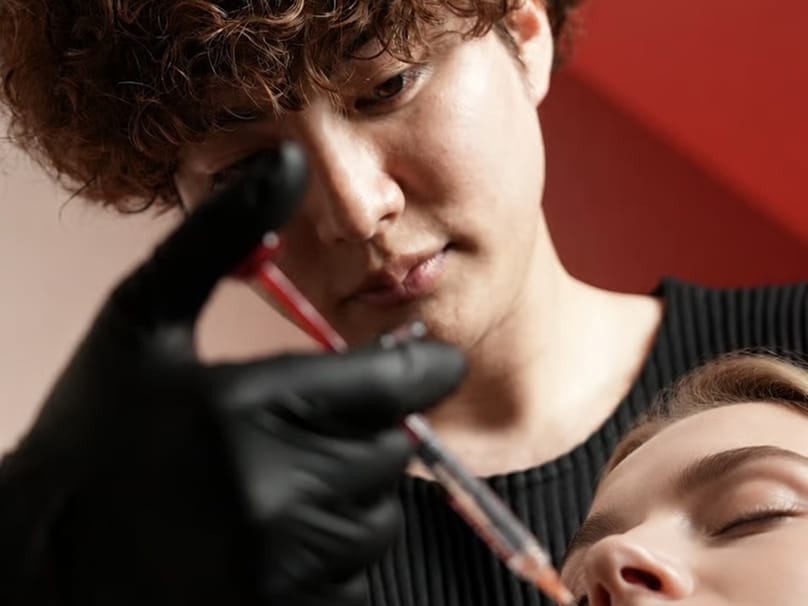
Hyaluronic acid fillers are among the injectable options used for facial volume restoration and contour refinement at BIANCA CLINIC. Tear trough treatment is planned conservatively because the lower eyelid is a delicate area where swelling, contour irregularities, or discoloration may be noticeable.
The suitability of tear trough filler depends on the cause of the under-eye appearance. A consultation is important when the concern is accompanied by prominent tear trough eye bags, skin laxity, or orbital fat protrusion.
Point 2: BIANCA CLINIC offers several hyaluronic acid filler products. The physician selects the appropriate product and treatment plan according to the treatment area and individual characteristics.
Point 3: Swelling, bruising, redness, tenderness, contour irregularities, Tyndall-type discoloration, migration, and vascular complications are among the potential risks associated with filler treatment. Treatment planning takes the anatomy and risk profile of the periorbital area into consideration.
-Those seeking a non-surgical tear trough correction using an injectable treatment.
-Those who would like to discuss tear trough filler in Japan as part of an individualized treatment plan.
-Those interested in tear trough filler before and after treatment information to understand how individual results may vary.
-Those who would like an assessment of whether filler is appropriate for their particular tear trough anatomy.
COLLAGEN INJECTIONS (DARK CIRCLES REMOVE)

For under-eye concerns, the treatment is planned according to the condition of the skin and the appearance of the lower eyelid–cheek junction. The aim is to address skin quality and contour concerns while taking the thinness and sensitivity of the under-eye area into consideration.
Because tear trough dark circles can have different causes, including shadows, pigmentation, visible vessels, skin characteristics, and structural hollows, collagen injections are not appropriate for every type of dark circle. A physician's assessment is required before treatment.
Point 2: BIANCA CLINIC uses a microcannula for Baby Collagen treatment in the under-eye area. Injection technique and placement are adjusted according to the patient's anatomy and treatment area.
Point 3: The appearance of the treated area may change as initial swelling settles and the injected material integrates with the surrounding tissue. Individual responses and the duration of the effect vary.
-Those who notice fine lines or changes in skin firmness around the lower eyelids.
-Those who have shallow tear trough hollows or an uneven lower eyelid–cheek transition.
-Those who are interested in collagen injections for under-eye concerns without undergoing surgery.
-Those who would like their dark circles and tear trough anatomy assessed before selecting a treatment.
HAMRA (LOWER BLEPHAROPLASTY)
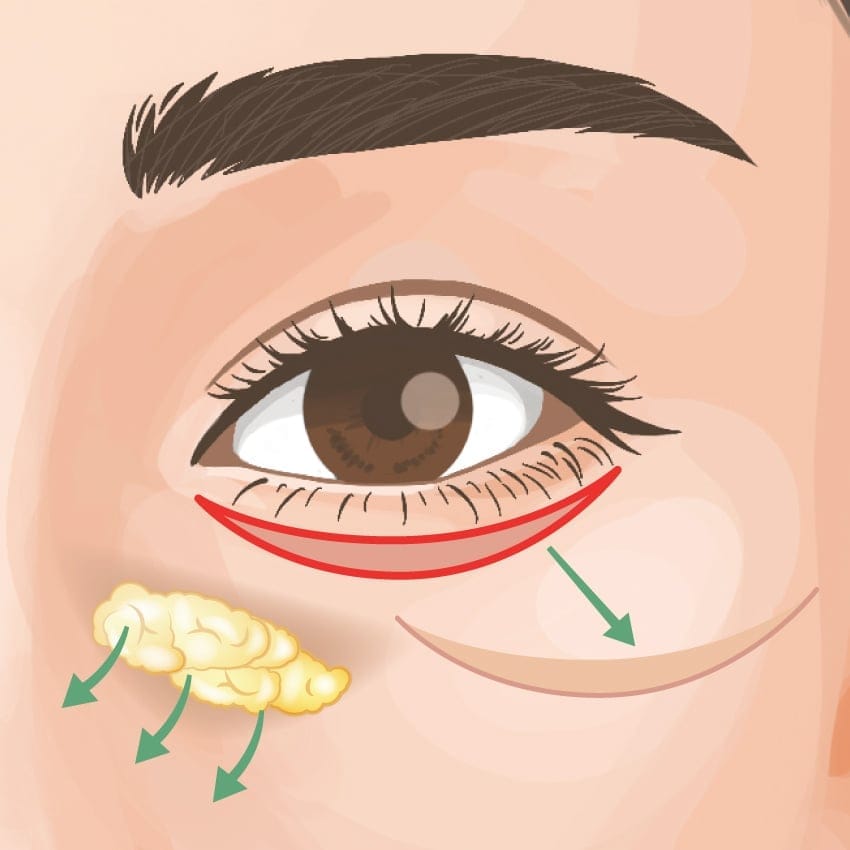
The procedure is planned according to the patient's lower eyelid anatomy, the degree of orbital fat protrusion, skin laxity, and the appearance of the tear trough region.
Tear trough lower blepharoplasty may be considered when tear trough deformity is accompanied by prominent lower eyelid fat or skin laxity. The surgical plan varies according to individual anatomy and may involve different approaches.
Point 2: The procedure is designed to address the contour between the lower eyelid and cheek, which can contribute to the appearance of tear trough hollows and shadows.
Point 3: Skin laxity, orbital fat protrusion, lower eyelid structure, and the desired degree of correction are assessed before surgery. Swelling and bruising are possible after lower blepharoplasty, and recovery varies between individuals.
-Those concerned about lower eyelid fat protrusion and shadowing beneath the eyes.
-Those with lower eyelid skin laxity that contributes to their tear trough appearance.
-Those considering tear trough surgery after an assessment of their lower eyelid anatomy.
-Those who would like to discuss Hamra lower blepharoplasty with a plastic surgeon in Tokyo.
FACIAL FAT GRAFTING
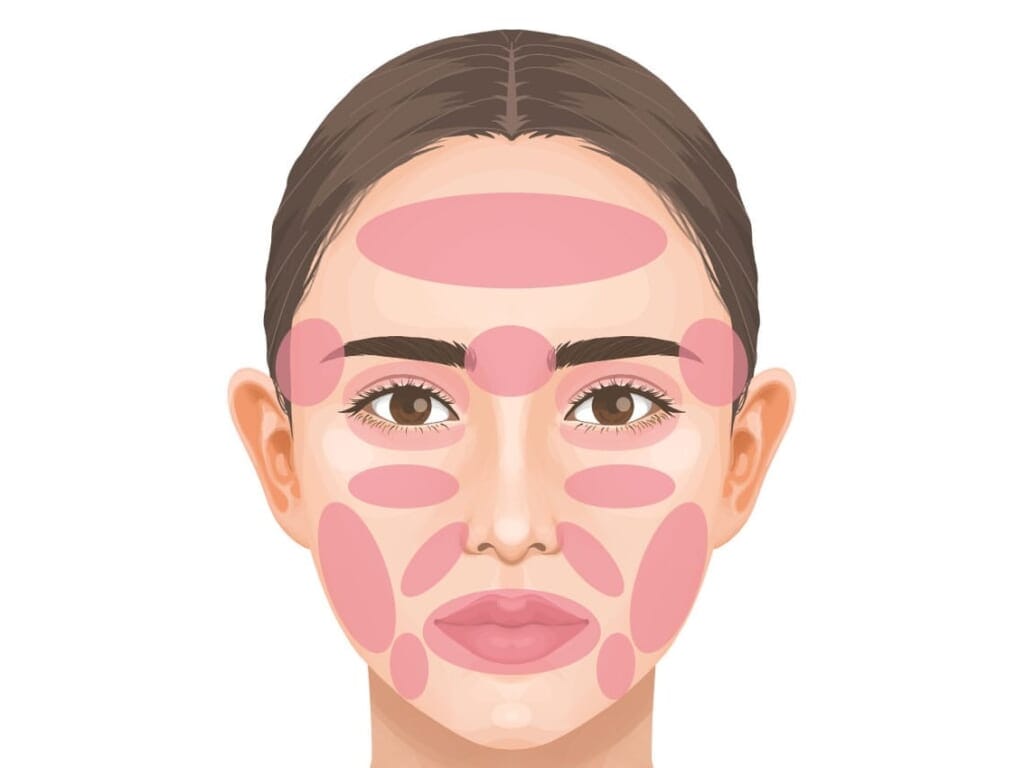
For tear trough concerns, facial fat grafting may be used to restore soft-tissue volume in selected areas around the lower eyelid and cheek. The amount and placement of grafted fat are determined according to individual anatomy.
Autologous fat can provide soft-tissue volume using tissue obtained from the patient's own body. Because graft retention varies between individuals, the final appearance and degree of volume retention cannot be guaranteed.
Point 2: Fat grafting may be planned for the under-eye area, mid-cheek, or other facial areas when volume restoration is considered appropriate.
Point 3: The amount of tissue harvested, processing method, injection volume, and treatment location are determined according to the patient's anatomy and treatment goals.
-Those who would like to discuss tear trough fat transfer using their own adipose tissue.
-Those who have volume concerns extending from the under-eye area toward the mid-cheek.
-Those seeking an autologous approach to facial volume restoration.
-Those who understand that fat retention and the final appearance can vary between individuals.
Treatment Process
Initial Consultation and Medical Assessment
Personalized Treatment Planning
Treatment or Procedure
Post-Treatment Care and Follow-Up
FAQ
What is a tear trough deformity?
A tear trough deformity is a depression or contour change along the lower eyelid–cheek junction that can create a visible shadow beneath the eyes. Its appearance may be influenced by anatomy, age-related changes in soft-tissue volume, orbital fat protrusion, skin characteristics, and changes in the mid-face.
What causes tear trough hollows?
Tear trough hollows can have several contributing factors rather than one single cause. Anatomical differences, changes in soft-tissue volume, orbital fat protrusion, lower eyelid skin characteristics, and age-related changes around the mid-face may all contribute to the appearance of the groove.
What is tear trough treatment?
Tear trough treatment refers to procedures intended to address the appearance of hollows, shadows, eye bags, or other contour changes beneath the eyes. Depending on the patient’s anatomy, treatment may include injectable procedures such as tear trough filler or collagen injections, or procedures such as tear trough lower blepharoplasty and facial fat grafting.
How long does tear trough filler last?
The duration of tear trough filler varies according to the filler product, treatment area, amount injected, and individual response. BIANCA CLINIC states that hyaluronic acid fillers generally last approximately 6 months to 2 years depending on the product and treatment area, but the duration for an individual tear trough treatment cannot be guaranteed.
What are the main tear trough filler risks?
Tear trough filler risks include swelling, bruising, redness, tenderness, contour irregularities, discoloration, and, less commonly, vascular complications. Migration and a Tyndall-type bluish discoloration have also been reported with periocular hyaluronic acid fillers. Because the periorbital region contains important vessels, appropriate anatomical assessment and injection technique are important.
Can tear trough filler be dissolved?
Hyaluronic acid tear trough filler can generally be treated with hyaluronidase when dissolution is clinically appropriate. Hyaluronidase can be used to break down hyaluronic acid filler in cases such as overcorrection or migration, although the response varies and treatment should be determined by a physician.
What is tear trough filler cost in Tokyo?
Tear trough filler cost varies depending on the filler product, treatment area, amount required, and individual treatment plan. For the latest information on filler prices, treatment fees, and any applicable additional charges, please refer to the official BIANCA CLINIC price list. Prices are subject to change.
When may tear trough lower blepharoplasty be considered?
Tear trough lower blepharoplasty may be considered when tear trough concerns are accompanied by prominent lower eyelid fat, eye bags, or skin laxity. Hamra lower blepharoplasty involves repositioning orbital fat toward areas of depression, and the appropriate surgical approach depends on the patient’s individual lower eyelid anatomy.
What is tear trough fat grafting?
Tear trough fat grafting is a procedure that transfers the patient’s own processed adipose tissue to selected areas around the under-eye or mid-face. It may be considered when soft-tissue volume restoration is part of the treatment goal. Fat retention varies between individuals, so the final amount of retained volume cannot be predicted with certainty.
Can PRP, PRF, Juvelook, or polynucleotides be used for tear trough concerns?
Regenerative and skin-booster treatments may be considered for selected under-eye concerns, depending on the patient’s skin condition and treatment goals. BIANCA CLINIC offers treatments including tear trough PRP, tear trough PRF/eZ GEL, tear trough Juvelook, and polynucleotide-related skin treatments as part of its broader injectable and regenerative treatment menu. These treatments should be selected based on the specific cause of the under-eye concern rather than assuming that one treatment is appropriate for every tear trough.