



DIASTASIS RECTI
- Point 1 : 01 Diastasis recti is a separation of the rectus abdominis muscles along the linea alba, commonly caused by pregnancy, weight changes, or increased abdominal pressure.
- Point 2 : 02 While mild cases may improve with targeted physical therapy and core exercises, moderate to severe diastasis recti often requires surgical repair, such as a tummy tuck with muscle plication, for lasting correction.
- Point 3 : 03 At BIANCA CLINIC, we offer personalized diastasis recti treatment plans—including tummy tucks, EMSCULPT® for core strengthening, and comprehensive mommy makeover procedures—designed to help restore your abdominal contour with natural, balanced results.
Recommended for
- Those who notice a visible bulge or doming along the midline of the abdomen, especially after pregnancy or weight changes.
- Those who have tried diastasis recti exercises or physical therapy but still experience abdominal separation or weakness.
- Those seeking a diastasis recti specialist in Tokyo, Japan, with English-speaking consultation and aftercare support.
Treatment Area
TUMMY TUCK
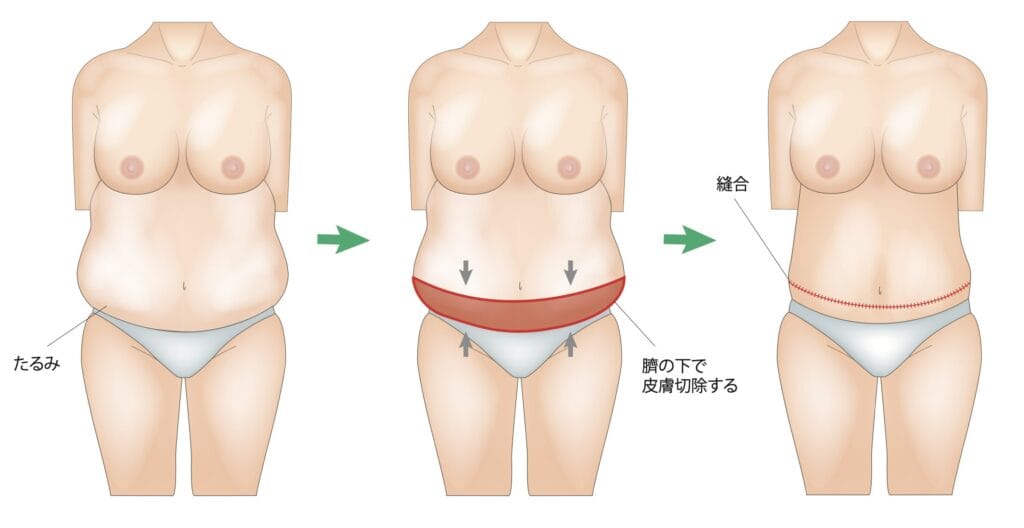
We prioritize refined scar placement designed to remain discreet beneath low-cut garments, delivering a flatter, stronger, and naturally balanced abdominal appearance supported by personalized, English-speaking care throughout your surgical journey.
For diastasis recti, the procedure includes rectus plication—suturing the separated muscles together—to help restore core strength and refine the abdominal contour.
Point 2: Removes excess skin and fat that cannot be fully addressed through diet or exercise alone.
Point 3: Designed to provide long-lasting results, though individual outcomes may vary depending on lifestyle and post-procedure care.
-Those who seek diastasis recti repair surgery with simultaneous skin and fat removal.
-Those who have completed childbirth and desire a flatter, stronger abdomen.
-Those who understand that recovery involves several weeks of limited activity and compression garment use.
-Those seeking natural, balanced abdominal contours after diastasis recti repair.
-Those who are at a stable weight and in good overall health for surgical safety.
EMSCULPT® BODY SCULPTING
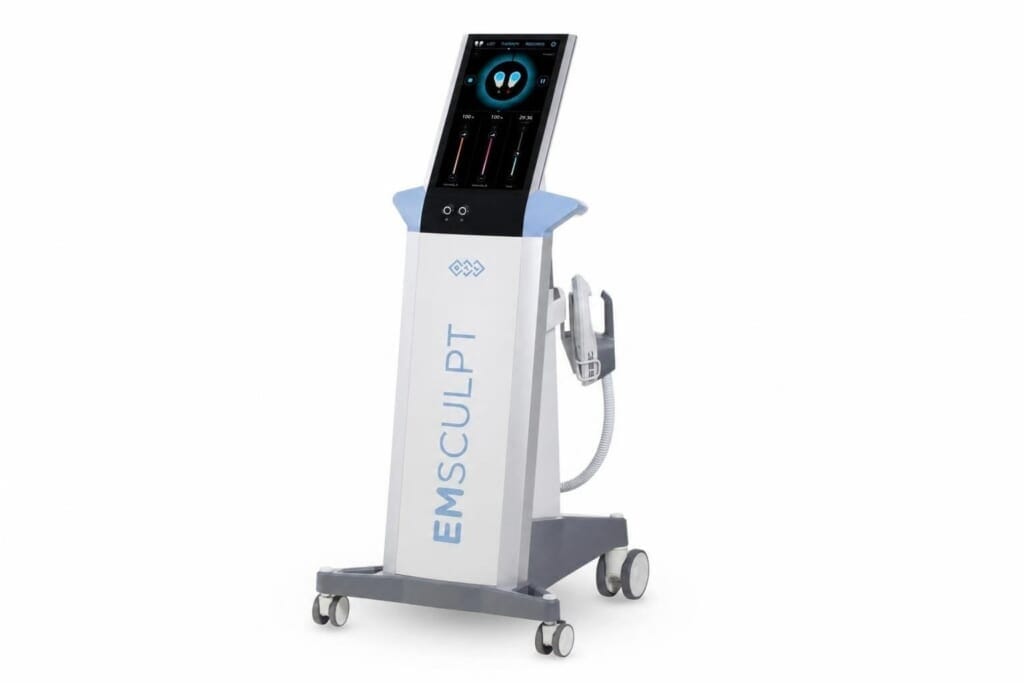
Designed to support core stability and a more defined appearance without surgical incisions, while remaining mindful of physical strain, our skilled staff fine-tunes treatment parameters and session schedules to help you achieve functional, well-balanced body contours.
For diastasis recti, EMSCULPT® helps target deep core muscles, including the transverse abdominis, to support core conditioning, though it does not surgically close or suture large muscle gaps.
Point 2: Non-surgical with no downtime, suitable for those seeking non-surgical options for diastasis recti.
Point 3: Helps improve core strength and abdominal definition when combined with targeted exercise regimens.
-Those who seek non-invasive diastasis recti treatment with minimal interruption to daily life.
-Those who prefer diastasis recti repair without surgery as a first-line approach.
-Those who want to complement physical therapy with medical-grade muscle stimulation.
-Those who understand that EMSCULPT® supports muscle tone but does not surgically stitch large muscle gaps.
-Those who are comfortable with a series of sessions for optimal core strengthening results.
MOMMY MAKEOVER

By combining surgical expertise with meticulous aesthetic planning, our team focuses on achieving elegant, proportionate results while minimizing overall downtime, ensuring international patients receive smooth, reassuring support from initial consultation to final recovery.
For diastasis recti, it often includes a tummy tuck with muscle repair as a primary component, alongside liposuction or breast procedures tailored to individual needs.
Point 2: Addresses diastasis recti along with other post-pregnancy concerns for comprehensive restoration.
Point 3: Features a customized treatment plan tailored to your body's unique anatomical goals and lifestyle.
-Those who seek diastasis recti correction surgery as part of a full-body restoration plan.
-Those who want to address multiple areas efficiently with a streamlined recovery period.
-Those who have completed childbirth and are at a stable weight for safe surgery.
-Those who desire natural, harmonious body contours following postpartum treatments.
-Those who understand that a mommy makeover involves several weeks of recovery and aftercare commitment.
Treatment Process
Consultation & Examination
Treatment
Aftercare
FAQ
What is diastasis recti?
Diastasis recti is a condition where the rectus abdominis muscles separate along the linea alba, creating a visible bulge or gap in the midline of the abdomen.
What causes diastasis recti?
The main causes include pregnancy, rapid weight changes, obesity, heavy lifting, or improper exercise techniques that increase intra-abdominal pressure and stretch the connective tissue.
How do I know if I have diastasis recti?
Common signs include a visible bulge or doming along the midline, especially when contracting your abs, and a gap of two or more finger-widths between the muscles during a self-check.
Can diastasis recti be fixed without surgery?
Mild cases may improve with targeted diastasis recti physical therapy and core exercises, but moderate to severe separation often requires surgical repair for lasting correction.
What is the difference between diastasis recti and a hernia?
Diastasis recti involves muscle separation without a tear or hole in the abdominal tissue, while a hernia occurs when organs or tissue push through a weakness in the abdominal wall; both conditions can coexist.
How is diastasis recti diagnosed?
Diagnosis typically involves a physical examination to evaluate muscle separation, along with medical imaging such as ultrasound when necessary to measure the gap and assess overall severity.
What is the recovery time and scar placement for diastasis recti surgery?
Most patients return to light activities within 2 to 3 weeks, with full exercise resuming around 6 to 8 weeks. The diastasis recti surgery scar is strategically placed low along the bikini line so it can be easily concealed under swimwear or underwear.
Can men get diastasis recti?
Yes. While more common in women after pregnancy, men can develop diastasis recti due to weight fluctuation, heavy lifting, or improper exercise techniques.
Does diastasis recti go away after pregnancy?
While some natural improvement may occur during the initial postpartum period, persistent muscle separation often remains over time and typically requires targeted medical treatment.
Is diastasis recti surgery covered by insurance?
Diastasis recti repair is typically considered a cosmetic procedure and is not covered by Japanese national health insurance unless accompanied by a medically necessary hernia repair.