



JOWLS
- Point 1 : 01 Address sagging jowls caused by natural aging, collagen decline, and loss of jawline support.
- Point 2 : 02 Effective jowl tightening and contouring for the cheeks, jawline, chin, and neck.
-
Point 3 :
03
Medical guidance to help select surgical or non-surgical treatment for a natural, refined profile.
Recommended for
- -Those who notice sagging along the cheeks and jawline that blurs the line between the face and neck
- -Those who are troubled by jowls appearing around the mouth and chin earlier than expected, even in their 30s or 40s
- -Those who want to address sagging jowls with an approach suited to their skin, whether surgical or non-surgical
Treatment Area
Deep Plane Facelift
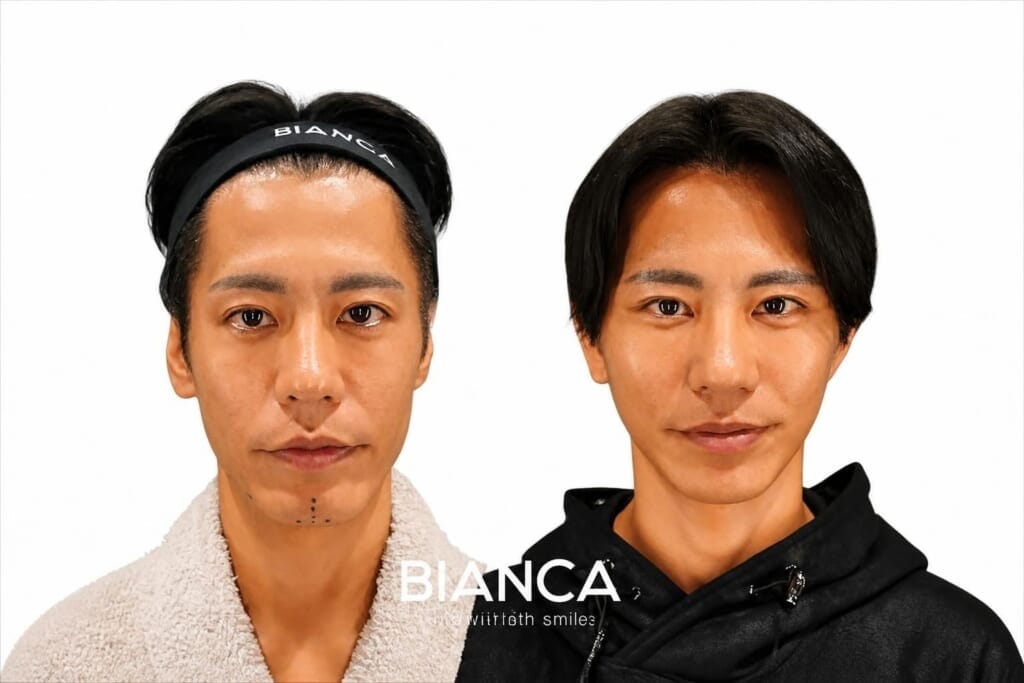
The Deep Plane Facelift directly addresses the SMAS and the facial ligaments beneath the skin, releasing and repositioning these deeper tissues to help address sagging jowls at their structural foundation rather than simply pulling the skin's surface.
As facial ligaments stretch and relax with age, cheek and jowl tissue descends along the jawline and around the mouth; by releasing these supportive ligaments, the deeper tissue can be repositioned in an effort to provide refreshed support.
The procedure is designed to allow access to the SMAS layer around the nasolabial folds and jowl area through carefully placed incisions along the hairline, near the ears, and toward the lower hairline.
Both skin and SMAS are repositioned together to help support a smoothly contoured, natural-looking jawline.
Point 2: Designed to help refine the jawline extending toward the neck, working to improve the overall profile.
Point 3: Mindful of preserving natural facial expression while targeting sagging jowls at the deep tissue level.
-Those who want to avoid an unnatural, overly pulled appearance
-Those who are seeking a structural correction for jowls rather than a short-term temporary one
-Those who also wish to address nasolabial folds and midface sagging alongside their jowls
-Those who have tried thread lifts or non-surgical devices without achieving their desired result
-Those who want jawline correction combined with an overall refreshed facial appearance
EmbraceRF
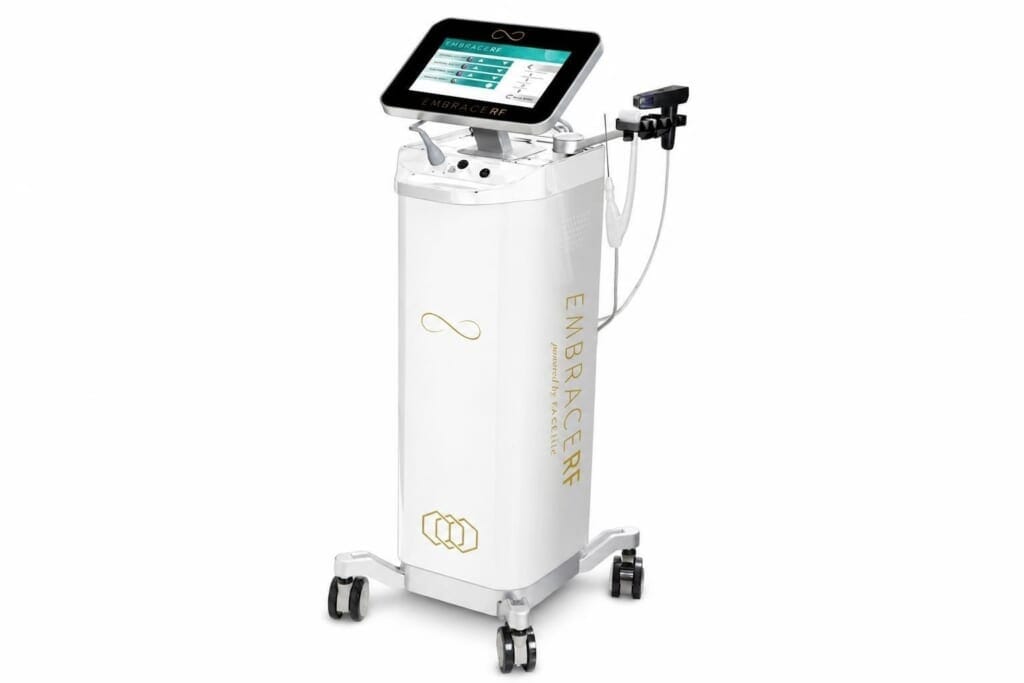
Point 2: Offers a non-surgical option for contouring the jowls, jawline, and chin without major facial surgical incisions.
Point 3: Helps encourage natural collagen production to support firmer skin alongside jowl tightening.
-Those who want to improve sagging jowls without undergoing full open surgery
-Those who have a fuller lower face contour they would like visually refined
-Those who want to reduce the appearance of a double chin alongside their jowls
-Those who prefer an advanced non-surgical tightening solution with durable results
-Those who want to address laxity along the neck as well as the lower face
Morpheus8 burst
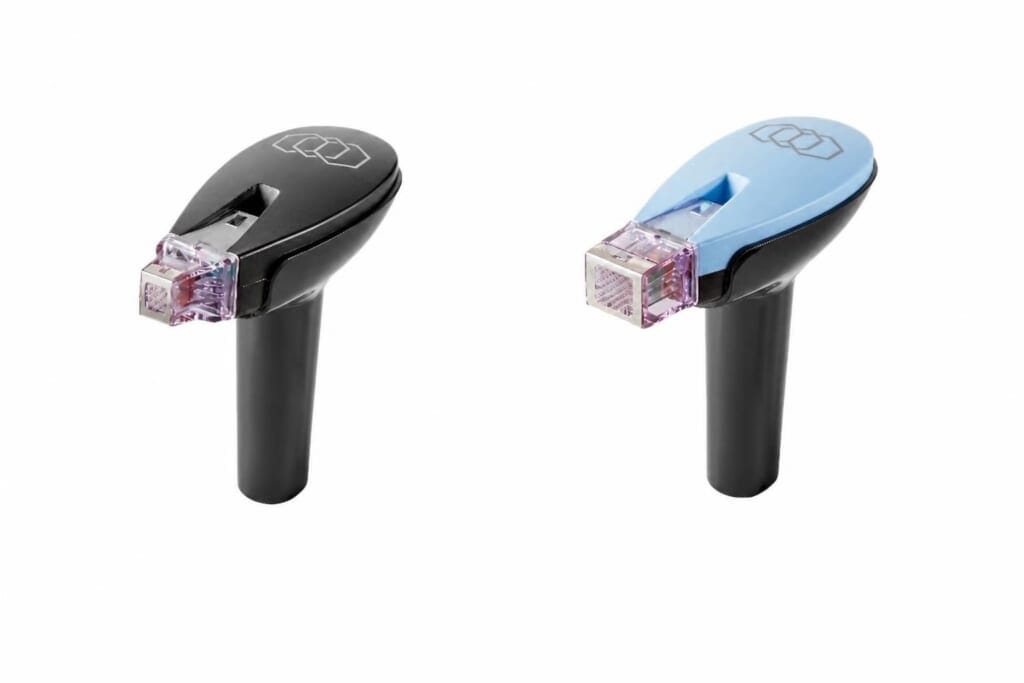
Morpheus8 burst utilizes fine microneedles to deliver fractional RF energy into the tissue, targeting from the subcutaneous layer to the skin's surface for multi-depth tightening.
The microneedles create controlled micro-channels while RF thermal energy is released from the tips, working to support collagen and elastin remodeling.
Because thermal energy can be distributed across customizable tissue depths, Morpheus8 burst is designed to help refine a softened jawline, soften the appearance of loose tissue around the mouth, and support enhanced skin firmness — often utilized as part of a comprehensive approach to lower face care.
Point 2: Targets multiple tissue depths from the subcutaneous layer to the surface for thorough tightening.
Point 3: Requires minimal downtime, with a treatment session typically lasting around 20 to 30 minutes.
-Those who want a more defined jawline contour without undergoing traditional surgery
-Those who feel their jowls or the skin around their chin and neck has become loose over time
-Those who are also bothered by enlarged pores or uneven skin texture in the lower face
-Those who want firmer, more resilient skin surrounding the jowls and jawline
-Those who prefer a treatment that can be repeated periodically for progressive improvement
HIFU (High-Intensity Focused Ultrasound)
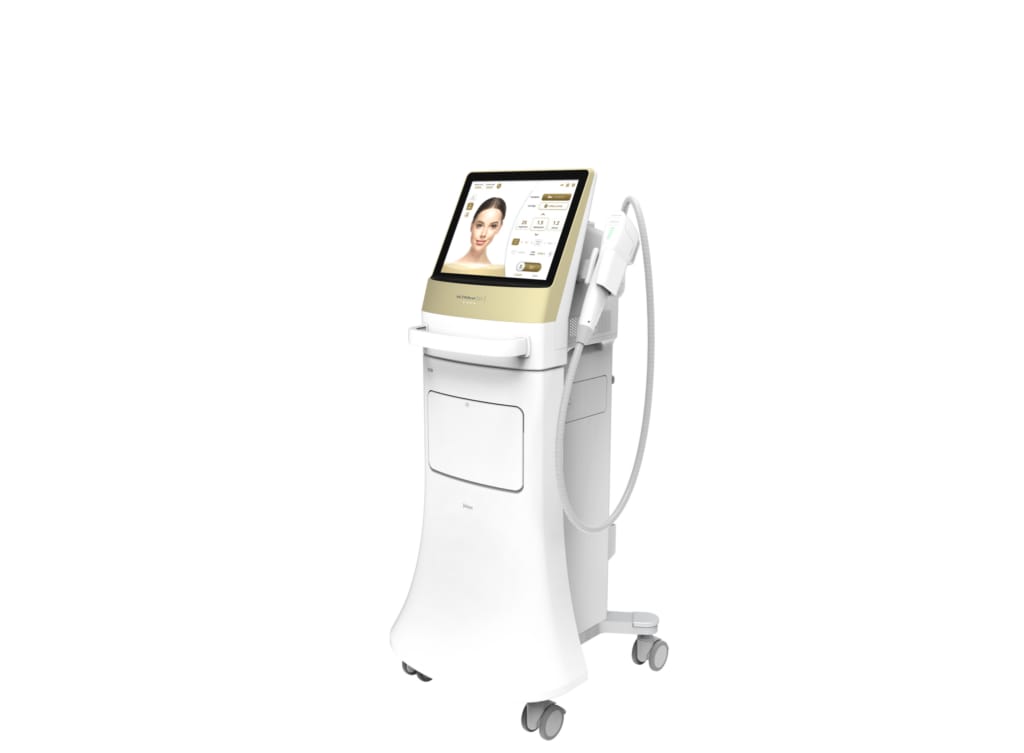
BIANCA CLINIC utilizes an advanced model in the ULTRAcel series (such as ULTRAcel Zi®), featuring high-speed dual-directional ultrasound delivery to address sagging cheeks, jowls, and the area under the chin.
Advanced systems offer Dot Mode for precise focal heating in areas like the jowls and cheeks, and Linear Mode for broader bulk heating suited to contouring the jawline and addressing fullness under the chin.
As thermal stimulation occurs, collagen remodeling is encouraged, supporting a gradually firmer jawline and reduced appearance of jowl laxity in the following weeks.
Point 2: Dual treatment modes allow custom care for both localized laxity and focal tissue volume.
Point 3: Minimal downtime, with routine daily activities usually resuming immediately after treatment.
-Those who are concerned about a softening jawline or chin profile
-Those who want to soften the appearance of marionette lines near the jowl area
-Those who want to address jowls in conjunction with under-chin fullness
-Those who want to improve skin firmness and texture while addressing lower face sagging
-Those who prefer a non-invasive treatment with little to no disruption to their routine
Treatment Process
Consultation & Examination
Treatment
Aftercare
FAQ
What causes jowls?
Jowls are primarily caused by the natural loss of collagen and elastin with age, combined with gradual loosening of the SMAS layer and facial ligaments that hold cheek and jawline tissue in place.
Genetics, past weight fluctuation, and cumulative sun exposure can also contribute to how early and how visibly jowls appear.
At what age do jowls typically start to appear?
Jowls can begin to appear in the late 20s or 30s for some individuals, particularly where genetics or previous weight loss play a role, while for many people they become more noticeable in the 40s and 50s as collagen decline and ligament laxity accumulate.
The age of onset varies widely from person to person.
Can Botox cause or worsen jowls?
Jowls after Botox are occasionally reported, particularly following masseter Botox, because relaxing the jaw muscle can shift how the lower face is visually supported.
This effect tends to be temporary and dose-related, so discussing your facial anatomy and injection plan with your doctor beforehand helps support a more tailored injection approach.
Do jowls affect men and women differently?
Yes. Jowls in men often present as a heavier contour along the jawline due to thicker skin and stronger underlying muscle, while jowls in women may involve softer tissue descent that also affects the cheeks and nasolabial folds.
Treatment approaches are adjusted accordingly.
What non-surgical treatments can help with jowls?
Non-surgical options for jowls include EmbraceRF, Morpheus8 burst, and HIFU, each of which applies radiofrequency or ultrasound energy to encourage skin tightening and support the jawline without surgical incisions.
The right option depends on the degree of sagging and individual anatomical goals.
Is surgery necessary to correct jowls?
Not always. Mild to moderate jowls can often be addressed with non-surgical skin-tightening treatments, while more pronounced sagging that involves deeper structural descent may benefit from a Deep Plane Facelift for structural correction.
A consultation helps determine which approach fits your degree of laxity.
Can dermal fillers or Botox help with jowls?
Dermal fillers can help restore volume that has been lost from the cheeks or jawline, which may visually soften the appearance of jowls, while carefully placed Botox (sometimes referred to as a Nefertiti lift) can support the jawline contour in select cases.
These injectable approaches are typically most suitable for early-stage jowls and are best discussed individually with your physician.
What is the difference between HIFU and Morpheus8 for jowls?
HIFU uses focused ultrasound energy to reach the SMAS layer from the skin’s surface, offering a targeted lifting effect with minimal downtime, while Morpheus8 burst combines microneedling with radiofrequency to firm tissue from the subcutaneous layer to the skin’s surface.
Many patients combine complementary energy-based approaches for comprehensive jowl and jawline care.
When will results from jowl treatment appear, and how long do they last?
Non-surgical treatments such as HIFU or Morpheus8 burst typically show gradual improvement over several weeks to a few months as collagen remodels, with effects generally lasting for several months to a year depending on the individual and treatment type.
Surgical approaches, such as a Deep Plane Facelift, aim to deliver more long-lasting structural correction.
How can I help prevent jowls from becoming more pronounced?
While natural aging continues, consistent sun protection, avoiding significant weight fluctuation, and maintaining skin elasticity through periodic energy-based treatments may help slow the visible progression of jowls.
Early, minimally invasive care can also help maintain jawline definition over time.