



KERATOSIS PILARIS
- Point 1 : 01 Address concerns such as rough texture, keratin plugs, redness, dryness, and small bumps associated with keratosis pilaris.
- Point 2 : 02 Consider the characteristics of each treatment area, from the arms and legs to the face, cheeks, neck, or body.
- Point 3 : 03 A doctor's consultation helps determine which treatment approach — which may include chemical peels, Dermapen® microneedling, laser hair removal, HydraFacial®, or another option suited to your skin — is appropriate for your condition.
Recommended for
- Those who are concerned about keratosis pilaris on the upper arms, thighs, legs, cheeks, or other areas of the body
- Those who notice small red bumps, white bumps, roughness, dryness, or redness associated with keratosis pilaris
- Those who want to discuss medical treatment options for keratosis pilaris with a doctor before choosing a procedure
Treatment Area
CHEMICAL PEELS

The Professional Peel combines glycolic acid, lactic acid, and salicylic acid — ingredients commonly used for exfoliation and skin texture care — though the suitable peel and strength must be determined by a doctor.
A doctor can discuss whether a peel formulated with glycolic acid or salicylic acid would suit skin affected by keratosis pilaris, considering roughness, uneven texture, dullness, or discoloration as factors. It is not a guaranteed removal treatment for keratosis pilaris, and it should not be used on inflamed, damaged, or infected skin unless specifically approved by a doctor.
Point 2: The Professional Peel includes glycolic acid, lactic acid, and salicylic acid.
Point 3: The treatment may be considered for roughness, uneven texture, dullness, or pigmentation associated with individual skin concerns.
-Those who have keratosis pilaris–like bumps on areas listed as suitable for chemical peeling
-Those who want to discuss glycolic acid or salicylic acid exfoliation with a doctor
-Those who are concerned about dryness, dullness, or uneven tone alongside rough texture
-Those who prefer a treatment plan selected according to their skin sensitivity
Dermapen® MICRONEEDLING
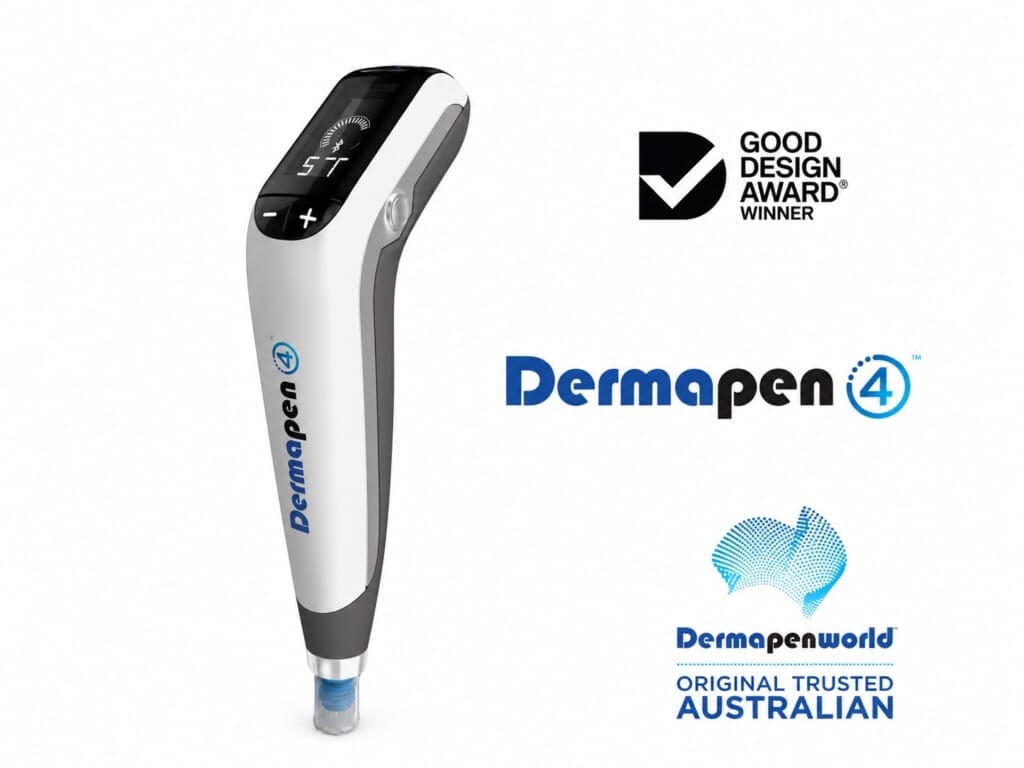
BIANCA CLINIC describes the treatment as supporting skin texture improvement, pore care, collagen production, and the absorption of selected active ingredients, with VISIA® skin analysis used to support personalized treatment planning.
A doctor should first assess whether the skin is suitable for a procedure involving controlled needle penetration; it may be unsuitable when the area has active inflammation, infection, open wounds, or significant irritation, so treatment is planned according to the affected area and the condition of the skin on the day of consultation.
Point 2: BIANCA CLINIC uses VISIA® skin analysis as part of personalized treatment planning.
Point 3: The treatment may be considered for overall texture concerns or residual marks, rather than as a guaranteed treatment for the keratin plug itself.
-Those who have residual marks or uneven tone after irritation or picking
-Those who are interested in a personalized procedure based on skin analysis
-Those who are concerned about texture on areas listed by BIANCA CLINIC, such as the face, neck, décolleté, buttocks, or backs of the hands
-Those who are looking for a treatment that can be combined with other keratosis pilaris care for overall skin quality improvement
LASER HAIR REMOVAL
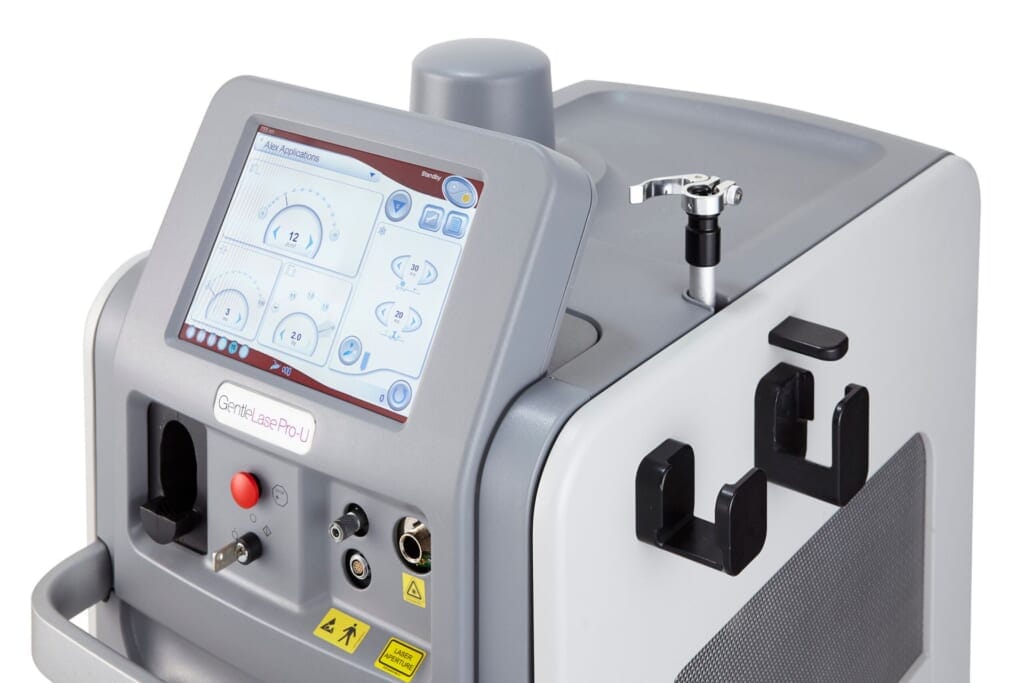
The treatment uses laser energy that reacts with melanin in the hair to reduce regrowth, with cooling functions and optional pain management measures available.
It does not directly remove the keratin plug that causes keratosis pilaris, but it may be relevant to people whose skin becomes irritated after hair removal or who experience ingrown hairs, since reducing repeated follicle level friction can help keep the surrounding skin calmer over time.
Point 2: The treatment uses medical laser devices and includes a cooling function to help manage discomfort.
Point 3: BIANCA CLINIC lists the face, nape, underarms, and upper back as treatment areas; other areas should be confirmed before booking.
-Those who are concerned about unwanted hair in a treatment area listed by BIANCA CLINIC
-Those who have ingrown hairs or repeated friction related to hair removal
-Those who are looking for a medical approach to reduce unwanted hair growth
-Those who are interested in reducing follicle level irritation as part of an overall skin care plan
HydraFacial®
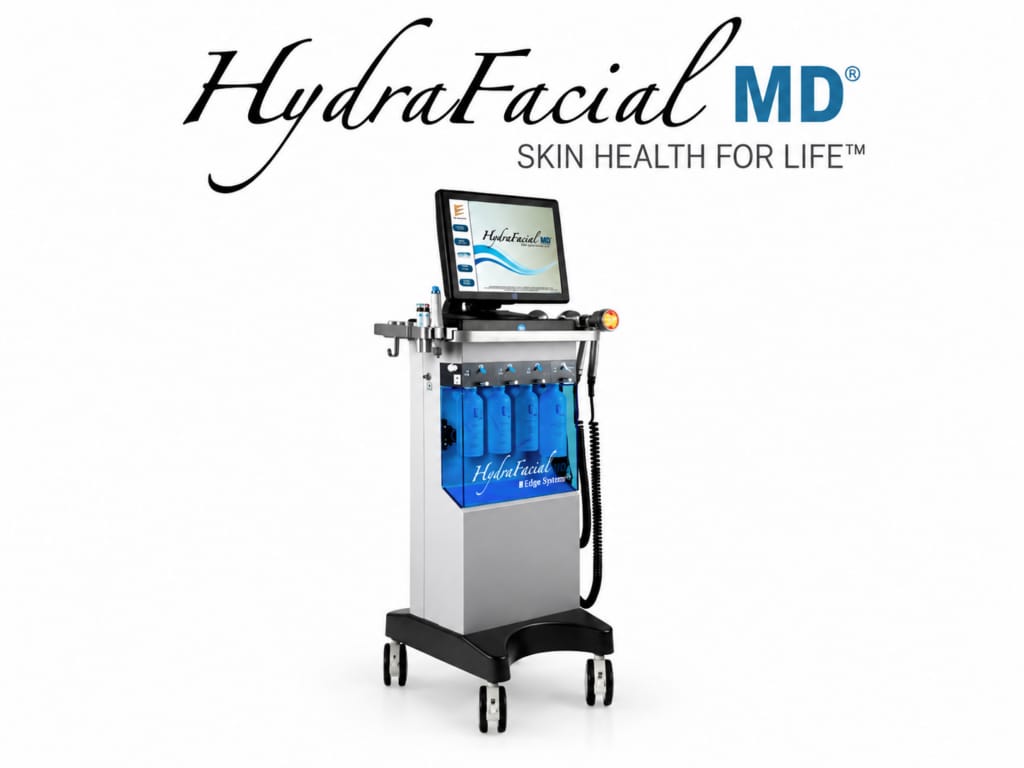
BIANCA CLINIC offers tailored treatment options for various areas, including the full face, nose and cheeks, underarms, and neck.
It is not a dedicated treatment for keratosis pilaris and does not guarantee permanent removal of keratin plugs, but for keratosis pilaris on the face, cheeks, or neck — where a doctor determines the treatment is suitable — its gentler exfoliation can be a comfortable starting point, since facial bumps can have several causes and benefit from medical assessment first.
Point 2: The treatment may be considered for surface roughness, dryness, dullness, or impurities, depending on the skin condition.
Point 3: Treatments at BIANCA CLINIC typically involve minimal downtime, though temporary redness, stinging, dryness, or other mild skin reactions may occur.
-Those who have keratosis pilaris–like texture on a treatment area listed by BIANCA CLINIC
-Those who are interested in a gentle professional exfoliation option
-Those who are concerned about keratosis pilaris on the face, cheeks, or neck and want a doctor's assessment first
-Those who prefer a treatment combining cleansing, exfoliation, extraction, and hydration
Treatment Process
Consultation & Skin Assessment
Treatment
Aftercare
FAQ
What causes keratosis pilaris?
Keratosis pilaris is associated with the buildup of keratin and dead skin cells around hair follicles. It also has a genetic component and may run in families. The condition is not contagious and is not caused by poor hygiene.
What does keratosis pilaris look like?
It usually appears as small, rough bumps around hair follicles. The bumps may be skin colored, white, pink, or red and may occur with dryness or mild itchiness. The appearance differs depending on the area and individual skin tone.
Where does keratosis pilaris usually appear?
Keratosis pilaris commonly appears on the upper arms and thighs. It may also appear on the forearms, shoulders, face, cheeks, forehead, jawline, neck, back, chest, stomach, knees, legs, and buttocks. However, several other skin conditions can resemble keratosis pilaris, so a diagnosis should not be made from appearance alone.
Is there a permanent treatment or cure for keratosis pilaris?
There is no guaranteed permanent cure for keratosis pilaris. Treatment and skincare may help reduce the appearance of bumps, roughness, redness, and dryness, but maintenance is often needed.
How can I reduce keratosis pilaris on my arms?
Gentle skincare, regular moisturizing, and ingredients such as lactic acid, salicylic acid, urea, or topical retinoids may be considered depending on your skin condition. Avoid vigorous scrubbing or picking, which may increase irritation and the risk of marks. A doctor can discuss whether a chemical peel or another procedure is appropriate for your skin.
Can keratosis pilaris affect the face?
Keratosis pilaris can appear on the cheeks, forehead, or jawline, though facial bumps can also have other causes and should be assessed by a doctor. Keratosis pilaris does not typically affect the delicate under-eye area. Any skin concerns or potential procedures near the eyes require precise medical evaluation and should never be attempted without professional guidance.
Can chemical peels help keratosis pilaris?
Chemical peels use exfoliating ingredients and may be considered for rough or uneven skin texture. BIANCA CLINIC offers several peels, including a Professional Peel containing glycolic acid, lactic acid, and salicylic acid. The appropriate peel and intensity depend on your skin condition, and a chemical peel is not guaranteed to remove keratosis pilaris permanently.
Is Dermapen® microneedling a treatment for keratosis pilaris?
Dermapen® microneedling is designed to improve skin texture and support the absorption of selected active ingredients, and BIANCA CLINIC uses VISIA® skin analysis as part of personalized treatment planning. Whether microneedling is appropriate for keratosis pilaris depends on the affected area, current inflammation, skin sensitivity, and the doctor’s assessment.
Can laser hair removal help keratosis pilaris?
Laser hair removal is designed to reduce unwanted hair growth, and BIANCA CLINIC’s Laser Hair Removal is not intended to treat the bumps or redness of keratosis pilaris directly. It may still be worth discussing when repeated shaving or plucking causes irritation or contributes to ingrown hairs, since reducing that friction can help keep the surrounding area calmer. BIANCA CLINIC offers laser hair removal for treatment areas including the face, nape, underarms, and upper back.
Does keratosis pilaris go away with age?
Keratosis pilaris may become less noticeable during adulthood, but this is not the same for everyone. Some adults continue to experience visible bumps in their 20s, 30s, or 40s and beyond. Dry weather, irritation, and individual skin characteristics may affect how noticeable it becomes.