


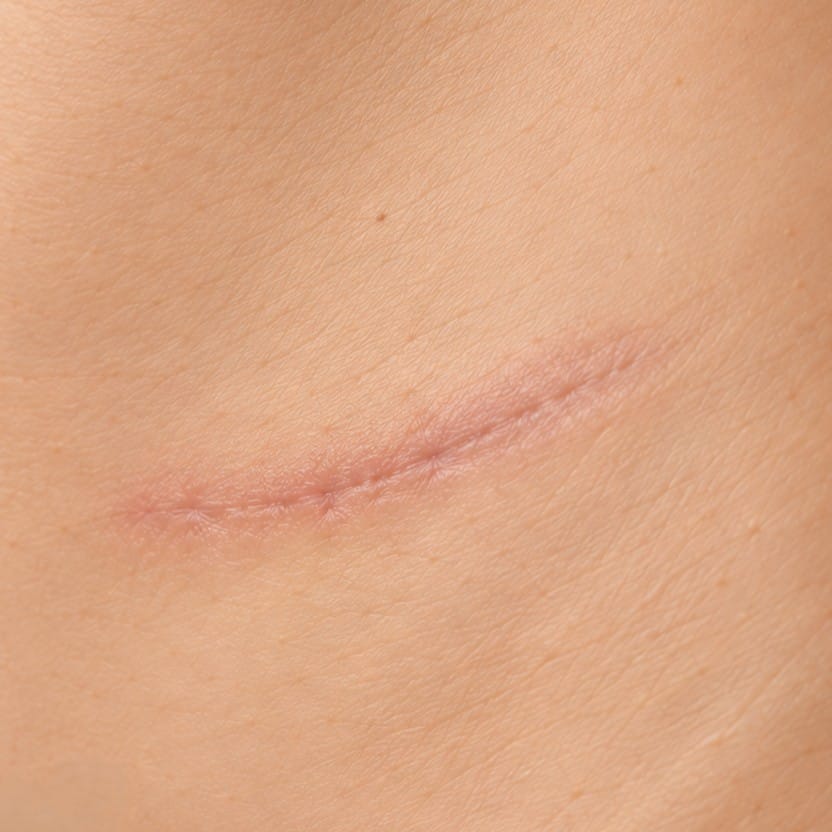
SURGICAL SCARS
- Point 1 : 01 Surgical scars can become hypertrophic, atrophic, or keloid-like, with widening, puckering, or discoloration that may change as the scar continues to mature.
- Point 2 : 02 From hyperpigmentation and erythema to raised or firm scar tissue, the ideal approach depends on the scar's age, type, and depth.
- Point 3 : 03 While scars gradually soften over time, professional treatment can help improve skin texture, blend discoloration, and create a smoother overall appearance.
Recommended for
- Those who are concerned about surgical scars on the face, chest, abdomen, or neck that have become raised, widened, or discolored over time.
- Those who have noticed a surgical scar tissue lump, nodule, or puckering months after surgery and want a professional opinion on treatment options.
- Those who are researching surgical scar revision or surgical scar removal near me and prefer a medically guided, discreet approach in Tokyo.
Treatment Area
SCAR REMOVAL
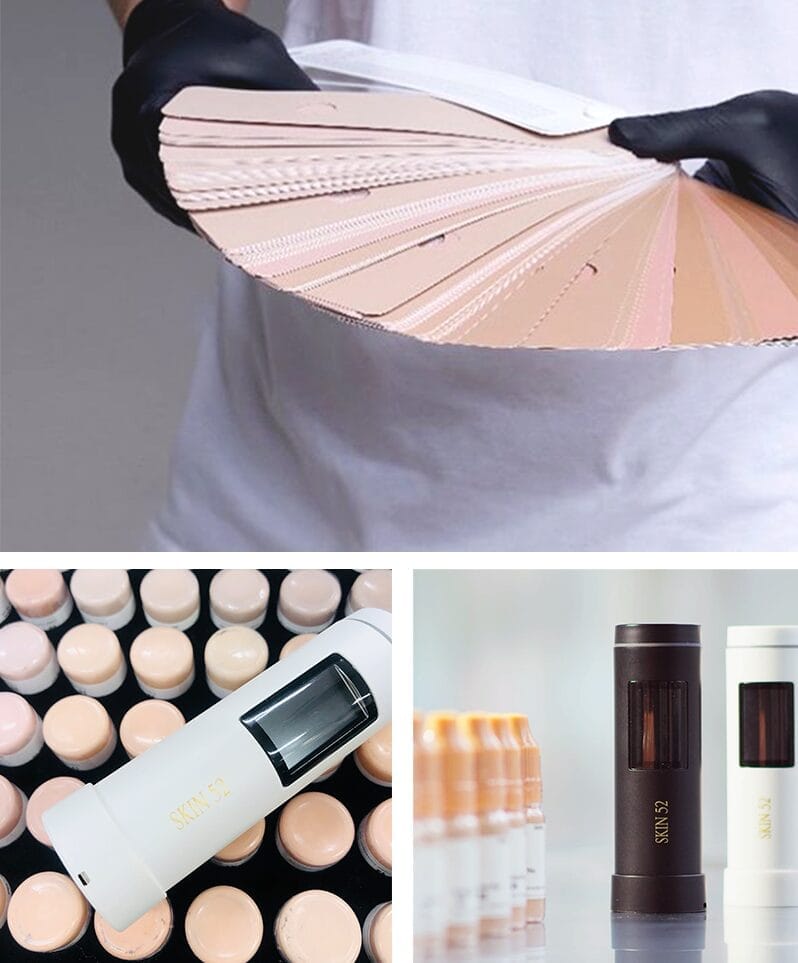
Using an AI-matched pigment system, it is often the finishing step once a scar has stabilized and any raised texture has already been addressed.
This treatment is designed to address persistent post-surgical hyperpigmentation, purplish tones, and visible color contrast. While it does not alter the physical texture of a scar, it visually unifies the skin tone, making it particularly suitable for scars on the face, chest, abdomen, or legs where color mismatch is the primary concern.
Point 2: The treatment is minimally invasive and typically performed without anesthesia, making it a comfortable option for softening a surgical scar's dark purple or reddish appearance.
Point 3: Results can appear natural and may last for approximately one to one and a half years, although the pigment gradually fades over time.
-Those who are concerned about surgical scar hyperpigmentation on the face, chest, abdomen, or other visible areas
-Those who have already tried laser or microneedling and want to address remaining color contrast
-Those who have a scar that is at least six months old and has stabilized enough for pigment blending
-Those who want to feel more at ease wearing clothing that reveals scars on the chest, abdomen, or knee
Morpheus8 burst
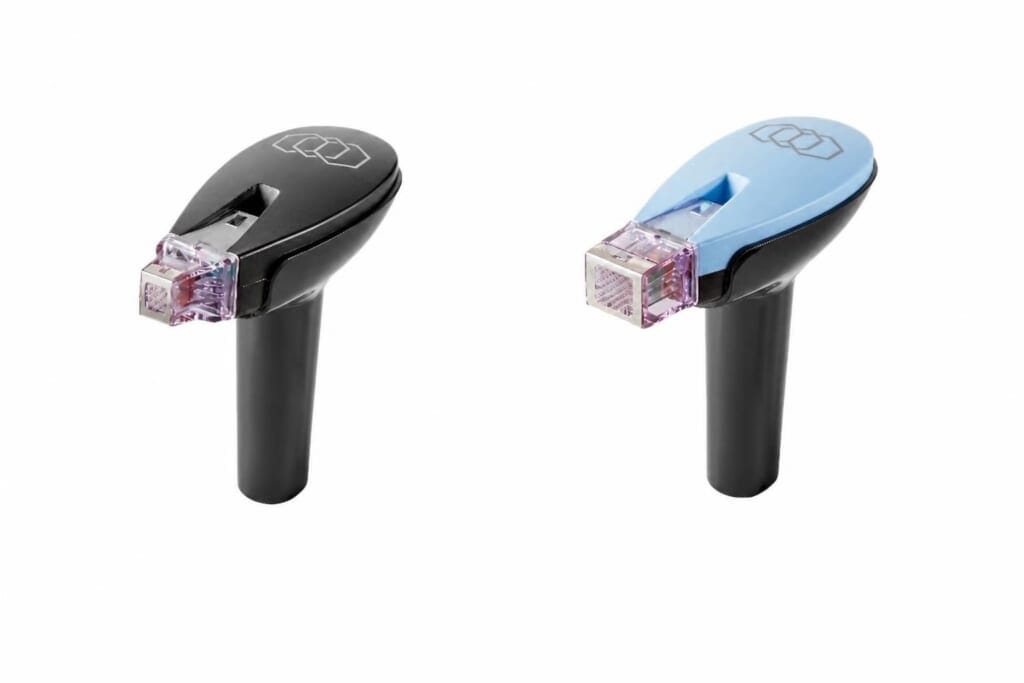
It's particularly suited to scars that have become hypertrophic, thickened, or bound to underlying tissue.
This adjustable-depth approach helps remodel a surgical scar's structure, softening surgical scar puckering, widening, or a lumpy, nodular texture while stimulating the body's own collagen and elastin production.
Point 2: Downtime of roughly a week makes it practical for treating surgical scars on the face, neck, abdomen, or knee without a lengthy recovery.
Point 3: Encourages the skin's natural wound-healing response, gradually improving firmness, texture, and the quality of the skin surrounding the scar.
-Those who have noticed a surgical scar lump, nodule, or area of puckering that has not softened on its own
-Those who want to improve the appearance of surgical scars on the abdomen, chest, knee, or neck without further surgery
-Those who hope to improve overall skin texture and firmness around an older surgical scar
-Those who prefer a treatment with limited downtime that can be repeated across several sessions
-Those who are exploring further treatment options after the scar tissue has been addressed structurally
Dermapen® MICRONEEDLING
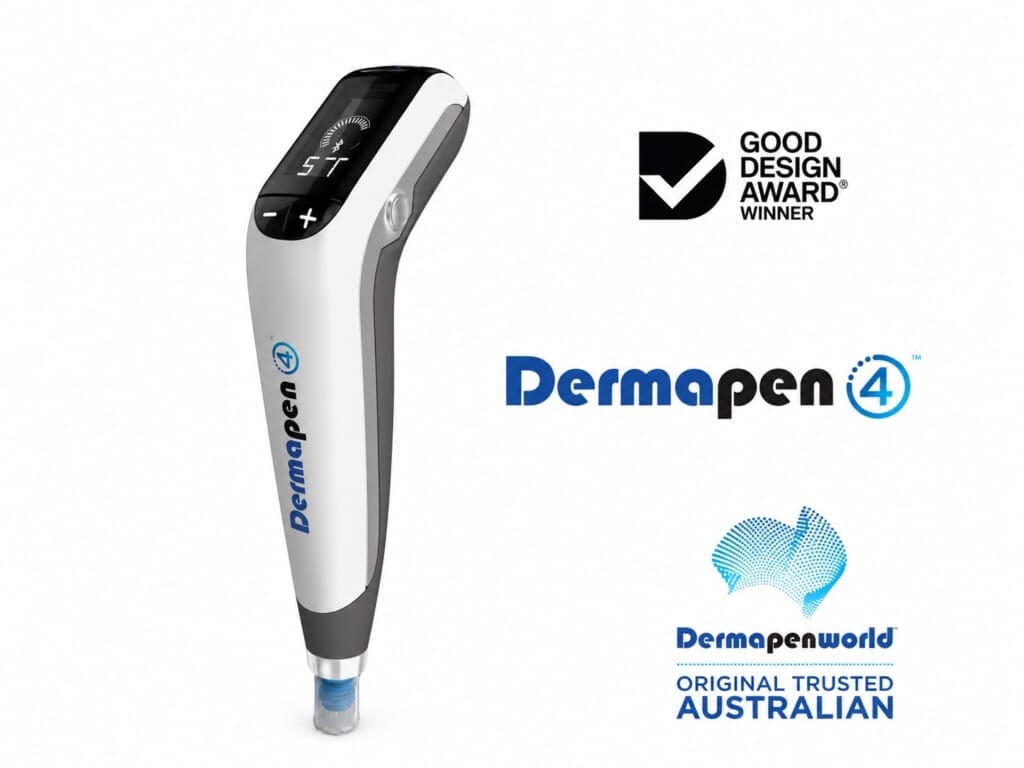
For surgical scars, it may be considered when the main concern is uneven or atrophic texture.
On a surgical scar, this can help refine an atrophic, sunken texture, smooth out bumpy or uneven areas, and support the fading of erythema over time. Because depth and add-on formulas are customizable, sessions can be adapted as the scar matures or for older scars that have settled but still show textural changes.
Point 2: Encourages natural collagen remodeling, gradually softening a surgical scar's edges and improving the overall evenness of the surrounding skin.
Point 3: Can be paired with brightening or hydrating formulas to support surgical scar hyperpigmentation and barrier recovery between sessions.
-Those who are concerned about an atrophic or sunken surgical scar on the face, neck, or décolletage
-Those who notice bumpy texture or fine surface irregularities after a wound has closed
-Those who want an approach that also improves the appearance of the skin surrounding the scar
-Those who prefer a gentle, adaptable treatment that can be scheduled at different points in the healing process
Treatment Process
Consultation & Examination
Treatment
Aftercare
FAQ
How long does it take for a surgical scar to fully heal?
Surgical scar healing is a gradual process that can continue for a year or more. Early on, a scar is often raised, red, or firm, and it typically softens and flattens over the following months as collagen remodels.
Can surgical scars from years ago still be improved?
Yes. Even a surgical scar from many years ago can often be softened in texture or color, though a fully matured scar may respond more gradually than one treated within its first year.
What causes a surgical scar to become raised, thickened, or hypertrophic?
Hypertrophic scarring can develop when the body produces excess collagen during healing, often related to wound tension, scar location, or individual healing tendencies. It’s more common on areas like the chest, shoulders, and abdomen.
Is it normal for a surgical scar to change color over time?
Yes. Many surgical scars pass through stages — appearing pink or red, sometimes darker or purplish, before gradually fading toward the surrounding skin tone. The pace varies by individual and by scar location.
Which treatment helps most with surgical scar hyperpigmentation?
This depends on the scar. Color-focused approaches such as pigment-matching treatment can help address discoloration once a scar has stabilized, sometimes after texture has first been improved with laser or microneedling.
Can a surgical scar tissue lump or nodule be treated without surgery?
Non-surgical options such as fractional RF microneedling can help soften firm or thickened tissue over a series of sessions, though the right approach depends on the size, depth, and cause of the lump.
How soon after surgery can scar treatment begin?
Scar treatment timing depends on the type of scar, the procedure performed, and how the wound has healed. Treatment is generally considered once the wound has fully closed and stabilized, while your physician determines the appropriate timing for each case.
What's the difference between surgical scar revision and camouflage treatment?
Surgical scar revision refers to procedures that physically reshape or replace the tissue, while camouflage treatments — like BIANCA’s medical tattooing — blend the scar’s color into the surrounding skin without removing it.
Do surgical scars ever disappear completely?
A surgical scar typically becomes less noticeable with time and treatment, but complete disappearance is uncommon. The realistic goal is a flatter, more even, and less visible scar rather than total removal.
How much does surgical scar treatment cost at BIANCA CLINIC?
Cost depends on scar size, location, and the treatment or combination selected. Because surgical scar removal cost varies significantly by case, we provide a personalized estimate during your consultation.