


FACIAL ASYMMETRY
- Point 1 : 01 Addresses facial asymmetry linked to muscle imbalance, volume loss, or long-standing habits such as chewing on one side.
- Point 2 : 02 Offers non-surgical facial asymmetry correction options that combine injectable volume, muscle relaxation, and gentle lifting techniques.
- Point 3 : 03 A personalized treatment plan guided by experienced physicians, from consultation through aftercare, aiming for a naturally balanced facial contour.
Recommended for
- Those who notice facial asymmetry when smiling or making expressions
- Those who are concerned about uneven cheeks, jawline height, or eyebrow position
- Those who prefer exploring facial asymmetry correction options without surgery
Treatment Area
FILLERS
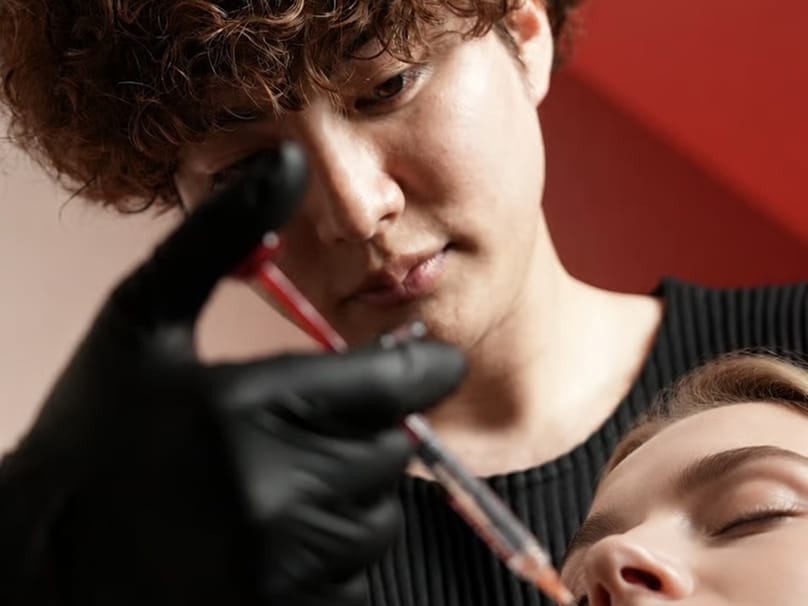
Our physicians evaluate structural balance across the cheeks, jawline, chin, and temples before determining filler product selection, injection depth, and volume designed to support visual harmony. Procedure time typically averages 10–15 minutes, with visible cosmetic changes often observable shortly following injection.
Hyaluronic acid formulations are widely utilized, with observed cosmetic effects typically lasting between 6 months to 2 years depending on the specific product and anatomical site.
Point 2: Treatment generally takes around 10–15 minutes, with initial volume changes often observable shortly after injection
Point 3: Filler selection, depth, and volume are customized based on individual facial asymmetry evaluation
-Those with uneven cheek, temple, or jawline volume on one side
-Those whose chin contour sits slightly off the central facial midline
-Those seeking a non-surgical facial asymmetry fix with manageable downtime
-Those exploring facial asymmetry filler options as an initial treatment approach
BOTOX INJECTIONS
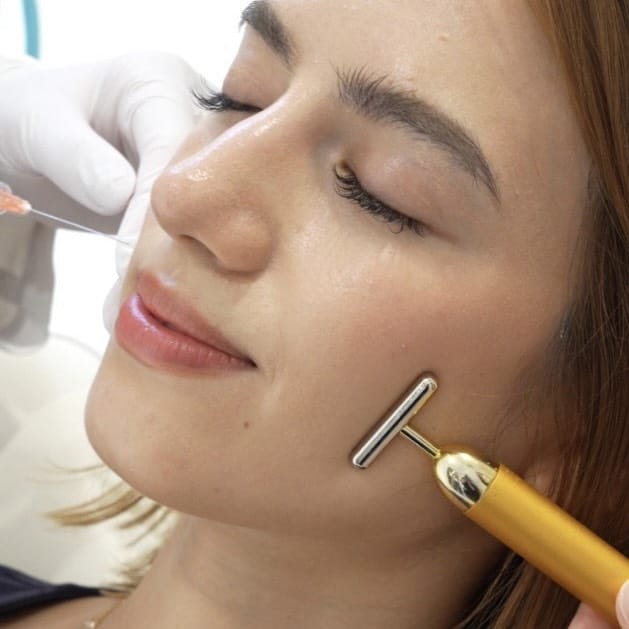
Our physicians evaluate muscle strength and movement dynamics on both sides prior to planning, as asymmetrical activity in muscles such as the masseter or frontalis can contribute to uneven appearance, particularly during smiling or speaking.
When one side exhibits excessive muscle pull — such as masseter enlargement from chewing on one side, or strong muscle retraction when smiling — Botox may help reduce that overactivity so the face appears more balanced at rest and during expression. Initial changes typically begin within 2–3 days, with full results settling around 2 weeks post-treatment.
Point 2: May address facial asymmetry when smiling, jawline asymmetry from muscle bulk, or uneven brow height
Point 3: Non-surgical application with initial softening effects typically observed within days
-Those with asymmetrical jaw muscle development related to chewing habits or clenching
-Those with uneven eyebrow height linked to asymmetrical forehead muscle activity
-Those seeking a non-surgical facial asymmetry treatment with minimal disruption to daily routine
-Those looking for facial asymmetry Botox in Tokyo with English-language consultation support
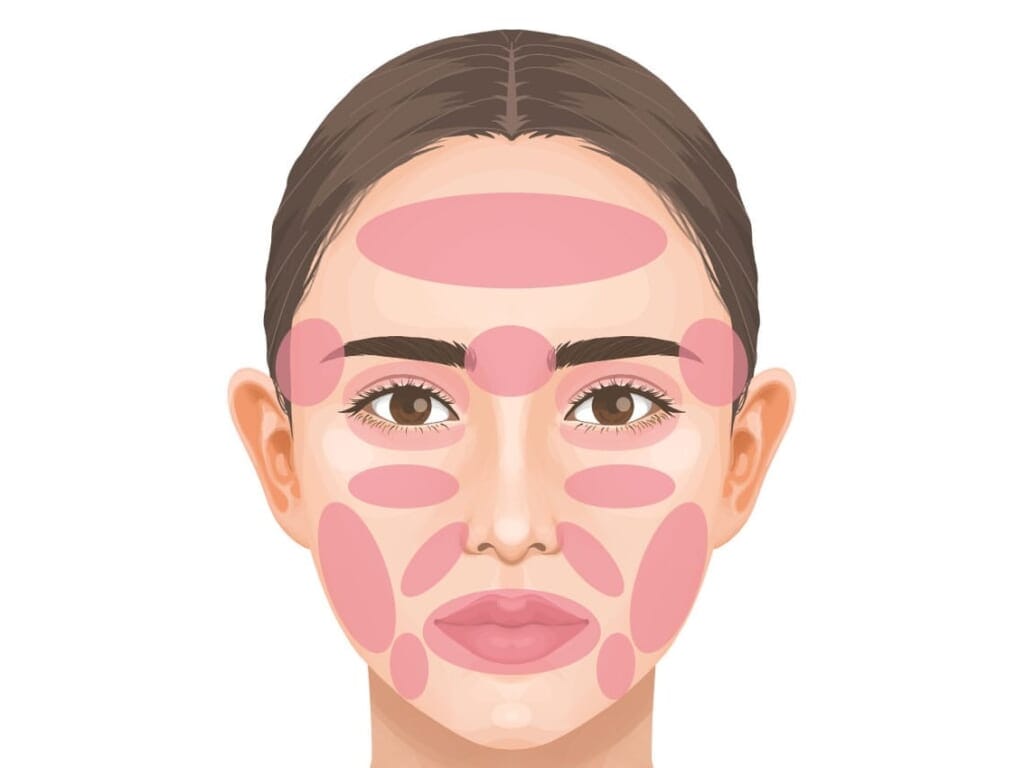
Because autologous tissue is used, this approach is well suited for addressing progressive, asymmetrical volume loss in a manner designed for longer-term tissue integration.
For facial asymmetry correction, this technique allows hollows in the cheek, temple, or under-eye areas to be filled with autologous fat capable of establishing local vascular support, offering durable volume support.
The CRF technique processes harvested fat within a closed, sterile system designed to concentrate healthy fat cells for optimized graft integration.
Point 2: Formulated to support durable volume correction once graft integration occurs
Point 3: Suitable for individuals seeking autologous volume options beyond temporary dermal fillers
-Those who have previously received hyaluronic acid fillers and wish to consider autologous volume options
-Those who prefer using their own tissue rather than synthetic filler products
-Those with mild facial asymmetry seeking gradual, natural-looking contour improvement
-Those interested in combining facial asymmetry correction with broader facial rejuvenation goals
THREAD LIFT
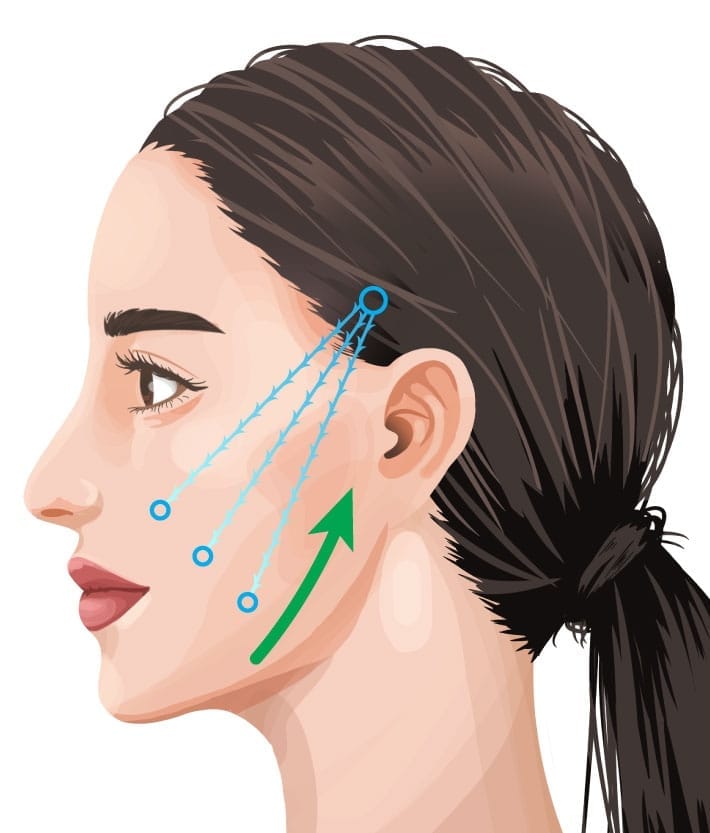
Where one side shows greater tissue descent due to laxity or gravity, thread placement, vector direction, and thread counts are tailored independently rather than mirrored symmetrically.
As threads gradually dissolve over time, they also help stimulate endogenous collagen production to support skin firmness.
Point 2: Non-surgical lifting technique providing immediate structural support with subtle entry points
Point 3: Gradual collagen stimulation designed to support ongoing tissue firmness as threads absorb
-Those seeking a facial asymmetry fix that also supports overall skin firmness
-Those looking for immediate structural lifting without undergoing surgical procedures
-Those seeking a targeted mechanical lift option alongside energy-based treatments like HIFU or RF
-Those interested in non-surgical mid-face lifting tailored to asymmetrical contours
-Those interested in maintaining long-term facial balance as part of an ongoing care plan
Treatment Process
Consultation & Examination
Treatment
Aftercare
FAQ
Can facial asymmetry be corrected without surgery?
Depending on the underlying cause, non-surgical facial asymmetry treatment options — such as fillers, Botox injections, facial fat grafting, and thread lift — may help adjust volume, muscle balance, and mild sagging without surgical incisions. An appropriate approach is determined following an individual physician assessment.
What causes facial asymmetry?
Facial asymmetry can result from genetic factors, natural aging, muscle imbalance, TMJ-related conditions, habitual movement patterns (such as chewing or sleeping predominantly on one side), and dental or orthodontic history. Sudden onset facial asymmetry may indicate underlying medical conditions such as Bell’s palsy and requires prompt medical evaluation.
How is facial asymmetry evaluated and approached at BIANCA CLINIC?
Care begins with a detailed facial asymmetry assessment covering bone structure, muscle activity, and expression. Based on individual findings, doctors may suggest dermal fillers to adjust volume, Botox to relax active muscles, facial fat grafting for autologous volume refinement, or thread lift to address mild sagging, used individually or in combination.
Is facial asymmetry treatment uncomfortable?
Non-surgical facial asymmetry treatments typically involve relatively mild, brief discomfort. Fine needles are utilized for injections, and topical anesthesia or other comfort measures may be applied based on the treatment region.
How long do the results of each treatment generally last?
Duration varies by procedure type and individual response. Botox effects generally remain noticeable for around three to four months, hyaluronic acid filler effects typically range from six months to two years, and facial fat grafting may offer longer-lasting tissue integration once established. Thread lift support generally persists from six months up to two years depending on thread characteristics.
Is downtime required after non-surgical facial asymmetry treatment?
Downtime for injectable and thread procedures tends to be relatively limited, though mild swelling, localized redness, or minor bruising may occur and typically resolves over several days to a week. Facial fat harvesting and grafting may involve a slightly extended recovery period.
Can facial asymmetry treatment address jaw or jawline imbalance?
Depending on the underlying cause, jawline asymmetry may be approached using Botox to address masseter muscle hypertrophy from clenching, dermal fillers to adjust volume contours along the jawline, or thread lifts to support lax tissue. Significant structural or bone-related jaw asymmetry may require evaluation for surgical or orthognathic options.
Does facial asymmetry become more noticeable with age?
Facial asymmetry can become more apparent over time, as age-related changes in skin elasticity, fat volume, and muscle tone do not always occur uniformly on both sides of the face. Periodic evaluations can help adjust non-surgical treatment plans as features change.
How do I determine which facial asymmetry treatment is suitable for me?
During your consultation, our doctors evaluate your facial structure, dynamic muscle movement, and primary areas of concern to recommend an individualized treatment plan. An initial evaluation helps determine whether fillers, Botox, fat grafting, thread lift, or a combination method aligns best with your goals.
How long should international patients stay in Tokyo for facial asymmetry treatment?
The recommended length of stay depends on the treatment. Injectable treatments such as hyaluronic acid fillers and Botox can generally be completed with a visit on the day of treatment, making them suitable for patients visiting Japan for a short stay. In contrast, procedures such as facial fat grafting may require a stay of around one week for postoperative follow-up. Your doctor will recommend a treatment and follow-up schedule based on the length of your stay in Japan.