



COMBINATION SKIN
- Point 1 : 01 Address an oily T-zone and dry areas separately, focusing on balance rather than treating the entire face the same way.
- Point 2 : 02 Choose treatments that help refine pores, remove buildup, and support hydration without unnecessarily stressing the skin barrier.
-
Point 3 :
03
Combine professional treatments with a practical combination skin care routine suited to your current skin condition.
Recommended for
- Those who are struggling with an oily T-zone and dry or tight areas of the face
- Those who are struggling with combination skin pores, blackheads, pimples, or uneven skin texture
- Those who are struggling to find a combination skin care routine that keeps their skin balanced
Treatment Area
HydraFacial®
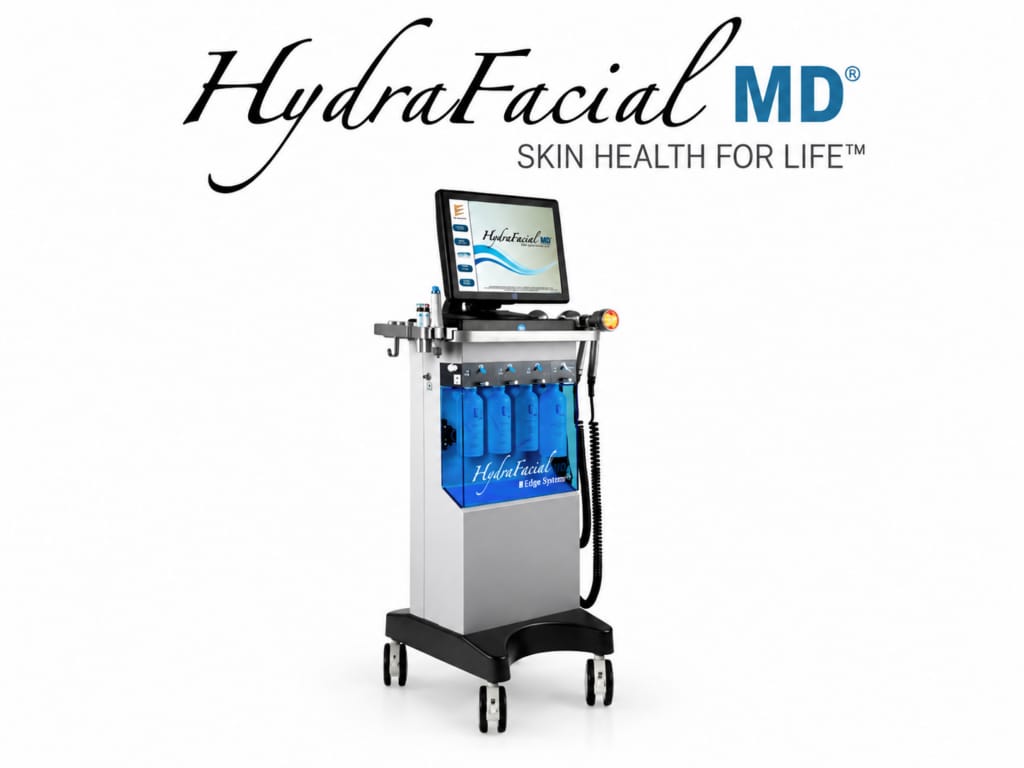
At BIANCA CLINIC, it can be considered when excess sebum, clogged pores, dryness, and rough texture appear together.
For combination skin, this approach can be useful when the T-zone feels oily or congested while other areas feel dry or lack radiance. It may also be considered for combination skin with blackheads, visible pores, acne, dullness, or uneven texture.
Point 2: Exfoliation and pore cleansing are followed by the infusion of moisturizing and skin-conditioning ingredients.
Point 3: It can address several combination skin problems in one treatment, including blackheads, dullness, dryness, and rough texture.
Point 4: Full-face, nose-and-cheek, and other treatment areas can be selected according to individual skin concerns.
-Blackheads or clogged pores
-Large or visible pores
-Pimples or acne concerns
-Dryness or dehydration alongside excess sebum
-Those looking for a professional facial treatment with minimal downtime
CHEMICAL PEELS

Different formulations can be considered for combination skin with oiliness, uneven texture, dullness, pigmentation, or acne-related concerns.
For combination skin, the appropriate peel depends on factors such as oil production, dryness, sensitivity, pores, acne, pigmentation, and the condition of the skin barrier. A personalized approach is therefore important, particularly when oily and dry areas coexist.
Point 2: Ingredients such as glycolic, lactic, and salicylic acids can address different aspects of texture and pore congestion.
Point 3: Salicylic acid can be useful when combination skin is prone to excess sebum and clogged pores.
Point 4: Lactic acid supports surface smoothness and skin-barrier care, which may be relevant when combination skin also feels dry.
-Clogged or enlarged pores
-Acne or recurring pimples
-Dullness or uneven skin tone
-Rough or uneven skin texture
-Those looking for professional exfoliation tailored to their skin concerns
HYDROBOOST INJECTION
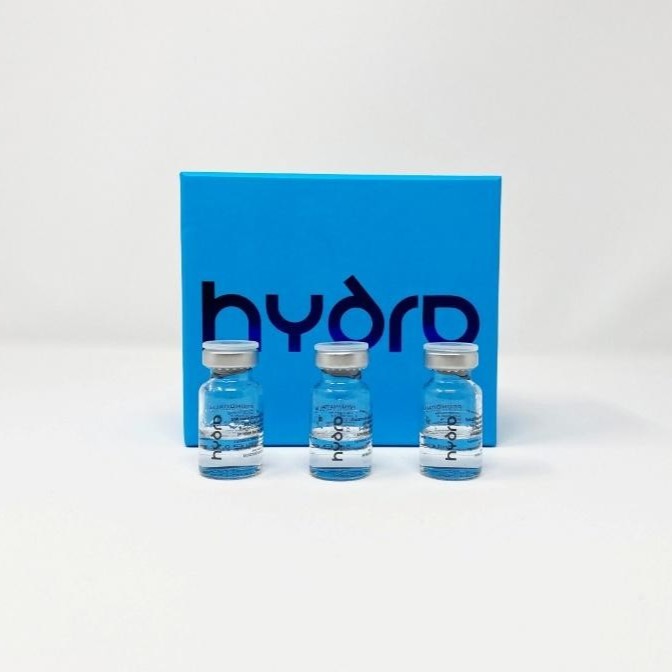
It is designed to improve hydration and skin quality without being intended to add facial volume like a conventional filler.
For combination skin, hydration is not necessarily about using a richer product over the entire face. When the skin feels oily in some areas but dry, tight, or less supple in others, improving hydration and overall skin quality may be part of a broader treatment plan.
Point 2: The treatment focuses on skin conditioning and hydration rather than adding the facial volume associated with conventional fillers.
Point 3: Doctor-administered injections allow treatment to be planned around areas with fine lines, dryness, or reduced elasticity.
Point 4: It may complement pore-focused or exfoliating treatments when combination skin also shows dehydration or loss of suppleness.
-Skin that feels tight despite excess oil
-Fine lines around the eyes or mouth
-Loss of firmness or elasticity
-Dehydrated, dull-looking skin
-Those looking for a hydration-focused skin treatment
MESOTHERAPY
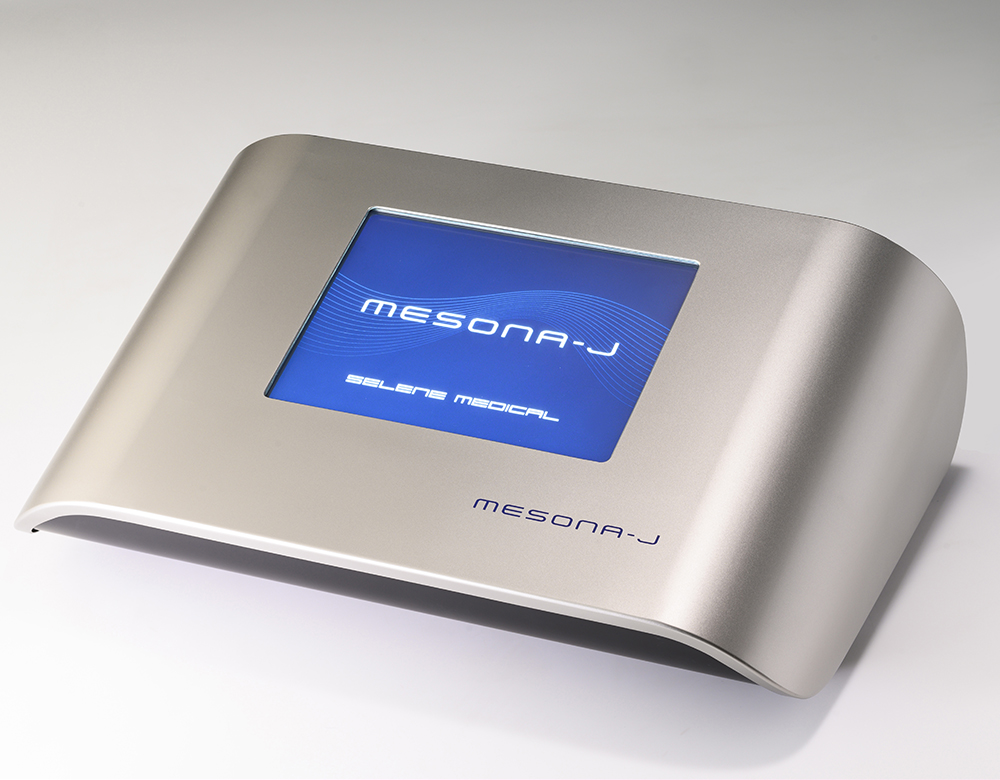
It may be considered when combination skin needs hydration and skin-conditioning care without adding another exfoliating step.
For combination skin, MESOTHERAPY can be considered when dryness, dullness, uneven texture, pores, or other concerns coexist and the skin needs hydration-focused care.
Point 2: High-molecular-weight ingredients that are difficult to deliver through simple topical application can be introduced through the treatment process.
Point 3: The treatment can address concerns including pores, dryness, dullness, dark spots, acne, and uneven texture.
Point 4: It may suit patients who prefer a non-needle approach or have difficulty tolerating topical anesthetic cream.
-Visible pores or uneven skin texture
-Dark spots or uneven skin tone
-Acne-prone skin
-Skin that needs additional hydration and conditioning
-Those who prefer a non-needle skin treatment
Treatment Process
Consultation & Examination
Your current combination skin care routine, products, previous treatments, and concerns are also discussed. If your skin has changed over time—from normal to combination skin, for example—the current condition of your skin is considered rather than relying only on your usual skin type.
Based on this assessment, your doctor recommends a treatment approach that may include one of the treatments above or a combination of different options.
Treatment
For example, HydraFacial® may be considered when pore cleansing and hydration are both needed, while chemical peels may be selected when exfoliation is appropriate. HydroBoost Injection focuses on hydration and skin conditioning, while MESOTHERAPY offers a non-needle option for introducing selected active ingredients into the skin.
The treatment plan can be adjusted as your skin changes over time.
Aftercare
A simple combination skin care routine is generally preferable to adding multiple strong active ingredients at once. Depending on the treatment, you may be advised to pay particular attention to hydration, sun protection, and avoiding unnecessary irritation while the skin settles.
FAQ
What is combination skin?
It simply means different areas of your face have different needs. The most common pattern is an oily T-zone (forehead, nose, chin) paired with drier or normal cheeks, though every individual’s skin balance is slightly different.
How can I tell if I have combination skin?
One simple clue is how your skin feels a few hours after cleansing. If your T-zone becomes shiny or greasy while your cheeks still feel dry or comfortable, you may have combination skin.
If you are unsure, a consultation can help identify what is actually happening. What feels like oily skin, for example, can sometimes be accompanied by dehydration or sensitivity.
What is the best combination skin care routine?
There is no single combination skin routine that works for everyone. A practical combination skin daily routine usually includes gentle cleansing, appropriate hydration, moisturizer, and sunscreen, with active ingredients selected according to specific concerns.
Do I need a special cleanser?
Not necessarily, but you do need a balanced one. If your cheeks feel tight after washing, your current cleanser is likely too harsh. A gentle, hydrating cleanser is usually the best foundation.
My T-zone is oily, but my cheeks are dry. Should I still use moisturizer?
Yes. Oily skin can still lack hydration. If a rich moisturizer feels heavy on your T-zone, use a lighter texture there and apply more to areas that feel dry.
Can treatments help with blackheads and enlarged pores?
Yes. Excess oil frequently leads to clogged pores and blackheads in combination skin. Treatments like HydraFacial® and customized chemical peels effectively clear out debris and minimize pore appearance.
Can I use retinol, niacinamide, vitamin C, or hyaluronic acid for combination skin?
These ingredients can be included in combination skin care, but the appropriate ingredient, concentration, frequency, and combination depend on your skin condition. Niacinamide may be considered when oiliness and barrier support are concerns, while hyaluronic acid is commonly used for hydration. Retinol and vitamin C may also be useful in some routines, but stronger active ingredients should be introduced thoughtfully.
Is HydraFacial® suitable for combination skin with acne and dry areas?
HydraFacial® may be considered when combination skin has several concerns at once, such as clogged pores, excess sebum, acne, dullness, and dryness. The treatment combines cleansing, exfoliation, pore care, and serum infusion, making it particularly relevant when both congestion and hydration are concerns.
Should I choose HydraFacial® or a Chemical Peel?
It depends on your primary goal. HydraFacial® excels at deep pore cleansing and immediate hydration. Chemical peels are better suited for addressing texture, pigmentation, and persistent acne. Your doctor will recommend the best path after examining your skin.
Can I combine different treatments?
In some cases, different treatments can be combined when several concerns occur at the same time. However, the right approach depends on your skin barrier, sensitivity, acne, dryness, pigmentation, and previous treatments.
At BIANCA CLINIC, your treatment plan can be adjusted as your skin changes, rather than using the same combination of treatments every time.