


Aging affects more than the visible surface of your skin. Over time, changes in collagen production, skin repair, and tissue resilience can contribute to wrinkles, reduced elasticity, dullness, and slower recovery.
This has led many people to explore regenerative medicine.
Stem cell therapy benefits are often discussed in relation to skin quality, elasticity, texture, and tissue recovery.
However, results vary depending on the treatment and individual.
At BIANCA CLINIC in Tokyo, we take a personalized approach, considering your concerns, health status, treatment goals, and travel plans before discussing appropriate regenerative options.
What is Stem Cell Therapy in Aesthetic & Rejuvenation Medicine?
Stem cell therapy in aesthetic and regenerative medicine refers to treatments that use stem cells themselves to support tissue repair and regeneration.
In aesthetic medicine, potential benefits include supporting collagen production, skin renewal, tissue recovery, and overall skin quality.
Unlike conventional fillers, which primarily restore or alter volume, regenerative approaches focus on biological processes rather than simply adding material beneath the skin.
These therapies are not interchangeable, though. Their mechanisms, evidence, regulatory status, procedures, and expected outcomes can differ substantially.
For international patients, knowing exactly what is being administered is especially important.
“Stem cell therapy” can refer to several different approaches, so the treatment name alone should not determine your decision.
Key Benefits of Stem Cell & Regenerative Therapies
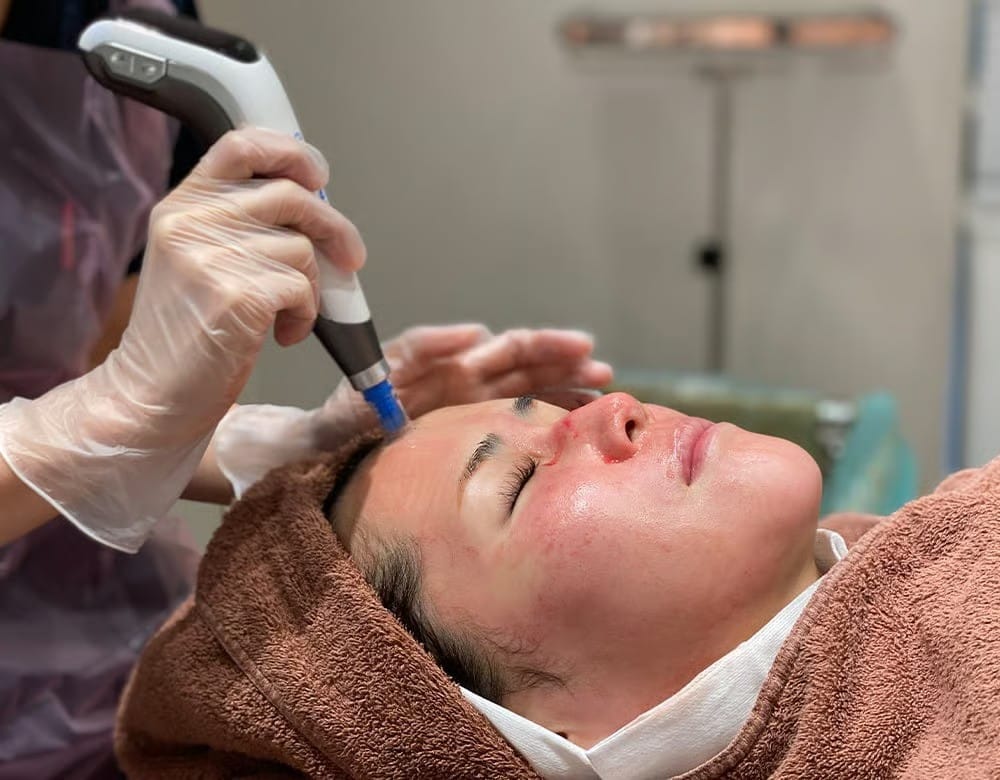
The potential benefits of regenerative therapies can broadly be considered in two areas: dermal and aesthetic improvement, and systemic or wellness-related goals.
What is realistic depends on the specific modality and the individual’s condition.
| Treatment Modality | Key Active Component | Primary Target Area | Main Clinical Benefit |
|---|---|---|---|
| Exosome Therapy | Microscopic cell-signaling vesicles | Face, Neck, Scalp, Whole Body (IV) | Support for cellular communication, skin quality, and inflammatory balance |
| Purified Culture Supernatant | Growth factors, cytokines, peptides | Full Face, Whole Body (IV) | Support for skin hydration, texture, and tissue recovery |
| Autologous Adipose MSCs | Harvested & cultured fat stem cells | Systemic IV, Joint/Tissue Repair | Personalized regenerative approach for systemic and tissue-repair goals |
| Dermal Fibroblasts | Cultured autologous dermal cells | Localized deep wrinkles, volume loss | Targeted support for dermal structure and collagen production |
| PRP (Vampire Facial) | Concentrated autologous platelets | Face, Acne Scars, Under-Eye | Growth-factor-mediated collagen and tissue repair support |
1. Dermal Renewal and Collagen Remodeling
One of the main reasons patients explore the benefits of stem cell therapy for skin is the possibility of supporting the dermis, where collagen and elastin provide much of the skin’s structure.
Regenerative signals may influence fibroblast activity and the skin’s natural repair processes.
This may be relevant if you’re concerned about fine lines, uneven texture, reduced elasticity, or acne scars.
Depending on the selected therapy, the goal may be to support gradual improvements in firmness, hydration, texture, and radiance rather than dramatically changing facial volume.
2. Systemic Anti-Aging and Cellular Repair
Some regenerative therapies are administered intravenously, which has led to interest in stem cell therapy IV benefits and the broader health benefits of stem cell therapy.
IV regenerative approaches are intended to provide systemic exposure to cell-derived or cellular components, depending on the formulation.
Patients may consider these treatments when their goals extend beyond facial rejuvenation, such as supporting recovery or addressing age-related changes in overall vitality. Evidence and outcomes vary by product and indication, however.
IV regenerative therapy should therefore be viewed as an individualized medical treatment rather than a general-purpose wellness infusion.
3. Hair Follicle and Scalp Revitalization
Regenerative approaches are also being explored for scalp and hair concerns.
This is one reason searches for stem cell therapy for hair benefits have become increasingly common.
Localized regenerative treatments may support the scalp environment and follicular function through biological signaling and tissue-repair mechanisms.
At BIANCA CLINIC, treatment suitability depends on your hair and scalp condition, the underlying causes of hair loss, and your treatment objectives.
Regenerative therapy should not automatically be considered a replacement for established hair-loss treatments.
4. High Biocompatibility & Natural-Looking Results
Autologous treatments use material collected from the patient’s own body, such as blood, adipose tissue, or dermal cells.
This can offer a high degree of biological compatibility, although no medical procedure is completely risk-free.
Many patients are also drawn to regenerative approaches because they prefer gradual, natural-looking results.
Rather than intentionally creating a dramatic change in facial volume or expression, treatment may focus on supporting the skin’s own structure and quality.
During consultation, we discuss whether this approach aligns with your expectations and whether another treatment may be more appropriate.
▷Explore BIANCA CLINIC’s Stem Cell & Regenerative Medicine Treatments
Comparing Regenerative Modalities: Choosing the Right Benefit Profile
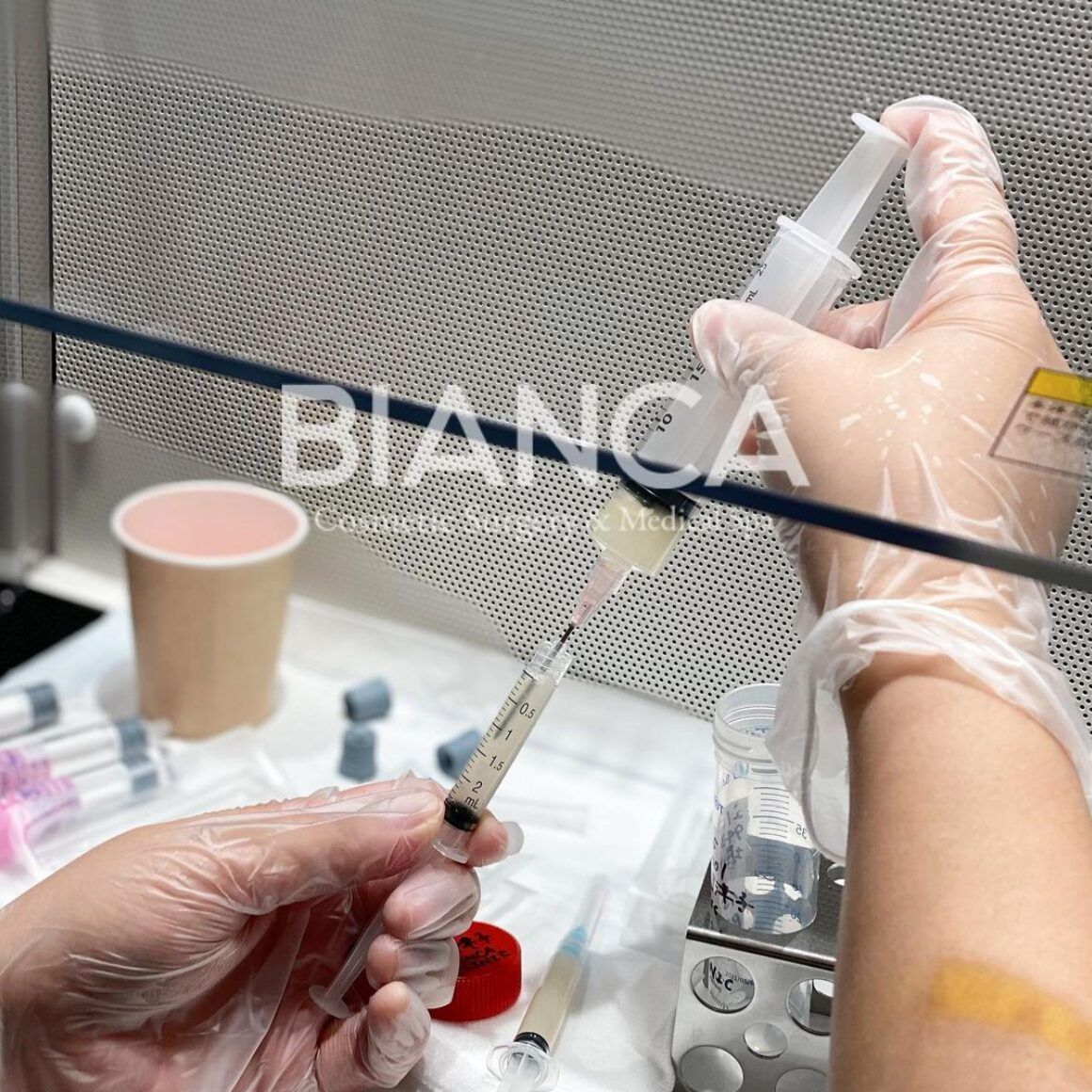
There is no single answer to what is stem cell therapy good for because “stem cell therapy” encompasses different treatment modalities.
The right option depends on the biological material used, treatment area, intended goal, and individual medical suitability.
For example, someone primarily concerned with facial texture may have different needs from someone interested in systemic regenerative care. PRP uses the patient’s own platelets, while exosome and culture-supernatant therapies are cell-free approaches.
Autologous adipose-derived stem cell therapy involves a more involved process because cells are collected and prepared before administration.
This distinction matters even more for international patients with limited time in Tokyo.
The procedure, preparation requirements, recovery, and follow-up needs should all be considered before arranging your treatment itinerary.
Why Receive Regenerative Treatments in Japan at BIANCA CLINIC?
Choosing a regenerative treatment involves more than selecting a procedure.
Medical oversight, treatment quality, and support for international patients all play an important role in planning your care.
Medical Supervision & Quality-Focused Care
For patients researching the benefits and risks of stem cell therapy, safety and product quality are central considerations.
At BIANCA CLINIC, regenerative treatments are performed under medical supervision, with treatment selection based on individual assessment.
Our regenerative medicine program offers a range of treatment options, with careful attention to appropriate handling and clinical protocols.
The term “stem cell therapy” covers treatments with different levels of clinical evidence and different regulatory considerations.
We focus on natural, refined rejuvenation while considering each patient’s concerns, treatment goals, and individual needs.
Comprehensive Multi-Modal Portfolio
A key consideration in regenerative medicine is matching the modality to the treatment goal. BIANCA CLINIC offers several approaches,
including exosome therapy, purified stem cell culture supernatant, autologous adipose-derived stem cell therapy, PRP, and dermal fibroblast therapy.
This allows consultation to focus on your actual priorities—whether facial rejuvenation, acne scars, scalp concerns, or broader regenerative goals—rather than choosing a treatment based only on its name.
Combination approaches may also be considered when medically appropriate.
Seamless Support for International Visitors
International patients often have practical questions alongside their medical ones: How long will the consultation take?
Is interpretation available? Can treatment fit into a short Tokyo itinerary?
BIANCA CLINIC provides complimentary consultation and interpreter support for international patients.
We also consider scheduling and recovery requirements when discussing treatment plans, helping you understand what can reasonably fit into your visit without compromising appropriate medical evaluation.
What to Expect: The Patient Journey & Recovery Guidelines

Every treatment plan starts with a medical consultation and an assessment of your individual needs.
Understanding the steps involved can also help international patients plan their Tokyo visit, from preparation through recovery.
1. Consultation & Medical Evaluation: Free English interpretation provided.
The process begins with an assessment of your skin condition, health history, concerns, and treatment goals.
We explain the differences between regenerative options and discuss whether the treatment you are considering is appropriate for you.
2. Preparation & Cell Collection: Applicable for autologous treatments.
Depending on the modality, preparation may involve collecting blood for PRP or obtaining adipose or skin tissue for cell-based treatments.
Requirements differ substantially between therapies, so international patients should confirm these details before finalizing their travel schedule.
3. Precision Treatment / Infusion: Performed under strict clinical safety protocols.
The selected treatment may involve localized injections or intravenous administration.
The procedure and monitoring requirements depend on the specific regenerative formulation. Before treatment, we explain expected sensations, possible side effects, and appropriate aftercare.
4. Post-Treatment Recovery & Travel Continuity:
Many regenerative treatments involve limited downtime, although recovery varies according to the procedure. Injection-based treatments may cause temporary redness, swelling, tenderness, or bruising.
Before traveling or sightseeing, follow the clinic’s aftercare instructions and allow sufficient time for any expected reactions.
Frequently Asked Questions
Q. What is the difference between cell-free options (Exosomes/Supernatants) and autologous stem cell therapy?
A. Cell-free approaches use substances produced or released by cells rather than administering living cells themselves. Exosomes are extracellular vesicles involved in cell-to-cell signaling, while culture supernatants can contain growth factors, cytokines, and other secreted substances.
Autologous stem cell therapy, by contrast, involves cells collected from the patient’s own body and prepared for reintroduction.
Because the procedures and biological materials differ, their potential benefits, risks, evidence, and preparation requirements should be evaluated separately.
Q. Is stem cell therapy safe, and are there risks of rejection?
A. Safety depends on the specific treatment, the source and handling of the biological material, the administration method, and the individual’s health.
Autologous therapies use material from the patient’s own body, which can reduce concerns related to immune incompatibility, but complications or adverse reactions are still possible.
When considering stem cell therapy facts, look beyond marketing claims and understand exactly what is being administered.
At BIANCA CLINIC, treatment suitability and potential risks are discussed during physician consultation.
Q. How much downtime should I plan for during my trip to Tokyo?
A. Downtime varies by treatment. IV therapies generally do not require a prolonged recovery period, while injections may cause temporary redness, swelling, tenderness, or bruising.
Procedures involving tissue collection require additional planning.
If you’re visiting Tokyo for a short period, share your travel dates and planned activities during consultation.
This allows the treatment schedule and expected recovery period to be considered together.
Q. How long does it take to see results from regenerative treatments?
A. There is no universal timeline.
Some patients may notice changes in hydration, radiance, or skin texture relatively soon, while changes associated with collagen remodeling and tissue regeneration can take several weeks or longer.
The timeframe depends on the treatment modality, treatment area, baseline condition, and individual biological response.
Regenerative therapies should therefore not be evaluated solely by expecting an immediate cosmetic change.
▷BIANCA CLINIC’s STEM CELL / REGENERATIVE MEDICINE TREATMENTS