


Contraceptive implant advantages and disadvantages are usually presented as a simple list — but for most patients, the real question isn’t how many pros there are versus cons. It’s whether those specific pros and cons line up with your own body, your medical history, and what you want from contraception right now. A feature that reads as an advantage for one patient, such as not having to think about contraception every day, can feel less appealing to someone who wants the freedom to stop a method on their own, without a procedure. This article was put together from the kinds of questions we hear during consultations at BIANCA CLINIC in Tokyo, and it’s meant to help you think through the decision rather than just hand you a checklist. In short: the implant is a highly effective, long-acting, reversible method placed under the skin of the upper arm — but whether it’s the right one depends on your individual situation.
What Are the Advantages and Disadvantages of a Contraceptive Implant?

The advantages and disadvantages of a contraceptive implant are fairly well established medically,
but it helps to see them laid out plainly before thinking about how they might apply to you personally.
Advantages
- Long-lasting contraception — a single implant can provide contraception for up to 3 years, without needing to be replaced in between.
- No daily pill to remember — once it’s in place, there’s nothing to take, track, or refill.
- Reversible — fertility is generally expected to return relatively quickly after the implant is removed, which is one of the main advantages of a contraceptive implant patients ask about.
- Discreet — the device sits under the skin of the upper arm and isn’t visible or noticeable in daily life.
- No need to think about contraception at the time of intercourse — unlike barrier methods, there’s nothing to plan for in the moment.
Disadvantages
- Changes in menstrual bleeding — some patients experience irregular spotting, lighter periods, or occasionally longer bleeding, particularly in the first several months.
- Possible hormonal side effects — these can include breast tenderness, mood changes, or headaches in some individuals.
- Insertion and removal require a procedure — both are quick and performed under local anesthesia, but they are still minor procedures, not something you can start or stop entirely on your own.
- No protection against STIs — like most hormonal methods, it is designed for pregnancy prevention only.
The Same Feature Can Matter Differently to Different Patients
This is really where a pros-and-cons list stops being useful on its own. Long-lasting contraception, for example, is often described as a major advantage — and for someone who wants convenience and doesn’t want to think about birth control for years at a time, it usually is. But for someone who values the flexibility to change their mind or discontinue a method independently, without booking an appointment, that same durability can feel more like a limitation. Similarly, “no daily pill” is a clear benefit for a busy or frequently traveling patient, but someone who has had a difficult experience with irregular bleeding on a previous hormonal method may weigh that disadvantage more heavily than the convenience gained. Understanding advantages and disadvantages of using a contraceptive implant, in other words, isn’t only about the list itself — it’s about which items on that list matter most to you.
▶Explore Contraceptive Implant Treatment at BIANCA
How Do Doctors Decide If a Contraceptive Implant Is Right for You?

There is no single “best” contraceptive method for everyone. During a consultation, we look at how an implant fits your individual circumstances — not simply whether it has more advantages than disadvantages on paper.
Your medical history and current medications
We ask about relevant conditions, current medications, and any prior contraceptive use. Some medications and health conditions can influence whether a hormonal implant is suitable, and previous experiences — positive or negative — with other contraceptive methods often shape what we recommend next.
Your menstrual history and preferences
How you feel about your cycle matters. Some patients are comfortable with lighter or irregular bleeding in exchange for convenience; others find any change disruptive. We also ask about past experiences with hormonal contraception, since a prior reaction can be a useful indicator of how you might respond to an implant.
Your future pregnancy plans
Because the implant is fully reversible, we take your personal timeline into account — discussing both your short-term lifestyle needs and any future pregnancy plans.
Your lifestyle and priorities
For patients who travel frequently, keep unpredictable schedules, or simply prefer not to manage a daily pill, the implant’s low-maintenance nature is often appealing. Discretion is another common priority — many patients specifically ask about a method that isn’t visible or noticeable to others.
Sometimes, the consultation may lead to another contraceptive option. That’s a normal and expected part of the process, not a sign that the implant “failed” as a choice — it simply means another method may fit your circumstances more closely.
▶Discuss Your Contraceptive Options With Our Doctors
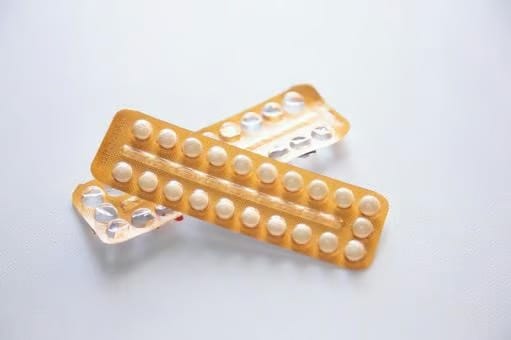
Implant, Pill, or Hormonal IUD? Understanding Your Options
| Implant | Pill | Hormonal IUD | |
|---|---|---|---|
| Daily medication | No | Yes | No |
| Procedure required | Yes | No | Yes |
| Long-term contraception | Yes | No | Yes |
| Reversible | Yes | Yes | Yes |
| Menstrual changes | Possible | Possible | Possible |
Which option may fit your priorities?
If convenience and minimal upkeep matter most, both the implant and hormonal IUD remove the need for daily attention, while the pill offers more day-to-day flexibility to start or stop. If you have specific menstrual preferences — such as wanting lighter periods or cycle regulation — that history is worth discussing directly, since each method can affect bleeding patterns differently. Comfort with a procedure, your future pregnancy plans, and your broader medical history all factor in as well. The right choice depends on what you want from contraception and what your physician considers appropriate for you.
Considering a Contraceptive Implant in Japan? What International Patients Should Know

Before your consultation
It helps to bring a clear picture of your medical history, current medications, and any contraceptive methods you’ve used before, along with any specific questions you’d like to discuss. Many international patients also come with concerns from a previous experience abroad — mentioning these upfront allows the consultation to be more targeted.
Planning treatment during a trip to Tokyo
Insertion is a brief procedure, but it’s worth allowing a little flexibility in your itinerary in case of mild local soreness or bruising at the site over the following day or two. Aftercare instructions are provided so you know what to expect after the procedure.
Communication and follow-up
One question we often hear during consultations is how medical history gets communicated accurately across language differences. At BIANCA, consultations are conducted with attention to this, so your history, concerns, and expectations are properly understood before any treatment decision is made. We also discuss how to reach us if a concern comes up after you’ve returned home.
For international patients, choosing a clinic is not only about where the procedure is performed. It is also about whether you can have your medical history, concerns, and expectations properly understood before treatment.
Frequently Asked Questions
What are the main advantages and disadvantages of contraceptive implants?
The main advantages are long-lasting, highly effective, reversible contraception without a daily pill or planning at the time of intercourse. The main disadvantages are the need for a minor insertion and removal procedure, the possibility of irregular bleeding or other hormonal side effects, and the lack of STI protection. Which of these matters most depends on the individual patient.
Can a contraceptive implant change my period?
Yes. Some patients experience irregular spotting, lighter bleeding, or occasionally longer periods, particularly in the first several months after insertion. Patterns often settle over time, but they can vary considerably between individuals, which is one reason menstrual history is discussed during consultation.
Is a contraceptive implant reversible?
Yes. The implant is considered a reversible method, and fertility is generally expected to return relatively quickly once it’s removed. Removal itself is a brief procedure performed under local anesthesia.
How does an implant compare with birth-control pills or a hormonal IUD?
All three are reversible hormonal methods, but they differ in daily involvement and how they’re started or stopped. The pill requires no procedure but daily use; the implant and hormonal IUD both involve a minor procedure but offer longer-term, low-maintenance protection. None is universally “better” — suitability depends on your history and preferences.
Can international patients get a contraceptive implant during a trip to Japan?
International patients may be able to receive a contraceptive implant at BIANCA, subject to medical assessment and treatment planning. The process typically includes a consultation, the procedure itself, and clear aftercare guidance, with some flexibility in your itinerary in case of temporary soreness or bruising. English-language consultation support is available to help ensure that your medical history, concerns, and questions are properly understood.
Conclusion
The question is not simply whether a contraceptive implant has more advantages than disadvantages. The more useful question is whether its benefits and limitations fit your health, lifestyle, and future plans. If you’re weighing an implant against other options, a consultation is the most direct way to talk through your specific history and priorities with a physician — You can learn more about contraceptive implant treatment at BIANCA CLINIC or book a consultation to discuss which option may be right for you.