



Thread lift before and after results are often discussed as an option for people who want a subtle change in facial contour. A thread lift, also called a threading face lift, is a minimally invasive procedure in which dissolvable threads are placed under the skin to support tissue and help improve the appearance of facial sagging — and actual before-and-after results demonstrate visible improvements in facial contour.
In general, this treatment is considered for mild to moderate laxity. It is not a substitute for a surgical face lift before and after surgery, but it may be an option for those who want less downtime and a more moderate change.
What Is a Thread Lift?
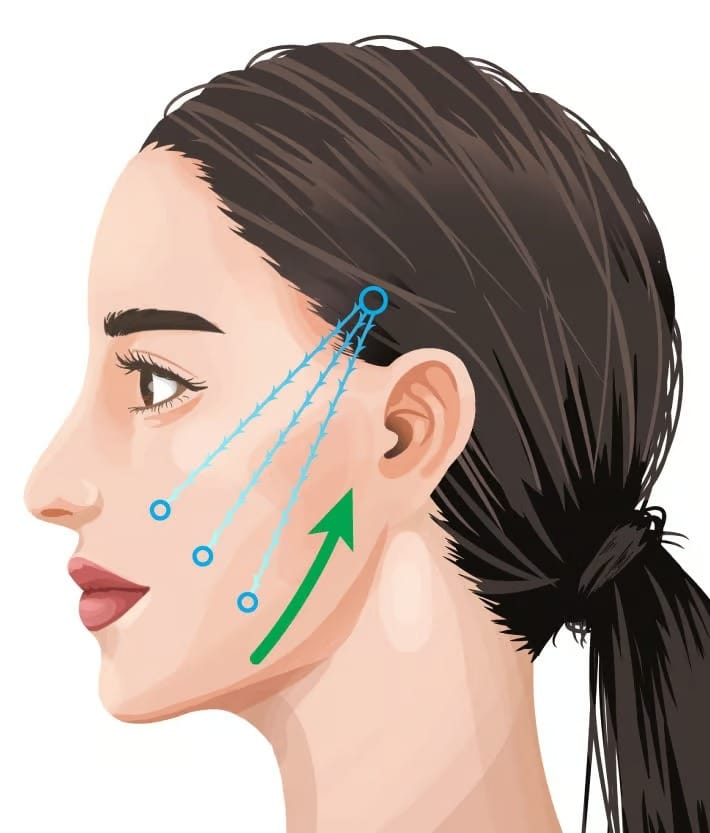
A thread lift uses absorbable sutures such as PDO or PCL threads. These materials are placed beneath the skin to provide a lifting effect and may also support collagen production over time. The procedure is usually performed under local anaesthesia and may take around 20 to 30 minutes, depending on the treatment area and technique.
Some clinics use branded systems such as Mint thread lift, Spring thread lift, Silhouette thread lift, or collagen thread lift, and before and after results can vary depending on the system used. The appropriate method depends on the individual’s facial structure, skin condition, and treatment goals.
If you’d like to learn more about the procedure itself, including the different thread types, treatment process, and indications, you can explore our comprehensive Thread Lift guide.
▶ Learn More About Thread Lift
Expected Effects of Thread Lift
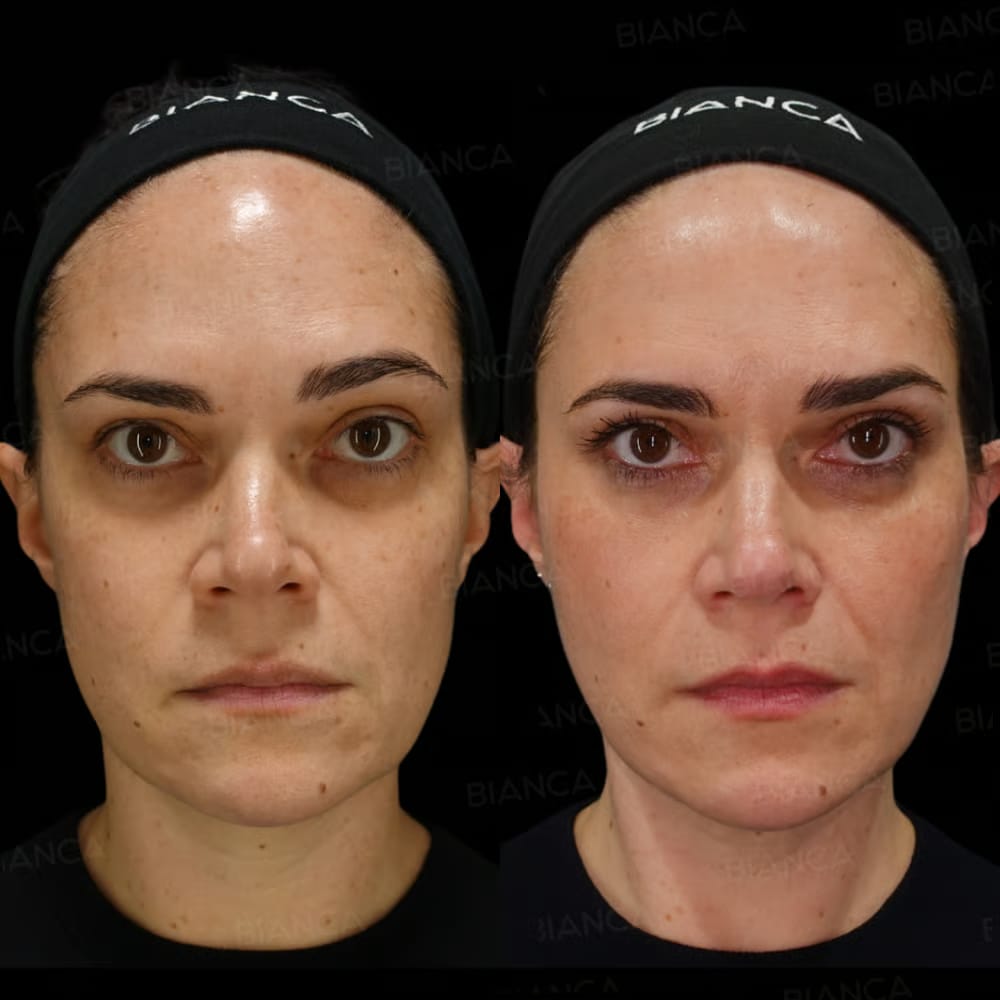
Thread lifts may help improve facial contour and provide a temporary lifting effect in individuals for whom the treatment is considered appropriate. While the visible effects can generally be felt immediately after the procedure, the skin and surrounding tissues gradually settle over the following weeks and months as collagen remodeling progresses. Consequently, thread lift outcomes are typically evaluated after a few months rather than in the immediate post-treatment phase.
Main Treatment Areas
Thread lifts are commonly used for concerns such as the lower face lift area, jawline definition, marionette lines, and mild cheek descent. In some cases, clinicians may also consider a thread brow lift, under-eye thread lift, or cat-eye thread lift. Reviewing before-and-after results for these specific areas can help individuals understand the potential outcomes for each area, depending on anatomy and indication.
Other approaches sometimes discussed in the same category include liquid face lift, filler face lift, HIFU face lift(ultrasound face lift), laser face lift, and RF face lift, each of which has its own distinct before and after results depending on the individual’s skin condition and treatment goals. These treatments work differently, so the best choice depends on whether the main concern is volume loss, laxity, texture, or contour.
To complement these structural treatments with deep, internal skin-brightening and detoxification, you can also explore our advanced inner-care options.
How Thread Lift Works: A Step-by-Step Overview
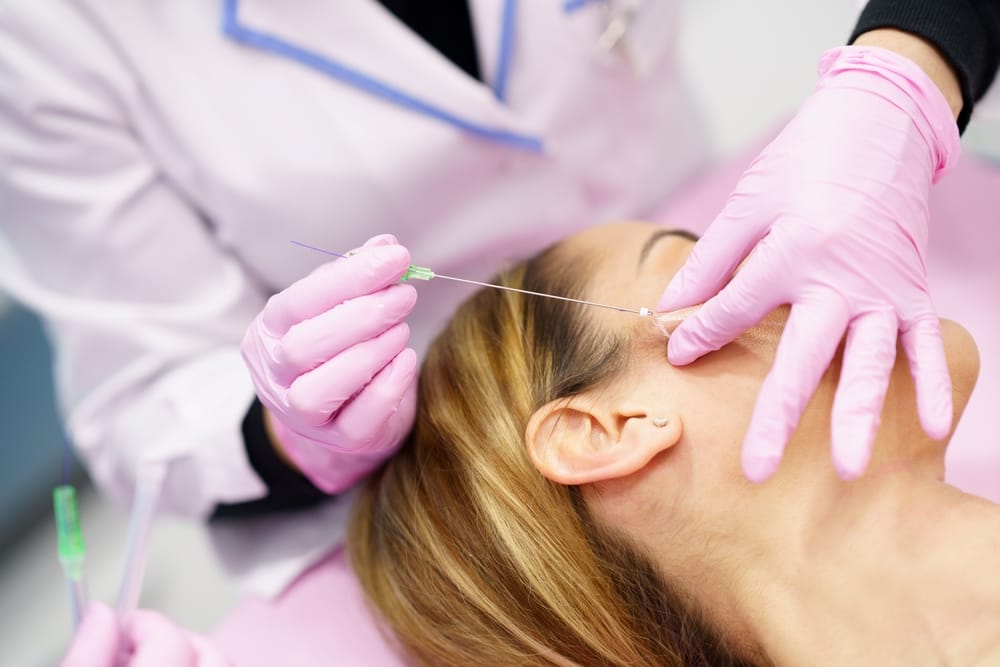
Below, we will walk you through the thread lift process step by step.
Thread Lift Before and After Timeline
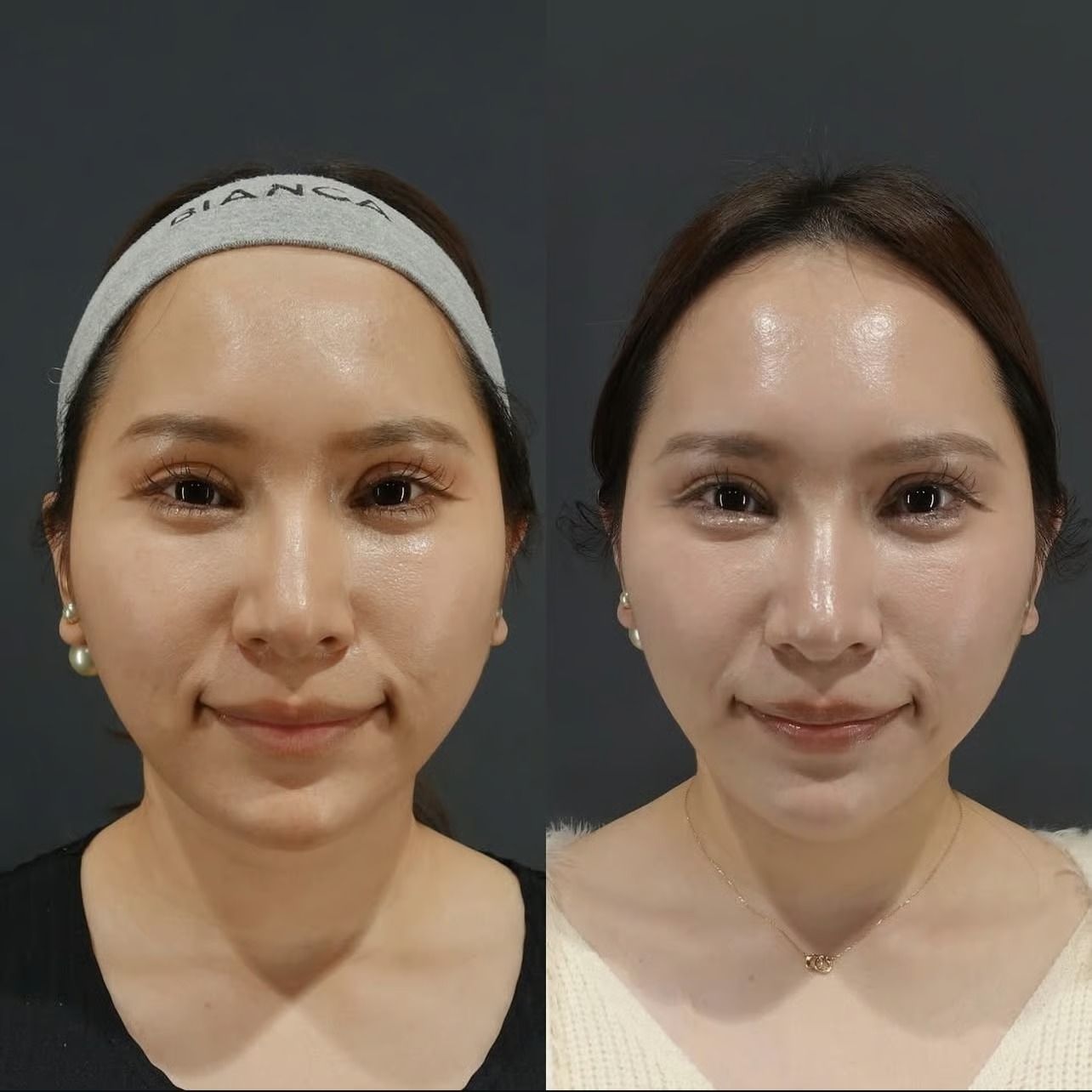
Reviewing real patient progress can help clarify what to expect after a treatment. A clear visual timeline helps individuals understand the transition from the pre-treatment state to a refined, natural-looking facial contour.
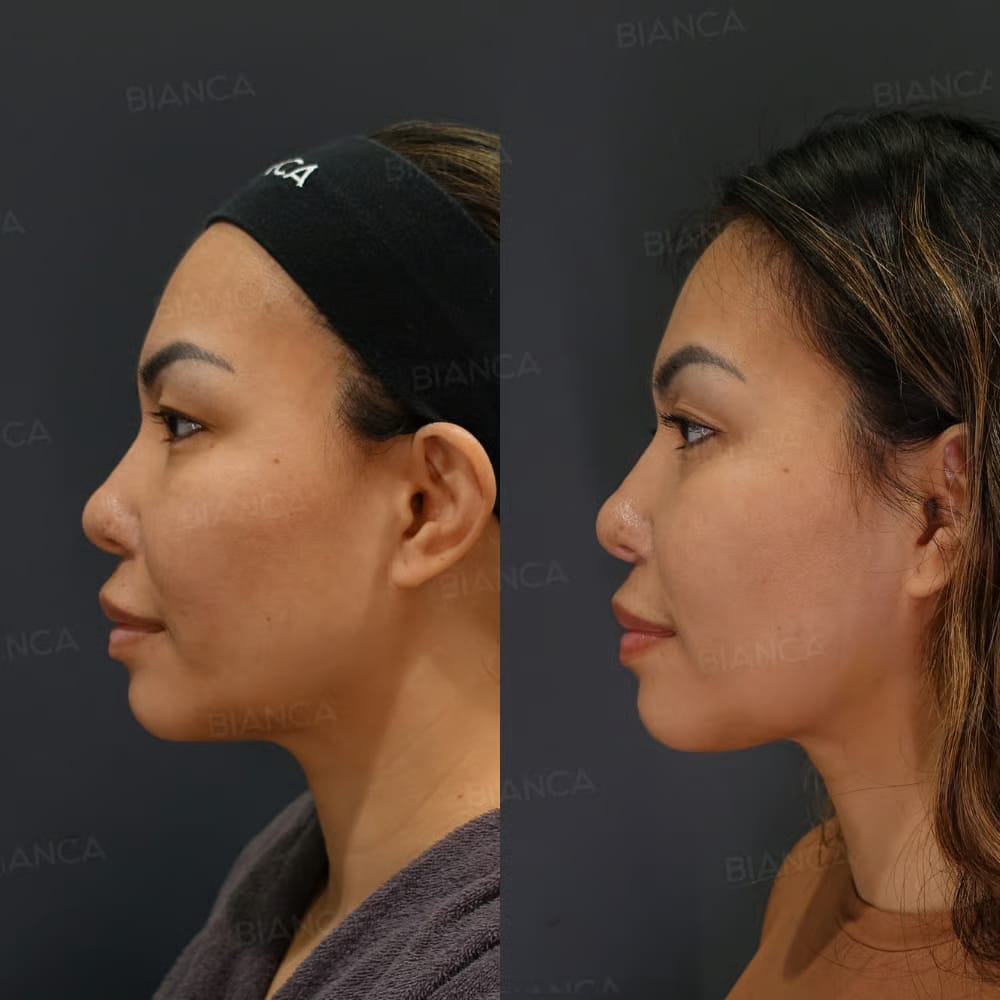
Our before and after pictures of thread face lift treatments demonstrate subtle yet visible improvements in tissue positioning. For instance, actual clinical results highlight a noticeable lifting effect in the mid-face, which effectively smooths the appearance of nasolabial folds and marionette lines while creating a more defined, slender jawline.
By analyzing these pdo thread lift before and after pictures and pcl thread lift before and after examples, patients can see how early swelling gives way to a balanced expression once the tissues settle. These documented references are valuable tools for understanding the high-quality outcomes achieved at BIANCA CLINIC Tokyo.
Recovery and Aftercare
Thread lift after care usually includes avoiding pressure on the face, heavy exercise, and strong massage for a short period after the procedure.
Patients should follow the clinic’s individual instructions, because aftercare can vary depending on the thread type, number of threads used, and treatment area. If swelling, pain, redness, or asymmetry becomes concerning, medical review is appropriate.
How Long Results Last
The duration of thread lift results varies by material, technique, and individual factors such as age, skin quality, and lifestyle. In general, PDO thread lift results may be shorter than PCL thread lift results, but exact duration differs from person to person. Thread lifts are usually discussed as a treatment with temporary effects, and repeat treatment may be considered later if appropriate.
Comparison With Other Treatments
A liquid face lift or filler face lift focuses mainly on restoring volume with injectable fillers. This can help contour the face, but it does not work in exactly the same way as a thread lift.
HIFU face lift, including Ultherapy face lift, uses ultrasound energy to target deeper layers of tissue, while RF face lift uses radiofrequency energy to stimulate the skin through heat. Laser face lift treatments generally focus more on skin quality and texture than on structural lifting.
A mini face lift before and after pictures may show a more pronounced surgical change, but surgery involves different risks, recovery, and suitability considerations. These options are not interchangeable, so treatment planning should be individualized.
View Details +
Risks and Limitations
As with any medical procedure, thread lifts have potential risks. These may include swelling, bruising, discomfort, dimpling, temporary asymmetry, infection, thread visibility, or extrusion. Rarely, sensory changes may occur.
Thread lifts are not suitable for everyone. In cases of more significant laxity, surgery may be more appropriate. A consultation is important so that the physician can assess the face, explain limitations, and discuss whether the treatment is medically reasonable.
Cost and Consultation
View Details +
At BIANCA CLINIC Tokyo, we offer transparent, competitive pricing for our premium thread lift treatments. The overall cost is determined by the specific treatment area, the type of sutures selected, and the total number of threads required to achieve your desired aesthetic goals.
Our menu includes highly requested options such as our signature BIANCA LIFT packages, custom-designed thread combinations, and advanced options like the Artemis Lift. Because our treatment plans are entirely individualized, we ensure that every patient receives a clear, upfront cost explanation during their initial assessment.
To view our complete, up-to-date breakdown of fees and package options including tax, please visit our official Price List Page.
Ready to start your facial rejuvenation journey? Secure your appointment today via our convenient online booking form (choose “English” at the top right of the page) or contact our team directly via WhatsApp for English assistance.
➡ [Book an English Consultation Now]
FAQ

Q. Do thread lifts look natural?
A. When the indication is appropriate and the design is conservative, the result may look natural rather than overly lifted.
Q. How does a thread lift compare with a surgical face lift?
A. A surgical face lift generally provides a more substantial and longer-lasting change, while a thread lift is a less invasive option with more limited effect.
Q. Can thread lifts be combined with other treatments?
A. In some cases, they may be combined with fillers, HIFU, RF, or skin-quality treatments, depending on each individual’s needs.
Q. How soon can I return to daily life?
A. Many people return to daily activities relatively soon, but bruising or swelling may remain for a short time.
Q. Does BIANCA CLINIC have thread lift cases for both male and female clients?
A. Yes, at BIANCA CLINIC Tokyo, we have an extensive gallery of thread lift results for both men and women. Our before-and-after case gallery covers a wide range of concerns, including visible improvements in the lower face, jawline definition and facial contour, for clients of all ages.
For male clients, we provide before-and-after references tailored for men, including cases involving PDO thread lifts and other facial rejuvenation examples. For female clients, our gallery showcases outcomes for both younger individuals and more mature skin types.In addition to thread lifts, we also provide face lift injection before and after cases using injectable treatments, as well as face lifting device before and after results from device-based lifting procedures, offering a comprehensive range of non-surgical thread lift options and liquid face lifts.
Before and after pictures of thread lift, including thread lift before and after images and thread lift after 3 months before and after progress documentation, are available across multiple platforms. You can view our youtube thread lift before and after videos on our YouTube channel, browse case photos on Instagram, and explore our mini face lift before and after images on our official website.
Conclusion
Thread lift before and after results demonstrate that this minimally invasive procedure can be a suitable option for those seeking a subtle improvement in facial contour with less downtime than traditional surgery. While individual outcomes vary depending on factors such as thread type, treatment area, and skin condition, the procedure may offer a temporary lifting effect and support collagen production over time. As with any medical treatment, a thorough consultation is essential to determine whether a thread lift is appropriate for each individual’s specific needs and expectations. At BIANCA CLINIC Tokyo, individualized treatment plans are provided based on a careful assessment of each individual’s condition, with clear explanations of expected results, potential side effects, and aftercare, helping those considering the procedure make informed decisions about their treatment.