


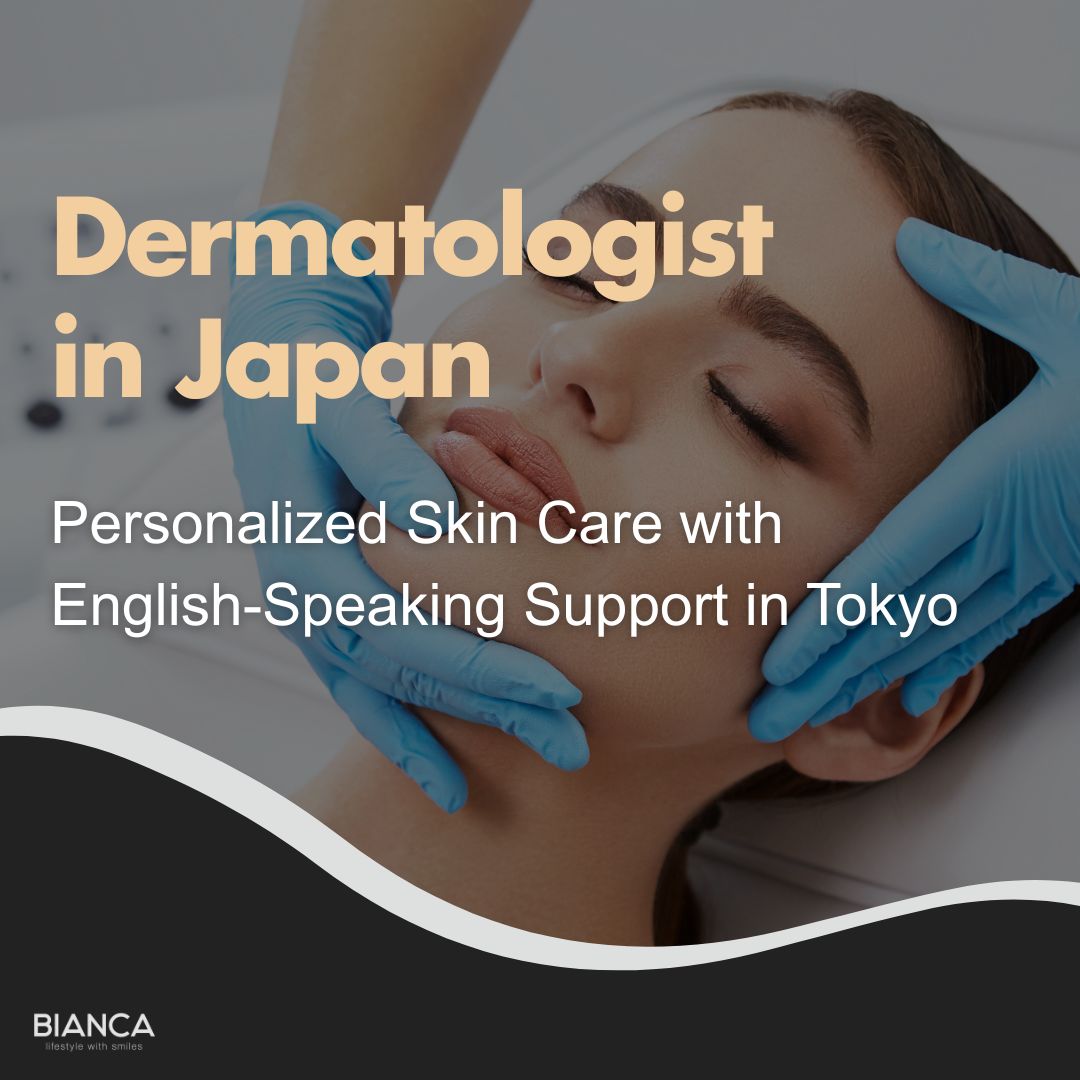
Dermatologist in Japan primarily focus on the diagnosis and treatment of skin conditions such as acne, eczema, and infections. In this field, some clinics also provide medically supervised care to improve skin quality and appearance.
Finding a dermatologist in Japan can be challenging, especially for international visitors or residents unfamiliar with the healthcare system. This article provides a professional, evidence-based overview of dermatological care in Japan from a medical perspective at BIANCA CLINIC, and how to access appropriate treatment in Tokyo.
What Does a Dermatologist Do in Japan? (Treatment Overview)

Dermatologists in Japan are medical doctors who specialize in the diagnosis and management of conditions affecting the skin, hair, and nails. Their role may include both medical treatment and, depending on the clinic, aesthetic care.
Definition and role of a dermatologist in Japan
A dermatologist is a licensed physician trained to evaluate and treat a wide range of skin-related conditions. This includes both acute and chronic concerns, as well as preventive care.
Dermatologist meaning in Japanese context
In Japan, dermatology (“hifuka”) refers to the medical field that manages conditions affecting the skin, hair, and nails.
In dermatology practice, some clinics offer treatments focused on cosmetic concerns such as pores, pigmentation, and skin texture, based on medical assessment.
Types of services available
Dermatological care in Japan primarily focuses on the medical treatment of conditions such as acne, dermatitis, and infections. In addition, some clinics also address cosmetic concerns as part of the dermatology field, providing medically supervised treatments for issues such as uneven skin tone, visible pores, and texture irregularities.
Differences from other countries
Dermatology care in Japan may differ due to variations in healthcare systems and clinical practices, including consultation style, prescription practices, and accessibility of aesthetic treatments. For example, consultation times may be shorter in some settings, and certain treatments may be approached differently depending on clinical guidelines and available technologies.
How to Choose a Dermatologist in Japan (Benefits and Considerations)

Selecting a dermatologist in Japan depends on your individual condition, treatment goals, and language preferences. Understanding these factors can help guide appropriate clinic selection.
Key factors to consider
Diverse group of elegant women embracing skin health with confidence and beauty.
- Treatment of medical skin conditions (e.g., acne, eczema, infections)
- Medically supervised approaches to cosmetic skin concerns (e.g., pores, pigmentation, texture)
Additionally, keep these practical points in mind:
- Clinical Focus: Determine whether the clinic specializes in acute medical conditions (like rashes or shingles) or aesthetic enhancements (like laser therapy and skin rejuvenation).
- Direct Access: Unlike large university hospitals in Japan, most private specialized clinics do not require a referral letter for an initial consultation.
Physician qualifications, experience, and the availability of English-speaking support may also influence your decision. In addition, treatment approach and available equipment can vary between clinics.
Benefits of seeing a dermatologist in Japan
Consulting a dermatologist allows for medical evaluation of your skin condition and access to professionally supervised treatments. Care is typically tailored to the individual, and some clinics integrate both medical and aesthetic approaches to address multiple concerns.
While many local clinics focus on basic medical prescriptions, BIANCA CLINIC integrates advanced medical technology with aesthetic expertise to offer treatment options tailored to individual skin concerns.
Considerations
Not all clinics provide English-language support, which may affect communication during consultation. Treatment plans may also differ from those in other countries, and certain conditions may require multiple visits or ongoing care.
▷To learn more about our medical team and clinical approach, please visit:
Risks, Costs, and What to Expect (Mandatory Information)

Before visiting a dermatologist in Japan, it is important to understand potential risks, costs, and the general flow of consultation and treatment.
Risks & Side Effects
Risks vary depending on the treatment provided. Common reactions may include redness, irritation, or swelling. Some procedures may involve temporary discomfort or downtime. Although uncommon, infection or pigmentation changes may occur depending on individual skin response.
Costs
Costs depend on whether the treatment is medical (covered by Japanese National Health Insurance) or cosmetic (private/out-of-pocket).
At BIANCA CLINIC, most skin-improving procedures are provided as private aesthetic treatments. For accurate pricing, please refer to our official website.
Consultation and Treatment Duration
An initial consultation generally takes around 15 to 30 minutes. Treatment duration varies depending on the selected procedure. In some cases, follow-up visits may be required for ongoing care.
Recovery and Downtime
Recovery time depends on the treatment type. Some procedures involve minimal downtime, while others may require several days for the skin to recover. Aftercare instructions are typically provided based on the treatment performed.
Frequently Asked Questions (FAQ)
Q. Can I see a dermatologist in Japan without speaking Japanese?
Some clinics offer English-speaking support. It is recommended to confirm availability in advance when making a reservation.
Q. How much does it cost to see a dermatologist in Japan?
Costs vary depending on insurance coverage and the type of treatment. Private aesthetic treatments are generally not covered by insurance.
Q. Do I need an appointment?
Many clinics require reservations, particularly for aesthetic dermatology services.
Q. Is dermatological care in Japan different from that in other countries?
There may be differences in consultation style, treatment selection, and available procedures depending on the clinic and medical system.
Q. Can tourists receive treatment in Japan?
Many clinics provide care for international patients, particularly for cosmetic skin treatments provided on a private basis.
Conclusion: Consultation and Care at BIANCA CLINIC in Tokyo
At BIANCA CLINIC, dermatological care is provided with a focus on medical assessment, individualized treatment planning, and clear communication. Our team supports both local and international patients, including English-speaking assistance, in addressing a wide range of skin concerns.
A consultation allows for a detailed evaluation of your skin condition and a discussion of appropriate treatment options based on your needs.
If you are considering seeing a dermatologist in Japan, we recommend a personalized consultation. Our English-speaking specialists will guide you according to your concerns and treatment goals.