

thumbnail

The Author

DR. YUKITARO IKEDA

  • Certified Occupational Physician by the Japan Medical Association

Dr. Yukitaro graduated from Kumamoto University School of Medicine in 2019. After training in general and emergency medicine, he transitioned to the aesthetic field in 2022, where he served as a director at a leading cosmetic clinic. He joined BIANCA CLINIC in 2024.He specializes in providing comprehensive treatments that combine aesthetic surgery with internal and dermatological medicine. He is known for performing advanced international procedures like the FOX EYE LIFT and Barbie Botox, and his expertise also includes double eyelid surgery and men's aesthetic treatments.Fluent in both Japanese and English, Dr. Yukitaro is also a Key Opinion Leader (KOL) for several aesthetic brands, and is dedicated to offering inclusive, high-quality care to patients of all backgrounds.

Descriptive Alt Text for Featured Image

Hello again, this is Dr. Yuki from BIANCA.

Today’s topic is Vitamin A! A as number one!

The Skin Benefits of Vitamin A

  • Cell Turnover: Vitamin A accelerates cell turnover, which means it helps your skin shed old, dead cells and replace them with fresh, new ones. This process not only smooths out your skin’s texture but also improves its overall tone and radiance.
  • Regulating Oil Production: Retinoids help to regulate the production of sebum, the skin’s natural oil. By keeping sebum levels in check, Vitamin A can prevent clogged pores and reduce the likelihood of acne breakouts.
  • Anti-Inflammatory: Vitamin A possesses anti-inflammatory properties that can help calm and reduce the redness and swelling associated with acne.
  • Lightening Effect: Vitamin A helps to fade hyperpigmentation and dark spots by promoting an even skin tone. It inhibits the enzyme responsible for melanin production, which can help lighten dark spots and prevent new ones from forming.

How to Incorporate Vitamin A into Your Skincare Routine

  1. Topical Retinoids
  • Creams and Serums: Look for skincare products containing retinoids (such as retinol, tretinoin, or adapalene). Start with a lower concentration to allow your skin to acclimate, and gradually increase usage as your skin builds tolerance.
  • Application Tips: Apply retinoids at night, as they can make your skin more sensitive to sunlight. Use a pea-sized amount and follow up with a moisturizer to minimize dryness and irritation.
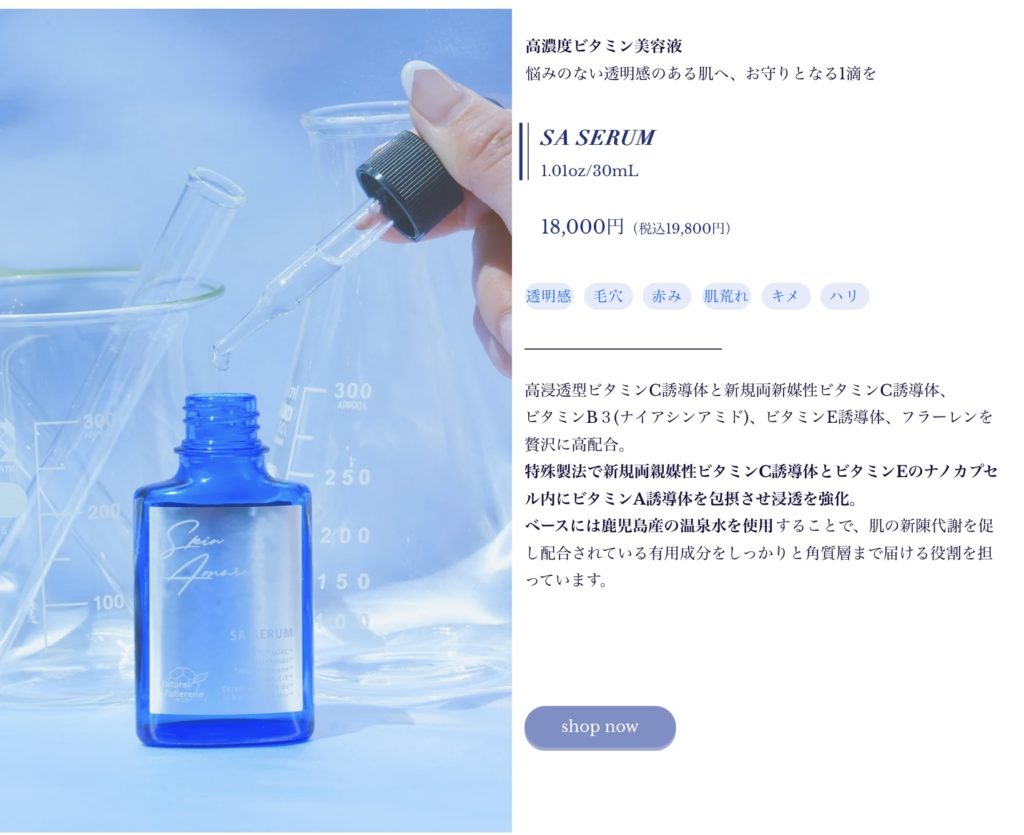
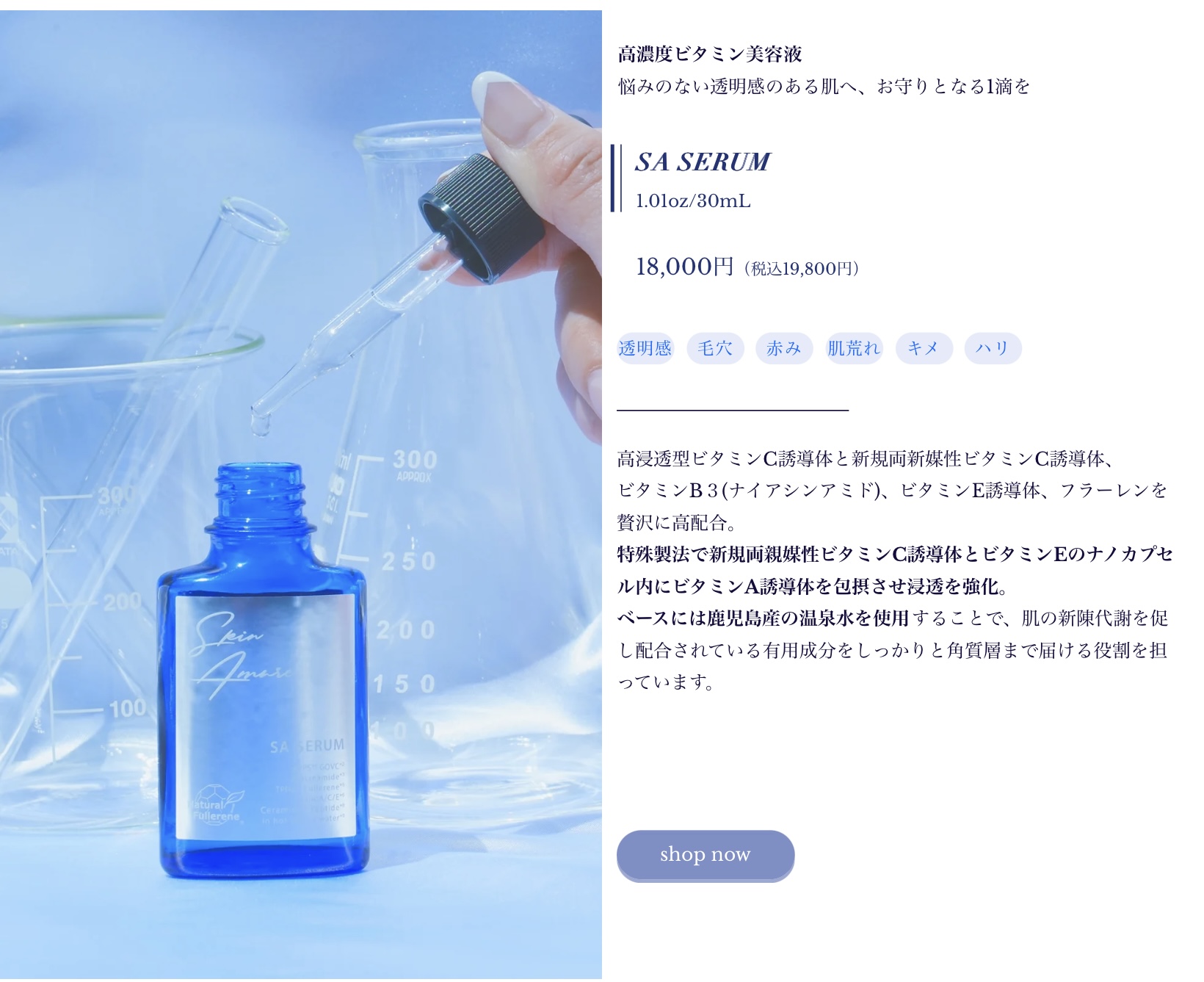
Highly recommended serum, which is produced by a professional dermatologist Dr. Iwama.

2. Dietary intake


  • Animal Products: Incorporate foods rich in retinoids such as liver, fish, and dairy products into your diet.
  • Plant-Based Foods: Consume plenty of carotenoid-rich fruits and vegetables like carrots, sweet potatoes, spinach, and kale. Your body can convert these carotenoids into active Vitamin A. Carotenoids never cause over intakes (because the transformation to Vitamin A is strictly regulated) so this is better way to intake.

Precautions!!

While Vitamin A offers numerous benefits, it’s essential to use it correctly to avoid potential side effects.

  • Sensitivity: Vitamin A can cause skin irritation, especially for those with sensitive skin. Start slowly and increase usage gradually.
  • Sun Protection: Retinoids can make your skin more susceptible to UV damage. Always use a broad-spectrum sunscreen during the day to protect your skin.


If you want to ask me more about mystery of Vitamins, feel free to ask me on IG!
https://www.instagram.com/dr.yukitaro