




Mounjaro side effects may include nausea, vomiting, reduced appetite, and fatigue.
Everyone responds differently, and some patients notice these symptoms more in the early stages of treatment.
Mounjaro is a once-weekly injectable medication containing tirzepatide.
It acts on GIP and GLP-1 receptors, helping regulate blood glucose, reduce appetite, and increase feelings of fullness.
These effects may support weight management, but they can also cause gastrointestinal discomfort in some patients.
Many symptoms are temporary.
Even so, do not stop treatment or change your dose without medical guidance.
Contact the contact your physician if you develop symptoms that concern you.
Key takeaway: The main Mounjaro side effects listed by BIANCA CLINIC are nausea, vomiting, reduced appetite, and fatigue.
Treatment should begin only after a medical consultation, and dose adjustments should always be made under physician supervision.
What Are the Most Common Mounjaro Side Effects?
Common Mounjaro side effects are mainly related to appetite and gastrointestinal function.
| Side effect | What you may notice | When to contact the clinic |
| Тошнота | Queasiness or an unsettled stomach | If symptoms persist or make eating difficult |
| Рвота | Being sick after eating or drinking | If vomiting continues or becomes difficult to manage |
| Decreased appetite | Eating less or feeling full sooner | If maintaining adequate nutrition becomes difficult |
| Fatigue | Tiredness or reduced energy | If symptoms are strong or interfere with daily activities |
| Dizziness or palpitations | Possible signs of low blood sugar | Contact a physician promptly |
This Mounjaro side effects list does not mean that everyone will experience these symptoms.
Their type, severity, and duration vary from person to person.
Why Can Gastrointestinal Symptoms Occur?
Mounjaro acts on GIP and GLP-1 receptors.
These hormones are normally released after eating and help stimulate insulin secretion when blood glucose is elevated.
GLP-1 also acts on the part of the brain involved in appetite control.
Mounjaro may slow gastrointestinal activity and help you feel full sooner.
While this can make it easier to reduce food intake, it may also contribute to side effects such as nausea, decreased appetite, or vomiting.
Feeling satisfied after a smaller meal is different from being unable to eat because of ongoing discomfort.
Contact the contact your physician if symptoms begin to affect eating, drinking, or daily activities.
When Do Mounjaro Side Effects Start, and How Long Do They Last?

The timing of side effects after the first Mounjaro dose varies.
Some patients notice gastrointestinal discomfort soon after starting treatment, while others experience few or no symptoms.
There is no fixed timeline for Mounjaro side effects that applies to everyone.
What matters most is how severe the symptoms are, how long they last, and whether they affect your overall condition.
During the First Four Weeks
At BIANCA CLINIC, treatment generally begins with an introductory dose of 2.5 mg.
This dose is continued for four weeks while the physician monitors side effects and your response to treatment.
If the medication is well tolerated, the dose may then be changed to the 5 mg maintenance dose.
This decision is not based on the calendar alone.
The physician will also consider side effects, treatment response, medical history, and blood-test results.
Patients researching Mounjaro side effects at 2.5 mg or 5 mg should keep in mind that dose alone cannot predict how an individual will respond.
After the Dose Is Increased
Some patients are particularly concerned about Mounjaro side effects when increasing dose.
A dose change can affect tolerability, which is why your condition should be reviewed before treatment is escalated.
Do not move from 2.5 mg to 5 mg or make any other dose adjustment without medical guidance.
If symptoms become difficult to manage, contact the contact the clinic rather than waiting for your next scheduled appointment.
After Stopping Mounjaro
Mounjaro may help reduce appetite while you are using it.
Once treatment stops, appetite can return, and weight regain may become more likely.
Questions about Mounjaro side effects after stopping should therefore be considered alongside long-term weight-management planning.
BIANCA CLINIC encourages patients to combine treatment with balanced eating and regular physical activity so that healthier habits can continue beyond the medication period.
Do not discontinue treatment based only on information found online.
Speak with the contact your physician first about your symptoms and treatment goals.
How to Manage Mild Mounjaro Side Effects
There is no single treatment for Mounjaro side effects that works for every client.
The right approach depends on the symptoms, their severity, your medical history, current medications, and treatment dose.
Avoid Extreme Food Restriction
Mounjaro may help you feel full after eating less.
That does not mean food intake should be reduced excessively.
Strict dieting may increase the likelihood of dizziness, fatigue, palpitations, or other symptoms associated with low blood sugar.
Aim for a balanced, sustainable eating pattern instead of combining Mounjaro with extreme calorie restriction.
If you’re unsure how to manage Mounjaro side effects keep a simple record of how much you can eat, whether you can drink normally, and how symptoms change after each injection.
Sharing these details with the contact your physician can make follow-up more useful.
Review Your Eating and Exercise Habits
Mounjaro treatment can also be a useful time to review the habits that may have contributed to previous weight gain.
To support ongoing weight management, BIANCA CLINIC recommends combining treatment with:
- A balanced and sustainable eating pattern
- Regular exercise suited to your ability
- Avoiding excessive food restriction
- Building long-term habits rather than relying on medication alone
The goal is not simply to eat less while using Mounjaro.
It is to develop habits that may help reduce the risk of weight regain after treatment ends.
Do Not Change the Dose on Your Own
If side effects occur, do not increase, reduce, or stop the medication on your own.
The physician may need to review:
- The type and severity of your symptoms
- Your current dose
- Your medical history
- Your regular medications
- Your food intake
- Your response to treatment
- Your blood-test results
The right response differs from one client to another.
Medical follow-up is therefore an important part of Mounjaro side effects management.
Which Symptoms Should Be Discussed With a Physician?
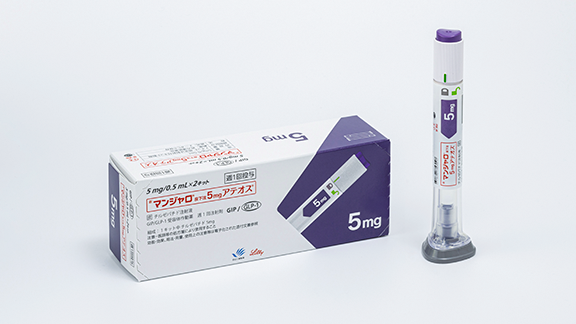
Contact the contact your physician if nausea, vomiting, reduced appetite, or fatigue becomes difficult to manage.
BIANCA CLINIC also advises patients to seek medical guidance if dizziness, fatigue, or palpitations occur.
These symptoms may be associated with low blood sugar, particularly when Mounjaro is used with another diabetes medication.
Excessive calorie restriction may also increase the risk.
Low Blood Sugar
Mounjaro mainly promotes insulin secretion when blood glucose is elevated, so the risk of low blood sugar is considered relatively low when it is used appropriately.
However, low blood sugar related to Mounjaro may become a concern when treatment is combined with extreme calorie restriction or another diabetes medication.
Possible symptoms include:
- Dizziness
- Fatigue
- Palpitations
- Weakness
If you use another diabetes medication, tell the physician before starting Mounjaro.
Do not combine or adjust diabetes medication on your own.
When Not to Wait for the Next Appointment
Many side effects are temporary, but strong or worsening symptoms should not be left until a routine follow-up.
Contact the clinic if:
- Vomiting continues
- Eating normally becomes difficult
- Fatigue interferes with daily life
- Dizziness or palpitations occur
- Symptoms worsen after a dose change
- You are considering stopping treatment because of side effects
The physician can then assess whether treatment should continue as planned or whether the treatment plan needs to be reviewed.
Who May Not Be Suitable for Mounjaro?

Mounjaro cannot be prescribed to everyone.
Suitability should be determined through a physician consultation rather than by body weight alone.
BMI and Treatment Eligibility
BIANCA CLINIC does not prescribe Mounjaro to patients who are already thin because of the risk of excessive weight loss and side effects.
The clinic’s treatment page states that eligibility is limited according to BMI.
BMI is calculated using the following formula:
Body weight in kilograms ÷ height in meters squared
Check your BMI before visiting the clinic.
Your physician will also consider your overall health, medical history, current medications, and treatment goals.
Patients Using Other Diabetes Medication
Using Mounjaro with another diabetes medication may increase the risk of low blood sugar.
Tell the physician about every medication you currently take.
Do not start, combine, reduce, or discontinue diabetes medication without medical instructions.
Patients With Severe Gastrointestinal Conditions
Because Mounjaro affects gastrointestinal function, it may not be prescribed to patients with severe gastrointestinal disorders.
If you have an existing digestive condition or ongoing gastrointestinal symptoms, mention this during your consultation.
Suitability must be assessed individually.
Mounjaro for Weight Management Without Diabetes
People researching Mounjaro side effects in non-diabetic individuals should understand how Mounjaro is regulated in Japan.
Mounjaro is approved in Japan as a treatment for type 2 diabetes.
Using it for aesthetic weight management or obesity treatment falls outside its approved indication.
People wondering about Mounjaro side effects if they are not diabetic should receive a clear explanation of the expected effects, potential side effects, treatment limitations, and alternative options before deciding whether to proceed.
If a serious adverse reaction occurs during use for an unapproved purpose, treatment may not be covered by Japan’s Adverse Drug Reaction Relief System.
Why Physician Follow-Up Matters During Mounjaro Treatment

Mounjaro is self-administered at home once a week, but treatment should not proceed without medical oversight.
Consultation and Suitability Assessment
Every Mounjaro treatment plan at BIANCA CLINIC begins with a consultation and physician examination.
The physician reviews:
- BMI
- Medical history
- Текущие лекарственные препараты
- Current health conditions
- Treatment goals
- Potential side effects
- How to use the injection device
After receiving an explanation of the medication and treatment process, patients can decide whether they wish to proceed.
Baseline Blood Testing
An initial blood test is required to assess your condition before treatment and provide a baseline for monitoring progress.
Blood testing helps physicians evaluate whether treatment is appropriate and provides a useful baseline for follow-up.
Starting With 2.5 mg
If the physician determines that treatment is appropriate, a nurse will explain how to perform the injection and assist with the first administration.
Treatment generally begins with 2.5 mg once a week.
After four weeks, the physician reviews side effects and treatment progress before considering a change to the 5 mg maintenance dose.
This step-by-step process allows the treatment plan to be adjusted to your response rather than escalating the dose without medical review.
What Should a Safe Mounjaro Treatment Program Include?
At BIANCA CLINIC, physician-guided Mounjaro treatment includes:
✓ Physician consultation
✓ BMI and medical suitability assessment
✓ Review of medical history and current medications
✓ Blood testing when appropriate
✓ Self-injection instruction
✓ Ongoing follow-up and dose adjustment
Because these steps help determine treatment suitability and support safe treatment, BIANCA CLINIC advises against obtaining Mounjaro through individual importation or unverified online sources.
Поддержка иностранных пациентов в Токио
International patients should confirm that they can communicate their medical history, current medications, and symptoms accurately.
English-speaking staff at BIANCA CLINIC provide attentive support throughout the consultation and treatment process.
They help international patients understand treatment instructions, possible side effects, the injection method, and follow-up guidance.
It is also important to consider how medical follow-up will continue after you leave Tokyo or return to your home country.
Frequently Asked Questions About Mounjaro Side Effects
Q. What are the most common Mounjaro side effects?
The most common Mounjaro side effects listed by BIANCA CLINIC are nausea, vomiting, decreased appetite, and fatigue.
Symptoms vary between individuals.
Contact the contact your physician if they become difficult to manage, prevent you from eating normally, or interfere with daily activities.
Q. How quickly do Mounjaro side effects start?
There is no fixed onset time.
Some patients notice symptoms soon after the first injection, while others experience few or no symptoms.
Record the injection date, dose, and time your symptoms began so the contact your physician can assess the pattern more accurately.
Q. How long do Mounjaro side effects usually last?
The duration of Mounjaro side effects varies from person to person.
Some symptoms are temporary and may improve as treatment continues.
If they persist, worsen, or significantly affect eating or daily life, contact the contact your physician rather than waiting for them to resolve on their own.
Q. Should I stop Mounjaro if I feel nauseous?
Do not stop Mounjaro on your own.
Mild nausea may be temporary, but persistent or worsening symptoms should be assessed by the physician.
Depending on your condition, the treatment plan or timing of a dose increase may need to be reviewed.
Q. Do Mounjaro side effects become stronger after the dose increases?
Side effects may change after a dose increase, although individual responses vary.
At BIANCA CLINIC, treatment generally begins at 2.5 mg for four weeks before side effects and treatment response are reviewed.
Do not increase the dose without physician guidance.
Q. Can Mounjaro cause low blood sugar?
The risk is considered relatively low because Mounjaro mainly promotes insulin secretion when blood glucose is elevated.
However, low blood sugar may occur when it is combined with extreme food restriction or another diabetes medication.
Report dizziness, fatigue, or palpitations to a physician.
Q. Can people without diabetes experience Mounjaro side effects?
Да.
People using Mounjaro for weight management may experience nausea, vomiting, decreased appetite, or fatigue.
In Japan, Mounjaro is approved for type 2 diabetes, while use for aesthetic weight management falls outside its approved indication.
Q. Why is medical follow-up important during Mounjaro treatment?
Medical follow-up allows the physician to review side effects, blood-test results, treatment progress, and whether a dose change is appropriate.
It also gives patients a clear point of contact if symptoms become difficult to manage after treatment begins.
Заключение
The main Mounjaro side effects described by BIANCA CLINIC are nausea, vomiting, decreased appetite, and fatigue.
Symptoms associated with low blood sugar, such as dizziness, fatigue, and palpitations, may also occur when treatment is combined with extreme food restriction or another diabetes medication.
Do not change the dose or stop treatment on your own.
At BIANCA CLINIC, treatment includes a physician consultation, initial blood testing, injection guidance, and a review of side effects before dose escalation.
The clinic also supports patients in building healthier eating and exercise habits that may help maintain weight-management progress after Mounjaro is discontinued.
English-speaking staff provide attentive assistance to international patients receiving treatment in Tokyo.
Learn more about Mounjaro treatment at BIANCA CLINIC and book a consultation to discuss suitability and medical follow-up.
▶For physician-guided Mounjaro treatment in Tokyo, visit BIANCA CLINIC.