




A deep plane facelift is a surgical procedure that repositions deeper facial tissues to address sagging in the cheeks and lower face.
It involves working beneath the superficial musculoaponeurotic system (SMAS) and releasing selected retaining ligaments so that the tissues can be lifted and secured in a new position.
Unlike techniques that focus primarily on tightening the skin, a deep plane facelift works with deeper supporting tissues.
It may be considered for concerns involving the cheeks, midface, and jawline, but whether it is appropriate depends on each patient’s facial anatomy, goals, and medical assessment.
If you are considering a facelift, the more useful questions are personal:
What has changed in your face? Which changes bother you? And what would surgery realistically improve? Understanding the procedure is the first step toward a consultation where those questions can be answered.
For an overview of the procedure, treatment options, and recovery at BIANCA CLINIC, visit our Deep Plane Facelift page.
What Is a Deep Plane Facelift?

Left: Before surgery | Right: 1 month after surgery
Side Effects / Risks
Infection, hematoma, wound dehiscence, facial nerve paralysis, and others
Стоимость
JPY 1,870,000
“Deep plane” describes the anatomical layer used during part of the operation.
To understand why it matters, it helps to look beyond the skin.
Understanding the SMAS and Facial Retaining Ligaments
The SMAS is a supporting tissue layer beneath the skin and subcutaneous fat. Facial retaining ligaments help anchor the soft tissues to deeper structures.
These structures matter because facial aging involves more than loose skin.
Changes in tissue position, volume, and support can alter the cheeks, mouth area, and jawline.
Simply noticing a fold or an area of fullness does not reveal which of these factors is responsible.
How Releasing and Repositioning Tissue Creates a Lift
During a deep plane facelift, selected retaining ligaments are released to allow the overlying tissues to move.
The surgeon repositions and secures these tissues, then adjusts excess skin.
The aim is to redistribute support rather than rely on skin tension alone. However, the name of the technique does not guarantee a natural result.
Surgical planning, the extent of tissue release, the direction of lifting, and individual healing all matter.
BIANCA takes overall facial balance into account when repositioning tissue.
How Does a Deep Plane Facelift Differ from Other Facelift Types?
Comparing facelift techniques can become confusing because different surgeons may use different terminology.
Start with what each procedure does to the tissues.
Skin-Only, SMAS Plication, SMAS Flap, and Deep Plane Techniques
A useful comparison distinguishes between tightening the skin, folding the SMAS, raising a SMAS flap, and working beneath the SMAS with ligament release.
| Technique | General approach |
|---|---|
| Skin-only facelift | Repositions skin without directly lifting the SMAS |
| SMAS plication | Folds and sutures the SMAS to tighten it |
| SMAS flap technique | Elevates and repositions a flap of SMAS tissue |
| Глубокая плоскостная подтяжка лица | Works beneath the SMAS and releases selected retaining ligaments to mobilize tissues |
These are broad descriptions. The actual operation may involve modifications, and “SMAS facelift” is sometimes used as an umbrella term.
A deep plane facelift also involves the SMAS; it is not an entirely separate alternative to every SMAS-based operation.
Choosing a Technique Based on Your Face, Not Its Name
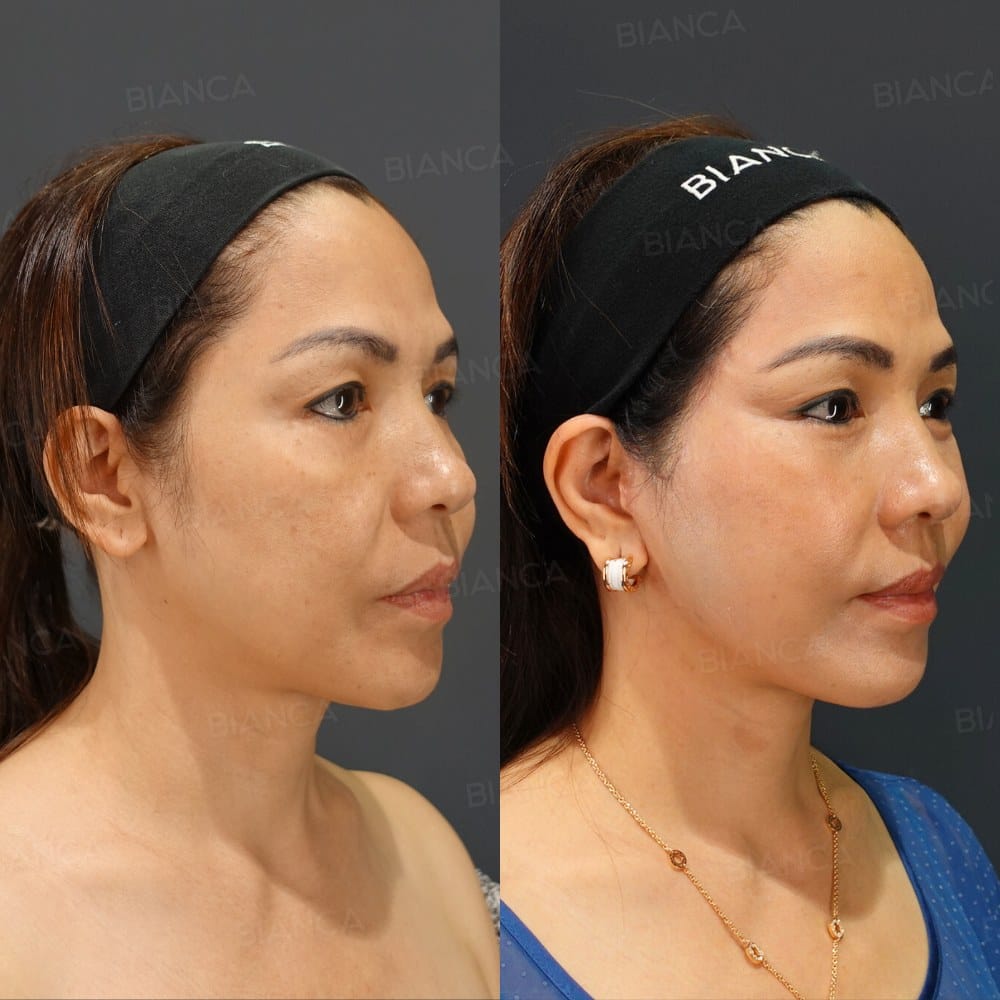
When comparing proposals, ask the surgeon to connect the technique to your concern.
If your main concern is the cheek, why is that particular approach recommended?
If it is the jawline, what contributes to the loss of definition? If you have had surgery before, how does that affect the plan?
A clear explanation should make sense without relying on words such as “advanced” or “powerful.”
You should understand what the surgeon intends to change, what will remain, and why the proposed extent of surgery is appropriate.
If you are still comparing surgical lifting options, explore BIANCA CLINIC’s Face Lift treatments to learn about different approaches to facial sagging.
What Can a Deep Plane Facelift Improve—and What Are Its Limits?

Before discussing how much lifting is possible, identify what you want to look different.
“I want to look younger” is a starting point, but a more specific goal makes the consultation more useful.
Changes in the Cheeks, Lower Face, and Jawline
Bring attention to the areas that bother you: a lower cheek position, heaviness beside the mouth, or a less distinct jawline.
Ask which changes the proposed operation is designed to address.
For folds around the mouth, ask whether the goal is softening rather than complete removal.
A result can be worthwhile even when a line remains. What matters is whether the expected change matches your reason for considering surgery.
If sagging along the jawline is your main concern, learn more about BIANCA CLINIC’s approach to jowls and jawline sagging.
When to Consider a Deep Plane Facelift and Neck Lift
If your concern continues below the jaw, discuss the face and neck together.
BIANCA may recommend a neck lift alongside a deep plane facelift when appropriate.
Do not assume that “facelift” automatically includes every neck procedure.
Ask what is included in your plan, whether additional incisions are proposed, and how an added procedure would affect recovery and cost.
What a Facelift Cannot Address on Its Own
Separate your concerns into tissue position, facial volume, and skin quality.
Then ask which belong within the scope of your operation.
For example, if your main frustration is skin texture, ask how much improvement you should expect from lifting alone.
If it is a hollow area, ask whether repositioning tissue will address it.
This helps avoid expecting one operation to solve several different problems.
How BIANCA CLINIC Plans Your Deep Plane Facelift
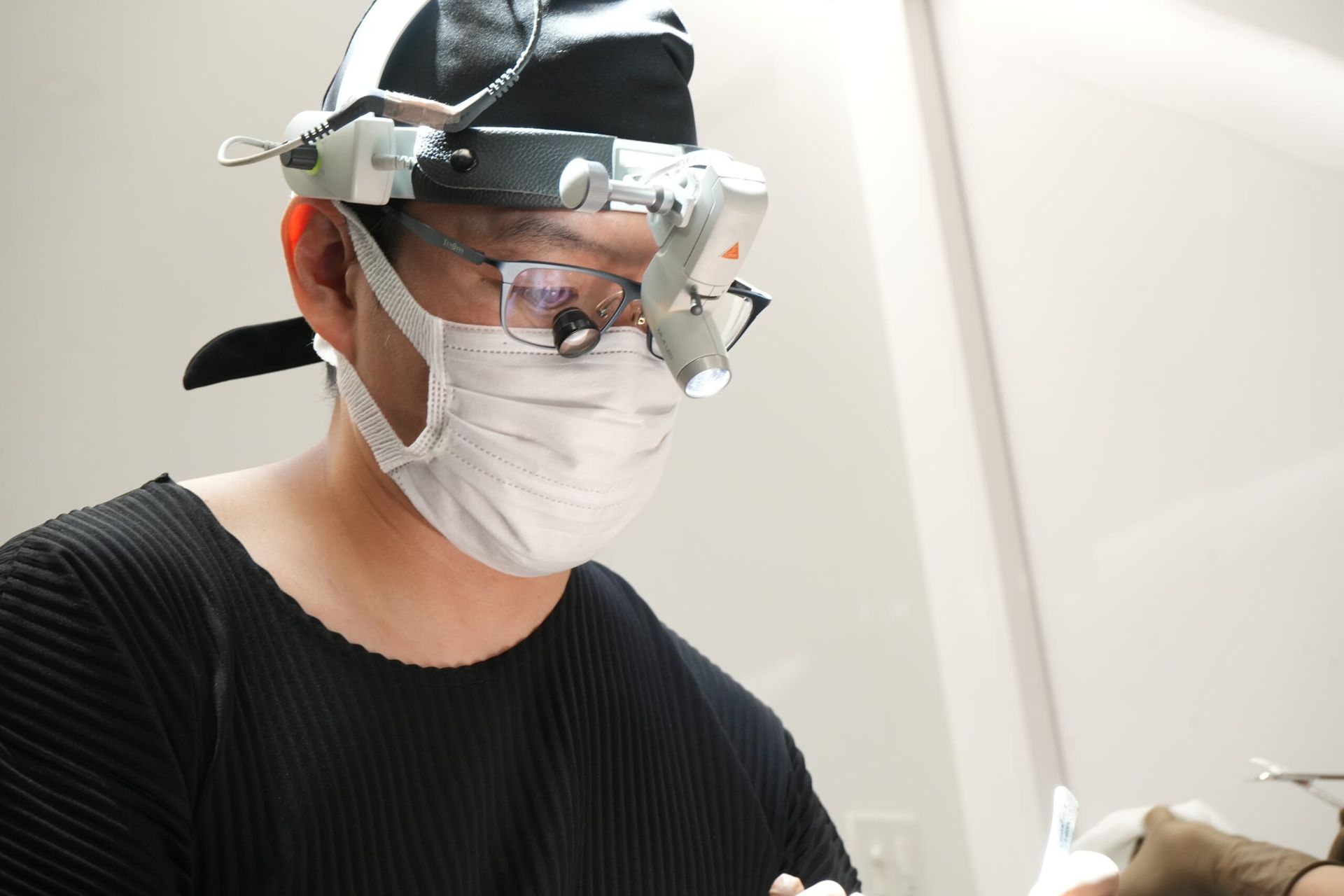
At BIANCA, planning includes an assessment of facial structure, sagging, and the changes the patient hopes to achieve.
The consultation is an opportunity to examine those goals in detail—not simply select a procedure from a menu.
Tailoring the Surgical Plan to Your Facial Structure and Goals
BIANCA CLINIC assesses facial structure, sagging, and the patient’s desired changes when planning a deep plane facelift.
During the consultation, discuss your expectations, the anticipated results, potential risks, and recovery period with your surgeon.
Considering the Balance Between the Face and Neck
When discussing a combined plan, ask to review the intended result from the front, side, and an oblique angle.
This gives you a clearer way to discuss the transition from the cheeks to the jawline and neck.
You do not need to decide in advance which combination of operations to request. Bring your concerns and ask the surgeon to explain the options.
Attention to Incisions, Suturing, and Surgical Visibility
At BIANCA CLINIC, endoscopic assistance is available as an optional addition to a deep plane facelift, depending on the surgical plan.
The surgeon considers each patient’s facial structure, degree of sagging, and aesthetic goals when planning the procedure, including incision placement and the extent of tissue release.
What Should You Expect from Surgery and Recovery?
Recovery planning deserves as much attention as the result.
In particular, distinguish between being ready for a postoperative appointment, returning to work, and feeling comfortable at a social event.
Anesthesia, Surgery, and Early Aftercare
A deep plane facelift takes approximately 5 hours. If additional procedures are performed, the operation may take around 6 hours.
After surgery, drains are inserted to help prevent blood from accumulating, and a face band is applied for compression.
Hair washing is possible from day 3, and stitches are typically removed around day 7. The face band should be worn continuously until the stitches are removed.
Before surgery, ask your surgeon about anesthesia, postoperative arrangements, and whether you will need someone to accompany you.
Knowing what to expect during the first evening and following days can help you prepare accommodation and practical support.
Swelling, Bruising, and the Time Needed to Settle
Swelling after a deep plane facelift typically lasts around 2 weeks, although some residual puffiness may persist for up to 1 month.
Bruising also typically lasts around 2 weeks and may extend to the neck or collarbone area due to gravity.
Recovery varies from person to person, so these timeframes should be treated as general guidelines rather than guarantees.
Deep plane facelift recovery photos can help you form questions, but they should not become a personal deadline.
Ask when each photograph was taken and whether other procedures were performed.
For your own schedule, discuss separate milestones: desk work, video calls, exercise, travel, and an important event.
If an appearance matters to you, tell the surgeon the date rather than asking only, “When can I go back to normal?”
Risks and Postoperative Follow-Up
Risks include bleeding or hematoma, infection, wound-healing problems, scarring, asymmetry, altered sensation, and facial nerve injury.
BIANCA provides postoperative follow-up and care instructions.
Before surgery, make sure you understand whom to contact, which symptoms require urgent assessment, and where to seek care outside clinic hours. Keep those instructions somewhere you can access easily.
Explore the Deep Plane Facelift at BIANCA CLINIC for procedure details, before-and-after cases, and current pricing.
Planning Your Deep Plane Facelift in Tokyo

For patients traveling to Japan, a surgical plan also needs a workable travel plan.
Set the medical schedule first, then organize the trip around it.
What to Discuss Before Traveling to Japan
Prepare a list of previous facial procedures, including surgery, threads, and injections.
Include approximate dates when available.
Share your medical conditions, medications, supplements, allergies, and smoking history.
Tell the clinic how long you can stay and whether your dates are flexible. An early conversation about constraints is more useful than discovering a conflict after making reservations.
Confirming Your Stay, Follow-Up Visits, and Return Flight
Confirm when you need to attend the clinic before and after surgery.
Ask how the return-flight decision will be made and what would happen if your stay needed to be extended.
Also agree on how to contact the clinic after returning home. Clarify what can be assessed remotely and what would require an examination.
Understanding Your Treatment Plan and Total Cost
If you began by searching “deep plane facelift cost near me,” comparing an overseas option requires more than converting a price into your home currency.
Request an itemized estimate and ask whether it includes:
- Surgeon and anesthesia fees
- Facility charges
- Optional endoscopic assistance, if recommended
- Additional face or neck procedures
- Medication and postoperative visits
Budget separately for accommodation, transport, and possible changes to travel dates.
To learn more about BIANCA CLINIC’s deep plane facelift, including available options and pricing, visit the official procedure page.
Frequently Asked Questions About Deep Plane Facelifts
These questions can help you prepare for a consultation. The answers for your own operation should be confirmed with your surgeon.
How Long Do Deep Plane Facelift Results Last?
A deep plane facelift is designed to provide long-lasting improvement in facial sagging, but it does not stop the natural aging process.
How long the results remain noticeable varies with factors such as facial anatomy, skin quality, the surgical technique, and individual aging.
Your surgeon can explain what results may be realistic in your case and what changes may occur over time.
Can You Have a Deep Plane Facelift More Than Once?
There is no useful universal number for planning repeat surgery.
A previous operation needs individual assessment.
Bring the operative report if you have it, and ask how existing scars, tissue condition, and the earlier technique affect your options.
Will I Need a Neck Lift as Well?
Ask whether the concern you see below the jaw is included in the proposed facelift or requires an additional procedure.
Request a clear explanation of the expected benefit, added recovery, and cost before agreeing to a combined plan.
How Should I Prepare for Surgery?
Follow your surgeon’s instructions regarding medications, supplements, smoking, and eating and drinking before surgery.
Arrange transportation and postoperative support in advance, and make sure you understand your aftercare plan.
If you are traveling to Japan, confirm your stay and follow-up schedule with the clinic before booking your trip.
When Can I Return to Work and Social Activities?
Give the surgeon details of your work and planned activities.
Working from home, lifting at work, and attending a photographed event involve different demands.
Ask for individualized guidance and leave flexibility rather than treating an estimated recovery date as a guarantee.
Is a Deep Plane Facelift Right for You? Start with a Consultation at BIANCA
Understanding the technique gives you a better starting point. The next step is finding out whether it addresses the changes that matter to you.
At your consultation, discuss your priorities, previous treatment history, and questions about recovery.
Ask for a plan you can explain in your own words: what will be treated, why that approach is recommended, and what limitations remain.
Explore BIANCA’s Deep Plane Facelift page to learn more and take the next step toward a consultation in Tokyo.