


Hi, this is Dr. Yuki! How long have you been in Japan, and how many summers have you survived? Japan is no stranger to extreme weather conditions, and in recent years, the country has faced increasing concerns over “heat shock” or 熱中症 (netchūshō), a serious health risk that comes with Japan’s sweltering summer months. Understanding heat shock is essential, not just for those living in Japan, but for visitors as well.
Why is Japan Particularly Vulnerable?
Several factors contribute to the heightened risk of heat shock in Japan:
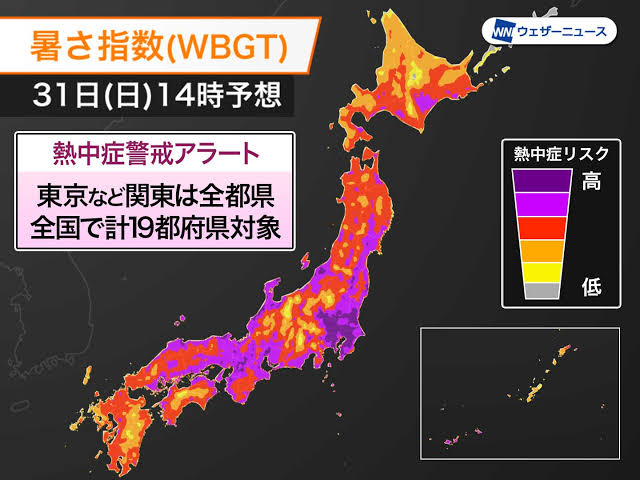
- Climate: Japan’s summer is characterized by high humidity and temperatures often exceeding 35°C (95°F). The combination of heat and humidity makes it difficult for the body to cool down through sweating, increasing the risk of heat shock.
- Aging Population: Japan has one of the oldest populations in the world, and elderly individuals are particularly vulnerable to heat shock. Their bodies may not regulate temperature as effectively, and they might be less aware of the need to stay hydrated and cool.
- Urban Heat Islands: Major cities like Tokyo and Osaka are prone to the “urban heat island” effect, where concrete, asphalt, and buildings absorb and retain heat, leading to even higher temperatures in densely populated areas.
- Cultural Factors: Traditional Japanese homes are often built for ventilation rather than insulation, which can make them hot during summer. Additionally, some older residents may avoid using air conditioning to save on electricity costs, increasing their risk of heat shock.
Symptoms and Prevention
Recognizing Symptoms:
- Dizziness or fainting
- Excessive sweating followed by dry skin
- Muscle cramps or weakness
- Headache or confusion
- Nausea or vomiting
Prevention Tips:
- Stay Hydrated: Drink water regularly, even if you don’t feel thirsty. Avoid alcohol and caffeine as they can contribute to dehydration.
- Use Air Conditioning: Don’t hesitate to use air conditioning or fans to stay cool. Public cooling centers are also available in many cities.
- Avoid Peak Heat Hours: Try to stay indoors during the hottest part of the day, typically between 11 AM and 3 PM.
Survive the heat and enjoy the summer!
Dr. YUKI(https://www.instagram.com/dr.yukitaro)