

Upper Blepharoplasty for Bright and Confident Eyes in Tokyo
Upper blepharoplasty in Tokyo can be an incredibly successful way to achieve illuminating and refreshed eyes. It works by carefully removing excess eyelid skin and shaping a natural crease that helps eyes look open and rested. If you live in Tokyo or are searching for a trusted clinic “near me”, this informative guide explains the upper blepharoplasty technique, what recovery looks like, and how to choose a safe medical team. Written in friendly, plain English, we at BIANCA CLINIC in Tokyo, hope that it balances expert precision with patient warmth – something that epitomizes the way we view our medical spa. Read on to find out more.
What Is Upper Blepharoplasty?
Upper blepharoplasty is a precise eyelid surgery that reduces hooding, heaviness, and fine wrinkles on the upper lids. If you are going for this procedure, the incision follows your natural eyelid crease, so that the thin scar hides when your eyes are open. What’s more, for some people, it can also improve the upper field of vision by lifting skin that droops over the lashes. Let’s take a look at some more benefits:
- Brighter, less tired-looking eyes with a natural crease.
- Improved symmetry when one lid is heavier than the other.
- Potentially wider visual field if overhanging skin interferes with sight.
- A refreshed look that still feels unmistakably you.
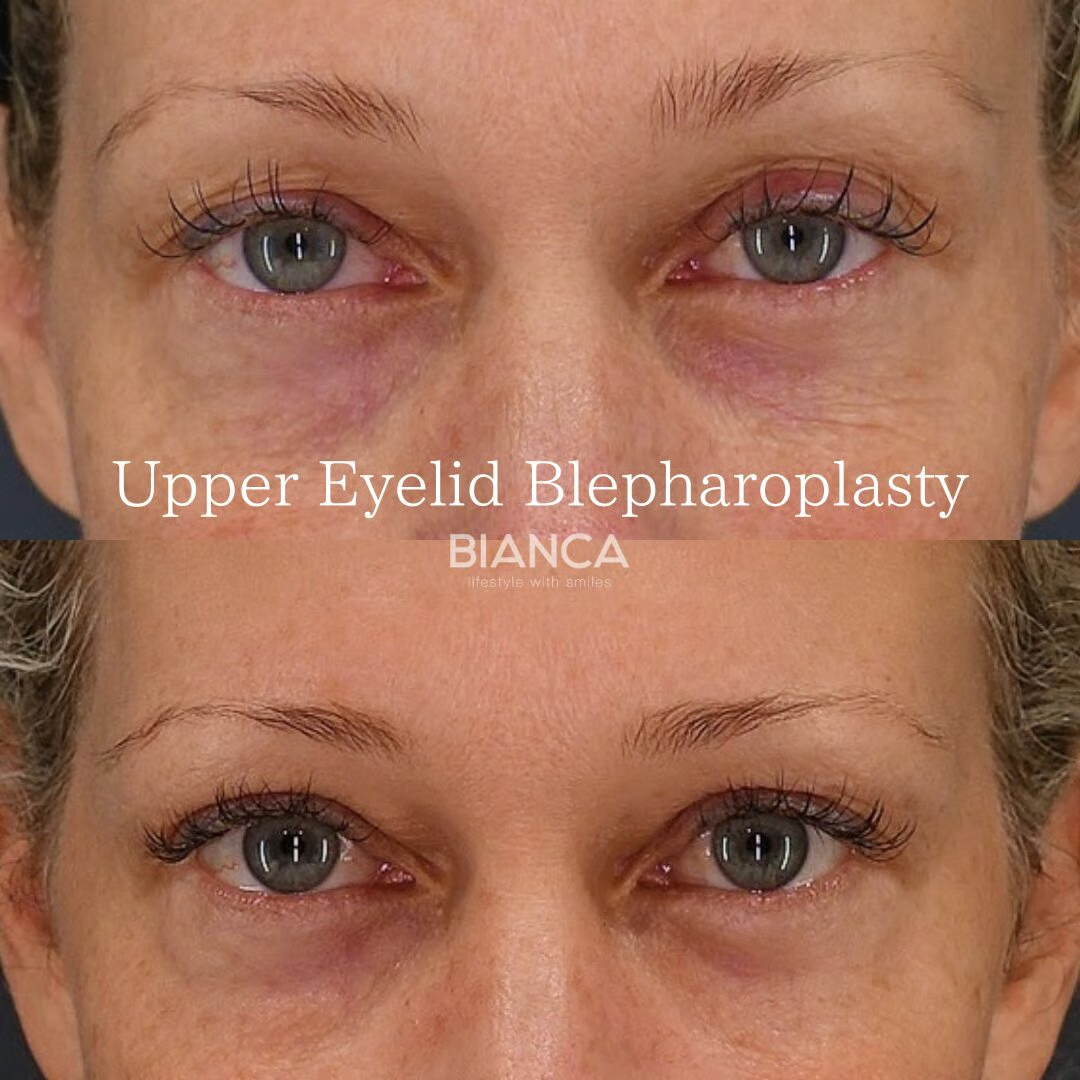
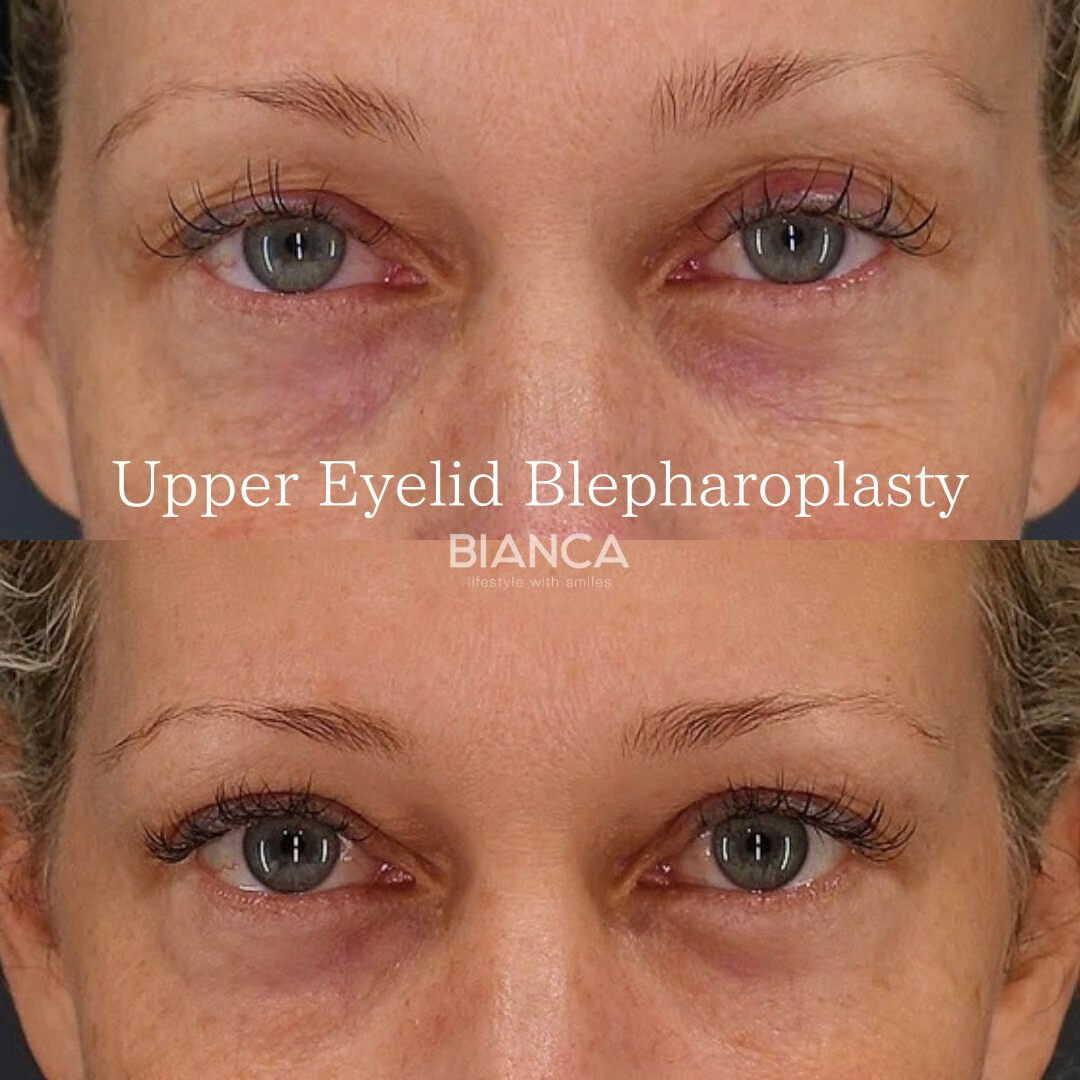
Treatment: Upper eyelid sagging removal, CRF (under eye, golgo line)
Left: before, Right: after
Cost: Upper eyelid sagging removal 360,580¥, CRF under eye 121,000¥ + Fat Extraction and Processing 242,000¥
Risks: Swelling, bruising, scarring, asymmetry, hematoma…
Is Upper Blepharoplasty The Right Treatment for Me in Tokyo?
Good candidates are generally healthy adults with realistic goals, stable vision, and no active eye surface disease. When you are exploring options in Tokyo or comparing clinics near me, a thorough consultation at the beginning of your treatment will ensure the plan fits your anatomy and lifestyle. On the other hand, people with severe dry eyes, bleeding disorders, or poorly controlled medical conditions may need special planning or deferred treatment.
How The Upper Blepharoplasty Procedure Works: A Step-by-Step Guide in Tokyo
Consultation and Planning
Your surgeon maps your eyelid crease, skin excess, and brow position. Photos are then taken to help assist, guide and design your upper blepharoplasty operation. At a reputable Tokyo clinic, this will also coincidently be the start of your before and after documentation. They will review medications, allergies, and any prior eyelid, sinus, or laser treatments you may have had. It’s important to know that the plan is customized for a subtle, balanced result that suits your face, so have a detailed and honest discussion during consultation for added peace of mind about upper blepharoplasty treatment.
Marking and Anesthesia
Then your eyelid crease is marked while you are sitting up in the operating room. Local anesthesia numbs the area with light sedation added for extra comfort. Most procedures take around 45–90 minutes and are performed as a day surgery only (meaning you get to go home on the same day).
Incision and Tissue Refinement
A fine incision is made in the (planned) crease, and the excess skin is trimmed conservatively around your eyelid. Small pockets of fat can now be gently removed or repositioned to soften hollowing. If needed, a thin strip of muscle is tailored to refine the fold and bleeding is carefully controlled to limit bruising, which in turn, will speed up recovery.
Closing and Immediate Care
Ultra-fine sutures close the skin, while being shaped to smooth your new crease. Ointment is applied, and after a short rest, you can go back to your home or hotel. Written instructions and contact details must always be provided at this point to ensure patient aftercare is supportive.
Recovery and Aftercare
Plan a calm first week because the worst thing you can do is increase your stress levels after an invasive, surgical procedure. We recommend sleeping with your head elevated and using cold compresses for the first 48 hours as well. Another thing to watch out for is hygiene, so we ask all patients to keep the area as clean as possible and avoid rubbing. If you have any specific guidance from your surgeon after upper blepharoplasty, follow it. Make a schedule for eye drops or ointment as directed too and protect the lids from the sun with sunglasses and SPF50+, even after the skin seals. Here is a summary of recovery for an upper blepharoplasty procedure in an easy-to-understand working flow:
- Days 1–2: You might have swelling and mild tightness at this point. Use cold compresses 10 minutes on/10 minutes off while awake to ease tension.
- Days 3–7: Bruising usually peaks by the third day then fades by the seventh day. Most people can read, work remotely, and walk outdoors comfortably from this point on as well.
- Days 5–7: Your suture removal (if non-absorbable sutures were used) does largely depend on patient metabolism, and your speed of recovery. Nowadays, upper blepharoplasty can be done with absorbable sutures (for an extra cost), so do inquire with your medical provider.
- Week 2: Light exercise can resume at this point but do avoid heavy lifting. Many patients return to social events from this point on as well, just use a concealer or foundation to hide any marks (if present).
- Weeks 3–6: This is the peak of your upper blepharoplasty treatment with subtle results becoming very much evident. The eye crease also refines itself, and the scar line fades into the fold, leaving a stunning appearance.
Safety and Risks with Upper Blepharoplasty in Tokyo
As with most invasive procedures, temporary swelling, bruising, dryness, or mild asymmetry can occasionally occur. Less common risks include infection, delayed healing, visible scarring, or the need for a touch-up. That said, at BIANCA CLINIC, we reduce risks through careful measurements, conservative tissue removal, sterile technique, and clear aftercare instructions. All clinics in Tokyo should do this, and at the same time, provide emergency details should something not go according to the plan. In that case, you should call your clinic promptly, especially when you have increasing pain, sudden vision changes, or significant bleeding.
What Realistic Upper Blepharoplasty Results Look Like in Tokyo
All in all, your before and after images are the one true way to literally “see” the difference (pardon the pun). But you should expect a rested, natural appearance rather than a dramatic change in most reputable Tokyo clinics. The majority of people feel “camera-ready” in 10–14 days though, with refinement continuing for 6–12 weeks. The thin scar hides in the crease succinctly, and makeup can usually be applied more smoothly after your upper blepharoplasty procedure, adding another trick to conceal your scar at this early and visible stage.
Choosing an Experienced Upper Blepharoplasty Specialist Near Me in Tokyo
When looking for a board-certified plastic or oculoplastic surgeon who performs upper blepharoplasty regularly, always review their unedited photos, ask about complication rates and revision policy, while confirming that instructions are provided in a language you understand. Here is BIANCA CLINIC’s top 4 questions you should be asking yourself when deciding on a Tokyo clinic near me for upper blepharoplasty:
- Do they have a certification or upper blepharoplasty-focused expertise?
- Do they use clear, photo-documented planning and honest, natural-looking before and after results?
- Do they work out fees in a transparent manner with written consent, and accessible follow-up?
- Do they have comfortable communication, whether in Tokyo or at a clinic near me?
Costs and Scheduling for Upper Blepharoplasty in Tokyo
Fees unfortunately vary quite a bit with upper blepharoplasty. The main culprits for price fluctuation would be surgeon expertise, facility type, anesthesia, and whether related procedures (like brow lift) are combined with upper blepharoplasty. In Tokyo, reputable clinics provide a detailed quote after your consultation and/or examination. But if you are more concerned with location and comparing options near me, prioritize training and safety over price alone. Lastly, if you need language assistance and weighing up your choices, we often suggest that patients ask for a plain-English summary of what is included in their upper blepharoplasty procedure after consultation. This is because you can effectively use that to compare other services being offered elsewhere, and to ensure there are no unwanted surprises at the end of your treatment.
Upper Blepharoplasty is a Precise Procedure with a Huge Payoff in Tokyo
If you are struggling with any of the following eye issues, sagging, drooping or hooded eyes, then upper blepharoplasty is the procedure for you. It is not only a finely tuned operation that refreshes your expression while preserving your unique features but can now be done effectively “near me”, all around Tokyo. So, if you are in Tokyo or searching for a skilled team near me, schedule a thorough consultation to receive a tailored plan, step-by-step support, and calm, attentive aftercare for your upper blepharoplasty procedure. If you choose to have your treatment with us at BIANCA CLINIC in Tokyo, we look forward to hearing from you.
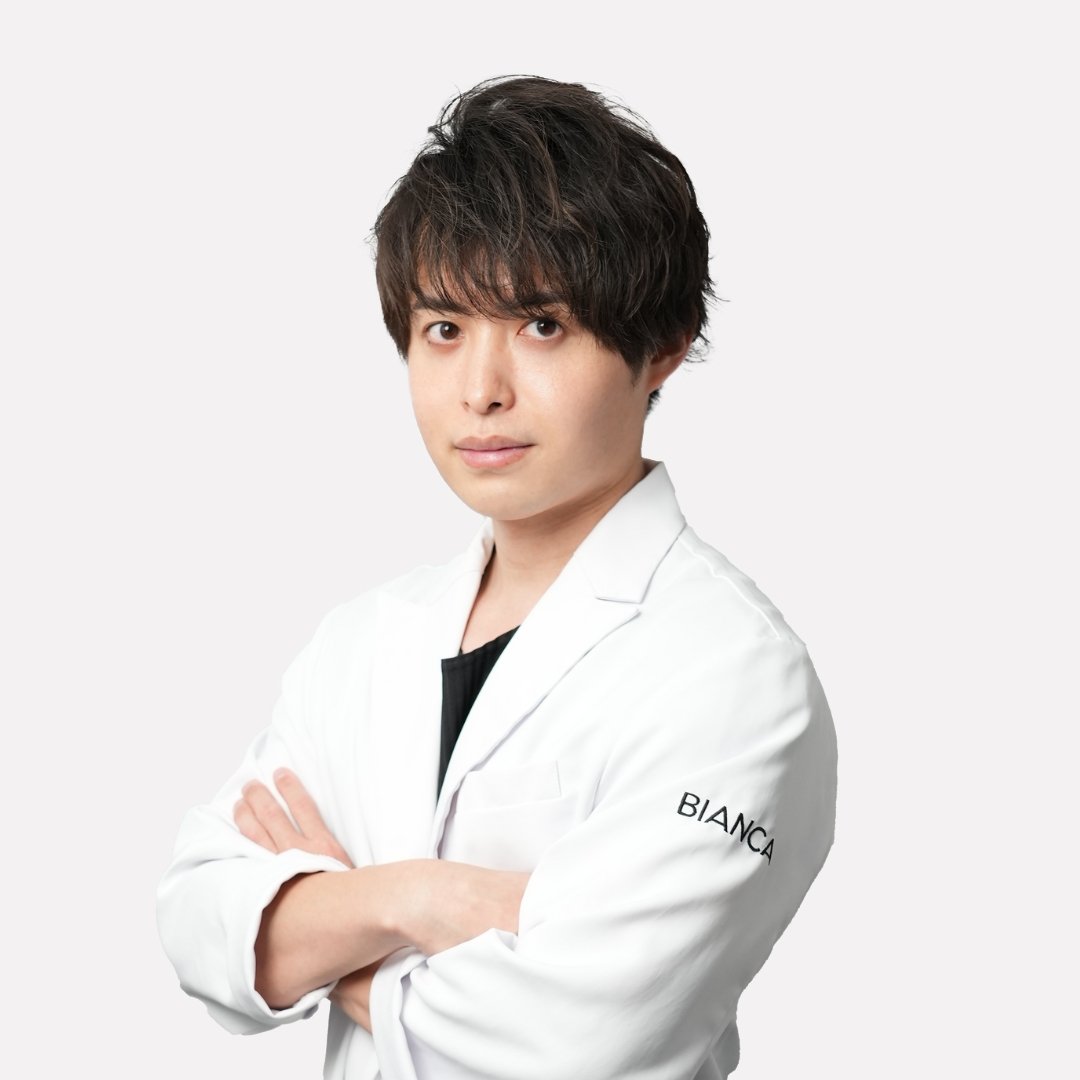
Biography
Board-Certified Plastic Surgeon
Masataka Fujihashi, MD
(Japan Society of Plastic and Reconstructive Surgery)
As a board-certified plastic surgeon, Dr. Masataka Fujihashi has extensive experience in trauma, reconstructive surgery, and congenital conditions, through which he has developed highly precise surgical techniques and a deep understanding of anatomy.
Believing that changes in appearance can positively impact one’s mindset, he pursued a career in aesthetic surgery to bring that transformative power to his patients. His areas of expertise include periocular procedures, injectable treatments, and anti-aging/lifting treatments.
With a patient-centered approach grounded in sincerity, he is committed to delivering refined, aesthetically focused results tailored to each individual’s goals.