
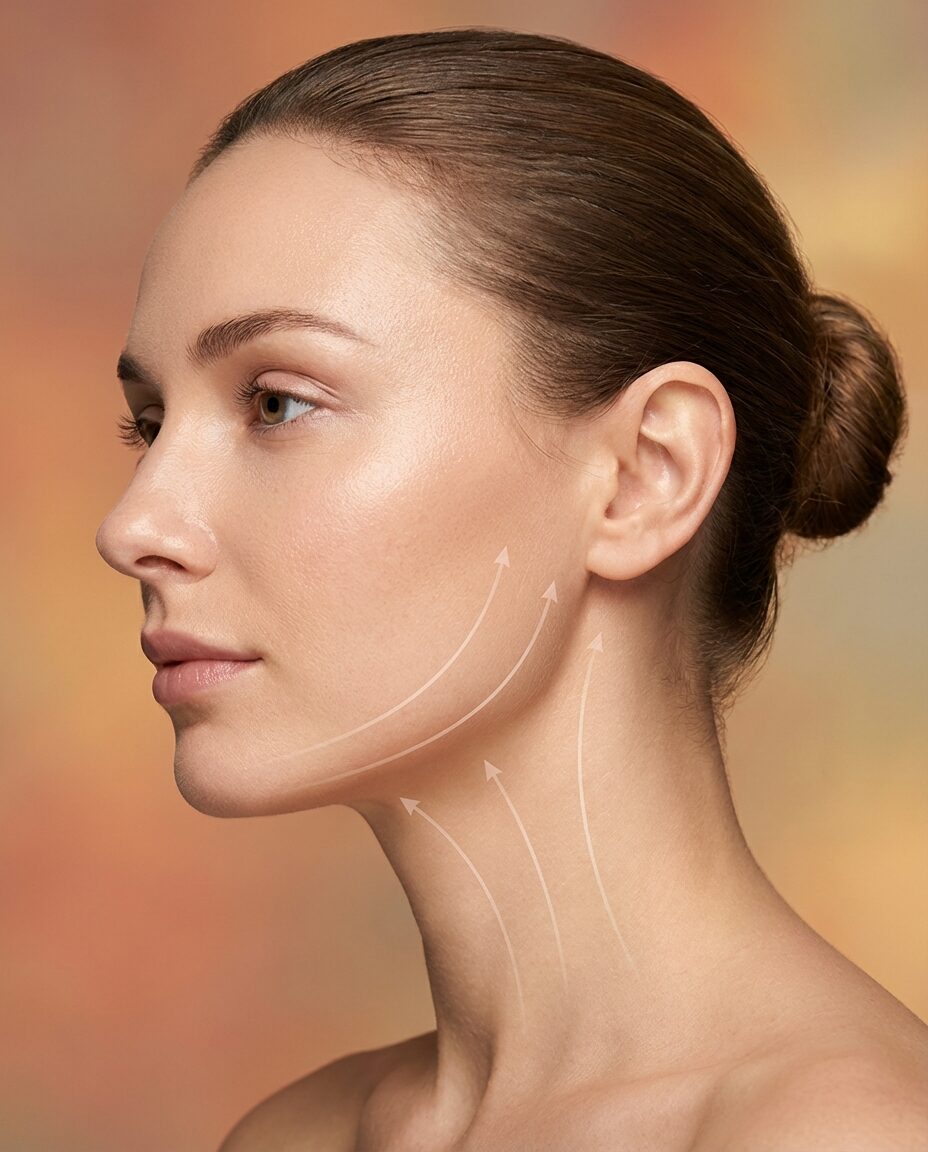
Mewing, which is a form of tongue posture training, has been gaining rapid attention of late for its promises to refine the jawline area, encourage nasal breathing, and support oral function. As with any trending cosmetic term, BIANCA CLINIC welcomes interest, especially on self-help therapy and advice, but we thought it best to set clear expectations on mewing outcomes and longevity of results.
From a medical standpoint, mewing is a conservative habit-based program and not a quick aesthetic fix. Especially in adults, dramatic bone remodeling is extremely unlikely, but all is not lost, there are some benefits associated with mewing. Those are namely, an increased function, muscle tone, and a balanced oral environment.
In fact at our clinic, doctors are keen to share projected outcomes with you through pre-treatment simulation where appropriate, and choose options that balance beauty and function, so mewing in our mind is not necessarily a “bad” form of self-treatment. It isn’t however a part of aesthetic surgery or cosmetic surgery you will find “administered” by our physicians, since they are trained in plastic and reconstructive disciplines with an inherent focus on precise, specialist care.
What Science Says About Mewing
Scientifically, mewing aligns with orofacial myofunctional therapy (OMT). So, most peer-reviewed studies support mewing for its OMT benefits and a realistic reason why mewing has gained popularity among orofacial specialists. Those benefits would be improving lip seal, nasal breathing, swallowing, and aiding orthodontic stability alongside dental care.
Evidence for reshaping adult facial bones is rather limited though. At BIANCA CLINIC we often tell patients to expect posture and soft tissue changes rather than dramatic contour shifts. In young or growing patients, guided habits can influence future development, but qualified supervision is always essential for optimal results.
The Mewing Method Under Clinical Oversight
Pre-assessment and planning
We begin your medical and dental screening with nasal patency, allergy control, bite status, and temporomandibular joint comfort assessment. Our baseline documentation also includes standardized photos for your personal before and after record, breathing notes, and, when relevant, simple digital simulations to align expectations. If structure dominates the bulk of your concern, we will discuss orthodontic or surgical pathways rather than mewing or posture techniques alone.
The Mewing Technique
There are two techniques to perfect when it comes to mewing. The first is the resting posture where lips are gently closed, teeth lightly apart or in natural contact without clenching. Your tongue should be broad and relaxed, with the whole dorsum contacting the palate, with the tip behind the upper front teeth without pressing up against the teeth themselves. You should also be breathing through your nose continually at this point.
The second mewing technique is called swallow retraining where you place the tongue against the palate, keep lips soft, and avoid thrusting the teeth. Practice taking small sips of water for 5 minutes, three times daily, for optimal results. Your daily schedule should look like this:
- Micro-sessions after brushing teeth and after meals to build automaticity.
- Posture reminders (for example phone alarms) and short routine practices rather than long, fatiguing drills, which can drain patient energy.
Progress checks
Follow-ups every 4–6 weeks review comfort, airflow, and habit adherence. Photos can be useful by allowing you to visually check your before and after jaw profile. However if you develop jaw pain, bite change, numbness, or headaches, pause and seek a review at your local clinic.
Aftercare and Safety
When it comes to post treatment, since this is a non-invasive procedure, expect simple and mild tongue and cheek fatigue in the first 1–2 weeks as muscles settle and adapt to their new schedule. Do not force upward pressure or clench because excessive force risks TMJ symptoms or gum irritation, which is wholly unpleasant. Always maintain nasal hygiene (saline rinse if advised) and manage allergies, especially during the spring season. Remember unobstructed nasal flow is critical for mewing success. Lastly, hydrate while keeping oral hygiene meticulous to prevent ulceration, and track your sleep quality/daytime mouth-breathing, noting down any changes in a journal or diary.
If mewing is not your sole purpose, we recommend choosing adjunctive procedures for facial or dental concerns. You can rest assured that our team supports recovery in clean, private facilities, with optional peptide therapy to encourage comfortable healing after interventions. Any questions about treatment or aftercare can always be discussed directly with us or your physician, who will gladly and honestly go over your concerns.
Who Makes a Good Mewing Candidate?
- Motivated adults seeking functional benefits (nasal breathing, balanced swallow) and subtle contour refinement make good mewing candidates.
- Growing (young) patients under professional supervision, especially alongside orthodontics, can benefit massively from mewing, since it is an early stage of their dental career.
- Those who are not ideal for mewing would be patients with significant skeletal discrepancies, untreated nasal blockage, or active TMJ disorders. These issues merit targeted therapy first, before mewing techniques can be practiced.
Final Thoughts on Mewing in General
Mewing can support healthier oral function and posture when taught carefully and monitored with realistic goals. It is not, however, a substitute for orthodontic or surgical correction when structure drives the main issue or concern. At BIANCA CLINIC, we view mewing as a part of longevity treatment, so we do not currently have dedicated mewing services or published before and after results. We also don’t have patient stories that specifically refer to mewing as a tongue posture training.
Still, we hope the information you have read today can help to balance your expectations. If you do have specific concerns, come in for a clear and doctor-led simulation to share outcome images, to meet specialists who prioritize natural aesthetics as well as function, and who perform a thorough follow-up no matter what the treatment.
So if mewing interests you, we encourage patients to book a free consultation with us to safely screen your features, outline evidence-based options, and guide you toward the best approach that matches your anatomy and goals. From all of us at BIANCA CLINIC, we look forward to welcoming you, and wish you the best of luck in all your cosmetic endeavors.
Biography
| Cosmetic Surgeon/ Dermatologist Dr. Airi Yokoyama, M.D.She aspired to become a doctor since her early years and she studied at Hiroshima University, Faculty of Medicine. She began her career in general medical care and eventually chose to pursue aesthetic medicine, aiming to enrich patients life through beauty. She has always focused on natural beauty through cosmetic dermatology, but in order to address specific concerns around the eye area she began to perform surgical procedures as well. Previously, she was involved in establishing a clinic and worked as a director for three years as a cosmetic dermatologist, examining the skin and faces of approximately 20,000 patients and contributing to the clinic’s growth. Having experience as a clinic director and three overseas study programs, her goal is to provide beauty care to international patients with safe and high quality treatments. Dr. Airi is fluent in Japanese and English language. Her speciality in aesthetic medicine includes: Anti-aging care, Injection, Sagging face treatments, Skin rejuvenating boosters, Skin treatments. |
Book a Consultation Today
📲 Follow us for updates! BIANCA international Instagram
🔹 How to Book Your Appointment
Click the link below and fill the form with your concerns, referral code if you have any and day/time preferred.
Walk-ins are welcome!
📝 Note: All consultations, treatments, and follow-up visits include free translation services —no extra fees!
Clinic Locations
📍 Ginza Clinic
12F Ginza ONE, 1-8-19 Ginza, Chuo-ku, Tokyo, Japan
☎ 050-3196-4834
📍 Omotesando Clinic
Minami-Aoyama 511 Building 2F, 5-11-10 Minami-Aoyama, Minato-ku, Tokyo, Japan
☎ 050-1807-1593
Consultation Hours: 10:00–19:00 Closed: Irregular holidays
About BIANCA Clinic
At BIANCA, we redefine beauty care by offering a holistic approach that transcends traditional cosmetic surgery and dermatology. 20 specialized doctors in different fields including plastic surgery, dermatology, internal medicine, regenerative medicine, gynecology will carefully listen to your needs and help you to enhance your beauty and wellness from the inside out. We are committed to creating personalized treatment plans with precision and care, and ensuring you experience the true spirit of Japanese omotenashi and hospitality.