


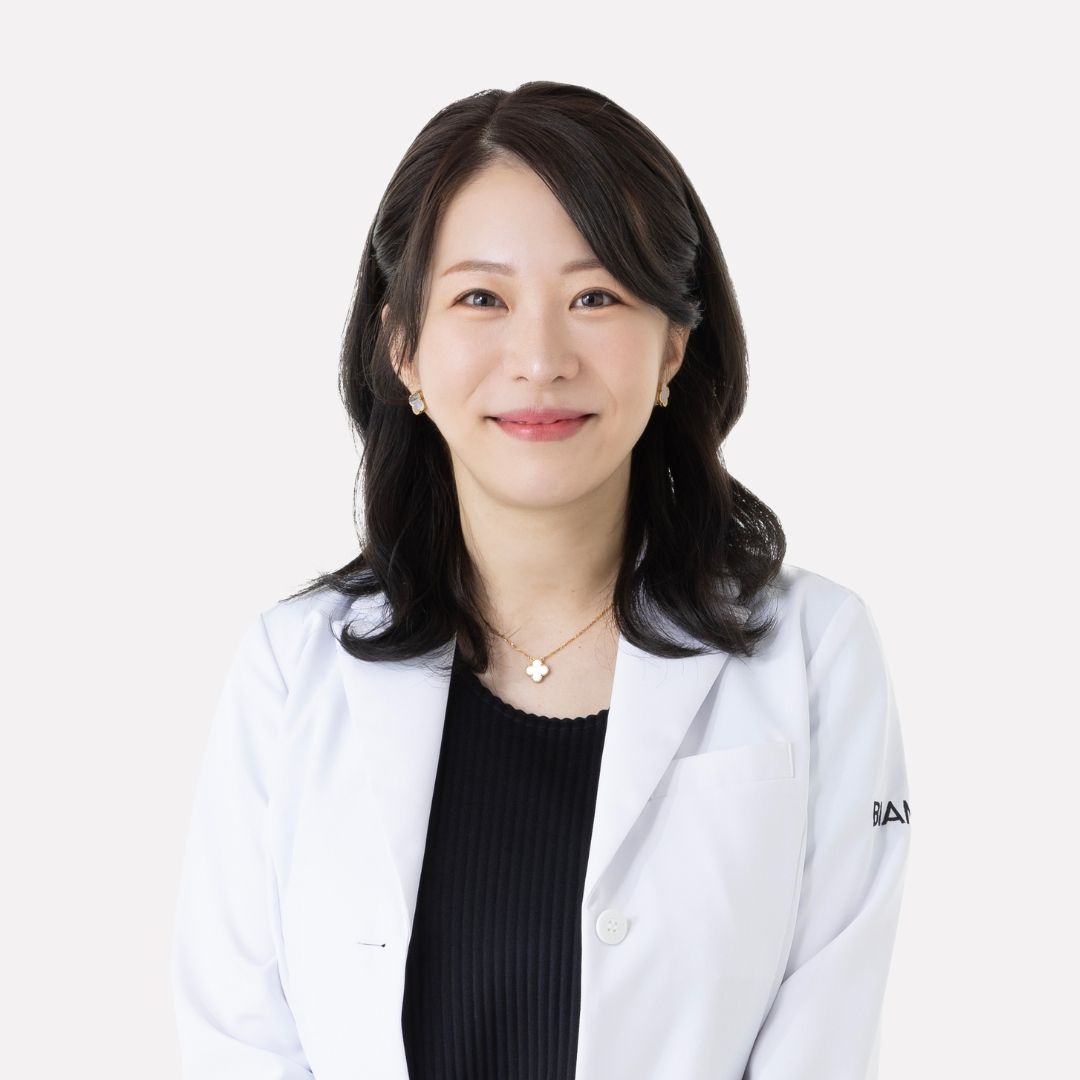
Peptide therapy for menopause is gaining attention as an option for concerns that can emerge during perimenopause and menopause, including reduced libido, low energy, and changes in skin and hair.
But these changes do not always have a single cause, and peptides are not a direct replacement for menopausal hormone therapy (MHT/HRT).
At BIANCA CLINIC in Tokyo, peptide therapy is offered as part of a personalized Longevity Medicine approach, with treatment plans tailored to each client’s symptoms, health, lifestyle, and goals.
Can Peptide Therapy Help With Menopause-Related Concerns?

Menopause affects people differently. Hot flashes, low energy, changes in sexual desire, and shifts in skin or body composition may all occur around the same stage of life, but they do not necessarily share the same cause.
Peptide therapy is therefore not a one-size-fits-all approach to menopause.
Whether peptide therapy is appropriate depends on the concern being addressed and what may be contributing to it.
The Role of Peptide Therapy Depends on the Menopause-Related Concern
Hot flashes and night sweats are closely linked to the hormonal changes of menopause.
Other concerns—such as reduced libido, low energy, changes in body composition, skin and hair changes, or difficulty concentrating—can have a more complex picture, with factors beyond hormones playing a role.
That is why treatment should not start with the assumption that “menopause means peptide therapy.” First, it is important to understand what has changed and what may be behind it.
So, is there a single “menopause peptide”? Not really.
Different peptide formulations work in different ways, and their treatment goals, supporting evidence, and risks vary. The choice needs to reflect both the concern being treated and the client’s overall health.
| Menopause-Related Concern | Possible Contributing Factors | Potential Role of Peptide Therapy |
|---|---|---|
| Hot flashes / night sweats | Hormonal changes associated with menopause | Not a direct substitute for established menopause treatments |
| Low libido | Hormonal changes, physical symptoms, medications, psychological factors, relationship factors, and others | PT-141 may be considered in selected clients |
| Low energy / body-composition changes | Aging, sleep, hormones, nutrition, metabolism, lifestyle, and others | Options may be explored based on the underlying cause and treatment goal |
Low Libido and Sexual Well-Being
Changes in sexual desire are common around perimenopause and menopause, but hormones are only part of the picture.
Poor sleep, vaginal discomfort, medications, stress, psychological factors, relationship dynamics, and overall health can all influence sexual function.
For selected clients, PT-141 (bremelanotide) may be considered when discussing low sexual desire.
It is not suitable for every woman experiencing low libido during menopause, however, so physician assessment matters.
In the United States, bremelanotide is FDA-approved for certain premenopausal women with acquired, generalized hypoactive sexual desire disorder (HSDD).
That approval does not broadly extend to postmenopausal women.
Changes in Energy, Body Composition, Skin, and Hair
Around menopause, you may notice that your energy is not what it used to be.
Maintaining muscle mass may become more difficult, body shape can change, and the skin or hair may start to look or feel different.
Hormonal changes may contribute, but they are rarely the whole story. Aging, sleep, nutrition, metabolism, genetics, exercise habits, and stress can all play a part.
At BIANCA CLINIC, the peptide formulation is selected based on the specific concern rather than menopause itself.
For example, different formulations are used for concerns related to libido, vitality, body composition, concentration, or tissue support.
Peptide therapy is not estrogen replacement, and it is not a catch-all treatment for menopause.
Understanding what may be driving each concern comes first.
Peptide Therapy vs. Hormone Therapy for Menopause
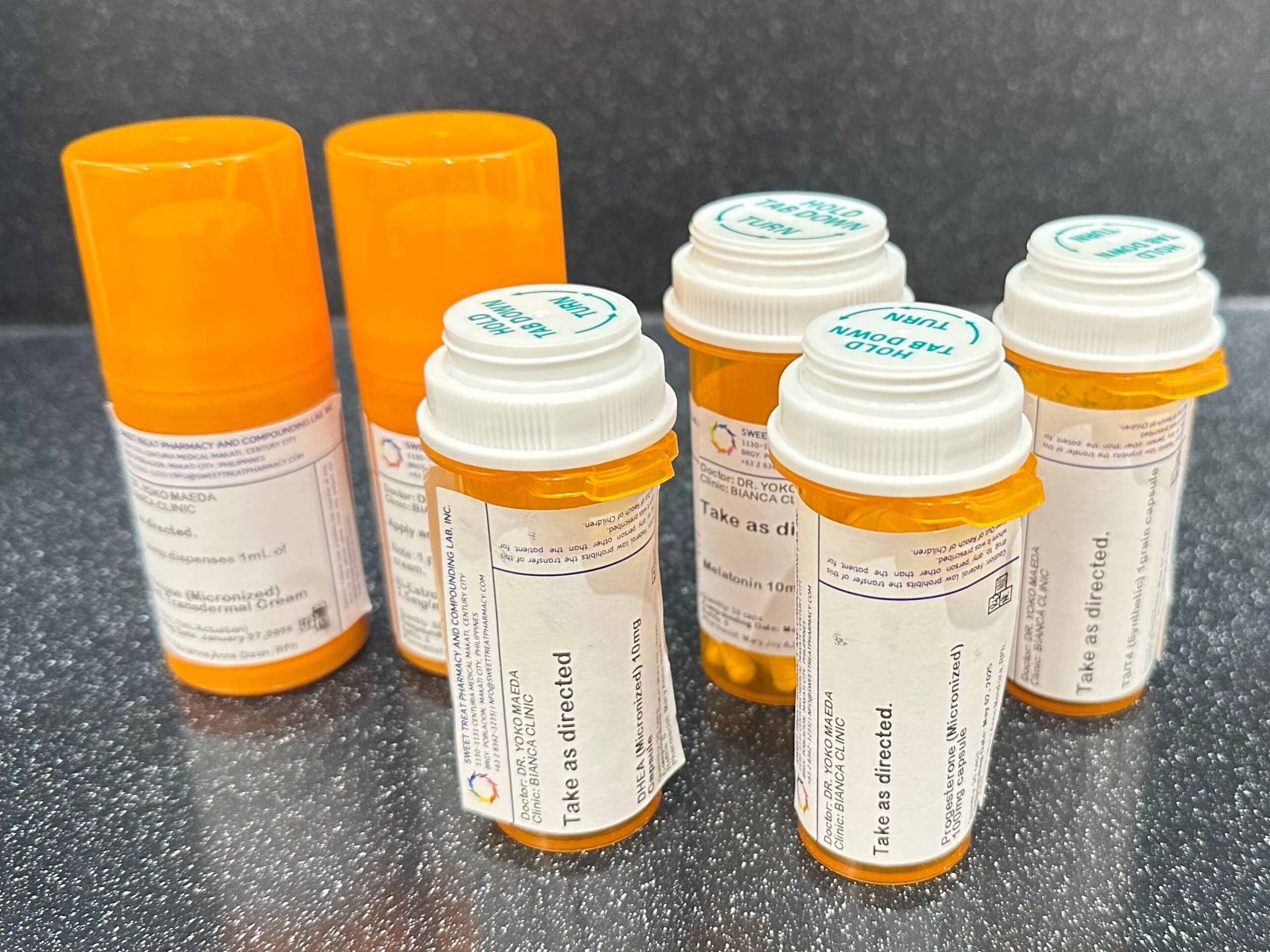
Peptide therapy and menopausal hormone therapy are not interchangeable.
Menopausal hormone therapy replaces hormones that decline during menopause. Peptide-related therapies work differently, targeting specific physiological pathways according to the formulation.
For suitable clients, hormone therapy is an established option for bothersome hot flashes, night sweats, and other menopause-related symptoms.
Peptides enter a different conversation: they may be explored when there are specific goals that estrogen replacement alone is not intended to address.
| Terapia peptídica | Menopausal Hormone Therapy | |
|---|---|---|
| Basic concept | Targets specific physiological pathways depending on the formulation | Replaces hormones that decline during menopause |
| Main goals | Vary by formulation and individual concern | Management of menopause symptoms and related concerns |
| Hot flashes / night sweats | Not a direct substitute for established menopause treatment | Established option for suitable clients |
| Libido / other midlife concerns | Certain formulations may be considered depending on the cause | Relevance depends on symptoms and individual assessment |
| Skin / body aging concerns | Certain formulations may be considered | Not primarily an aesthetic treatment |
| Idoneidad | Depends on the formulation, goals, medical history, and other factors | Depends on symptoms, medical history, risks, and other factors |
| Combination treatment | May be considered when medically appropriate | May be combined with other treatments when appropriate |
So the question during consultation is not simply “peptides or hormones?” For some clients, one may make sense.
For others, a combination—or an entirely different approach—may be a better fit.
Why BIANCA CLINIC Personalizes Menopause and Longevity Care
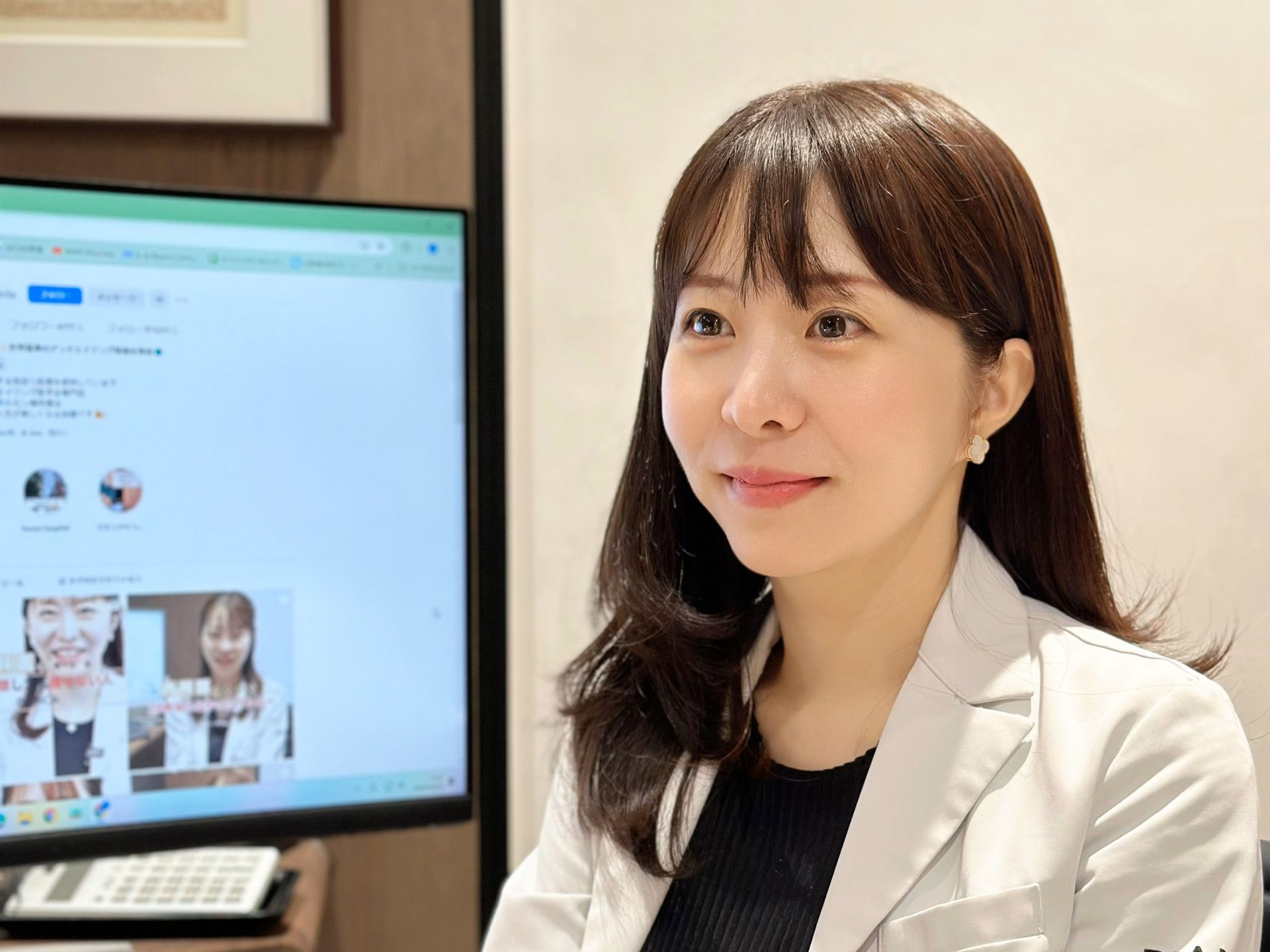
No two people experience menopause in exactly the same way.
One client may be most concerned about low energy, while another is noticing changes in libido, skin, hair, or body composition.
At BIANCA CLINIC, we look at that bigger picture through the lens of Longevity Medicine, with long-term health, beauty, and quality of life (QOL) in mind.
We Evaluate Lifestyle and Overall Health, Not Just Symptoms
International clients often come to us with several concerns at once:
“I feel more tired.” “My skin and body have changed.” “My libido has decreased.” A common question is whether all of these changes come down to hormone imbalance.
There is rarely one simple answer.
Hormones may be part of the picture, but so can sleep, nutrition, stress, metabolic health, exercise, medications, and underlying medical conditions.
For that reason, we do not recommend peptide therapy simply because someone is going through menopause.
A consultation looks at lifestyle, overall health, and what has actually changed.
At BIANCA CLINIC, the process may include physician consultation, blood or saliva testing, peptide selection and prescription, and follow-up monitoring, depending on the treatment plan.
Clients who want a broader longevity assessment may also discuss biological age evaluation using an epigenetic clock.
What happens next depends on what we find. For some clients, peptide therapy may sit alongside nutritional therapy, lifestyle changes, or hormone-related care.
For others, peptides may not be the best place to start.
F BIANCA CLINIC offers multiple peptide formulations, including PT-141, 5-Amino-1MQ, BPC-157, LGD-4033, and Semax, with different administration methods depending on the formulation.
See the treatment page for details on available options, administration methods, risks, and pricing.
▶ Explore Peptide Therapy Options at BIANCA CLINIC
Who May Consider Peptide Therapy?
If you are noticing specific age-related concerns—perhaps a change in sexual desire, lower vitality, or changes in your skin or hair—peptide therapy may be worth discussing as part of a personalized treatment plan.
Age or menopausal status alone does not determine whether it is a good fit.
Each peptide formulation comes with its own expected effects, supporting evidence, possible side effects, and method of administration.
The physician will look at both sides: your concerns and overall health, as well as the characteristics of the peptide being considered.
Follow-up is part of that process too, since treatment may need to be adjusted along the way.
Cuándo otro tratamiento puede ser más adecuado
Having menopause-related concerns does not automatically make peptide therapy the right choice.
If severe hot flashes, night sweats, vaginal symptoms, or genitourinary symptoms are the main concerns, it may make more sense to begin with an evaluation for established menopause treatments.
Other symptoms deserve a closer look as well.
Fatigue, hair loss, difficulty concentrating, and weight changes can also occur with thyroid disease, anemia, metabolic disorders, certain medications, and other health conditions.
Medical history, current medications, pregnancy, and plans for pregnancy can further shape treatment decisions.
There is no blanket rule for peptide therapy; suitability needs to be assessed for the specific formulation and the individual receiving it.
Safety, Expected Timeline, and What to Know Before Receiving Treatment in Tokyo
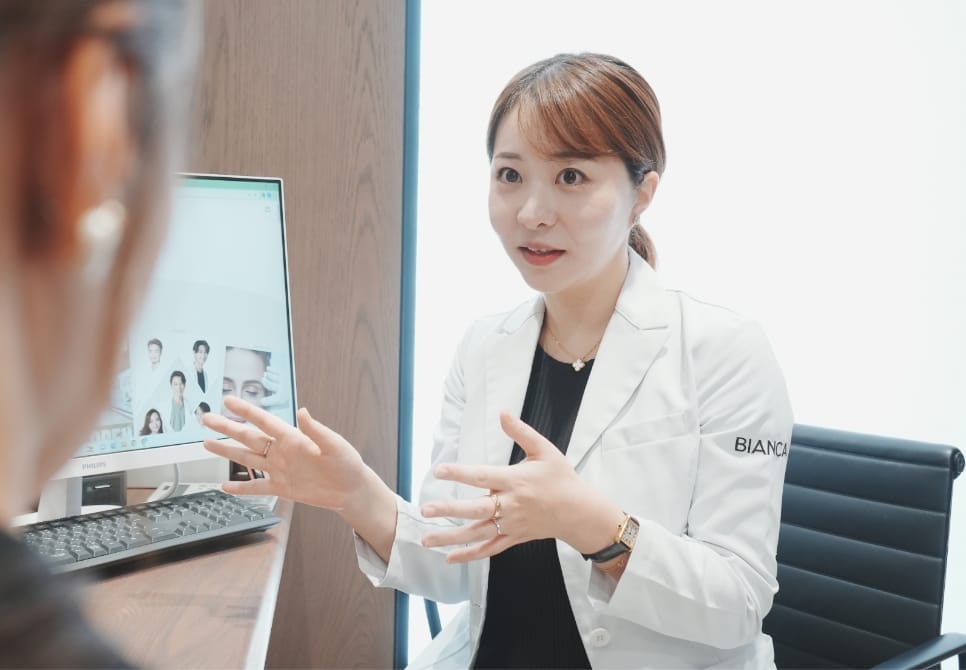
Before starting peptide therapy, it helps to have a realistic picture of both the potential role of treatment and its possible side effects, risks, and timeline.
If you are visiting Tokyo from overseas, there is another practical question to consider: what happens after you go home?
Safety and How Long It May Take to Evaluate Results
There is no single safety profile for “peptide therapy” as a whole. Possible side effects and risks depend on the peptide formulation being used.
And although some peptides occur naturally in the body, that does not automatically make every peptide-related treatment low-risk.
Depending on the treatment, side effects may include headache, nausea, flushing, dizziness, changes in sleep, or reactions at the treatment site.
Some medications used in peptide therapy or Longevity Medicine may also be unapproved in Japan for the specific indication for which they are prescribed.
At BIANCA CLINIC, prescribing and treatment take place under physician supervision.
The relevant risks and precautions are discussed based on the formulation being considered.
Results are not necessarily immediate either. Peptide therapy is different from an aesthetic procedure intended to create a visible change right after treatment. For some formulations and treatment goals, progress may be assessed over roughly three to six months.
What International Cclients Should Know Before Starting Treatment in Japan
Peptide therapy can require more planning than a one-time injectable or device-based treatment.
Laboratory testing, ongoing administration, or follow-up may be part of the process.
If you are traveling to Tokyo for treatment, tell your physician how long you will be in Japan.
Before starting, it is worth clarifying whether tests are needed, how long the results will take, whether treatment needs to continue after you return home, and what follow-up will look like.
Bringing some medical information with you can also help. If available, bring a list of your current medications, relevant medical history, and recent blood or hormone test results.
BIANCA CLINIC provides interpreter and consultation support for international clients.
Planning to travel home with prescribed medication? Rules for carrying or importing medication differ from country to country, so check the requirements for your destination before you leave Japan.
Frequently Asked Questions About Peptide Therapy for Menopause
Considering peptide therapy for menopause often brings up practical questions, particularly about hormones, HRT, and which peptide to choose. Here are some of the questions we hear most often.
Can Peptide Therapy Balance Hormones During Menopause?
Peptide therapy does not directly replace the estrogen that declines during menopause.
Different peptides act in different ways, so the first step is to understand the symptoms and what may be contributing to them.
Can Peptide Therapy Replace HRT for Menopause?
No—not as a direct substitute. HRT replaces hormones that have declined, while peptide therapies work through different pathways depending on the formulation.
Which approach makes sense depends on the symptoms, health status, medical history, and treatment goals.
Which Peptide Is Best for Menopause?
There is no single “best peptide for menopause.” It depends on what you want to address—libido, energy, skin and hair changes, body composition, or something else.
In some cases, peptides may not be the right treatment at all.
Can Peptide Therapy Help With Low Libido During Menopause?
For selected clients, PT-141 (bremelanotide) may be discussed as an option for low libido.
But sexual desire is complex. Hormonal changes, stress, medications, physical symptoms, and other health factors can all play a role, which is why physician assessment comes first.
Can International clients Start Peptide Therapy During a Trip to Japan?
Yes. International clients can discuss peptide therapy with a physician at BIANCA CLINIC in Tokyo.
The practical side matters, though: some treatment plans involve testing, continued administration, or follow-up. If your stay is short, your time in Japan and follow-up after you return home should be factored into the plan.
Conclusión
Peptide therapy for menopause is not one standardized treatment. It is better thought of as one possible part of an individualized approach, depending on what you are looking to address.
It is not estrogen replacement, nor is it a universal alternative to menopausal hormone therapy.
Where does it fit? That depends on the person. The symptoms being addressed, the peptide formulation, medical history, overall health, and treatment goals all matter.
At BIANCA CLINIC, we do not look at low libido, fatigue, skin changes, or changes in the body as isolated concerns.
Hormone-related care, nutrition, lifestyle, peptide therapy, and other longevity approaches can all form part of the conversation.
The aim goes beyond visible signs of aging.
With careful medical assessment and thoughtful treatment planning, we focus on supporting long-term health, beauty, and quality of life.
For more information about the peptide formulations available at BIANCA CLINIC, administration methods, possible side effects and risks, and treatment details, please visit our Peptide Therapy treatment page.