



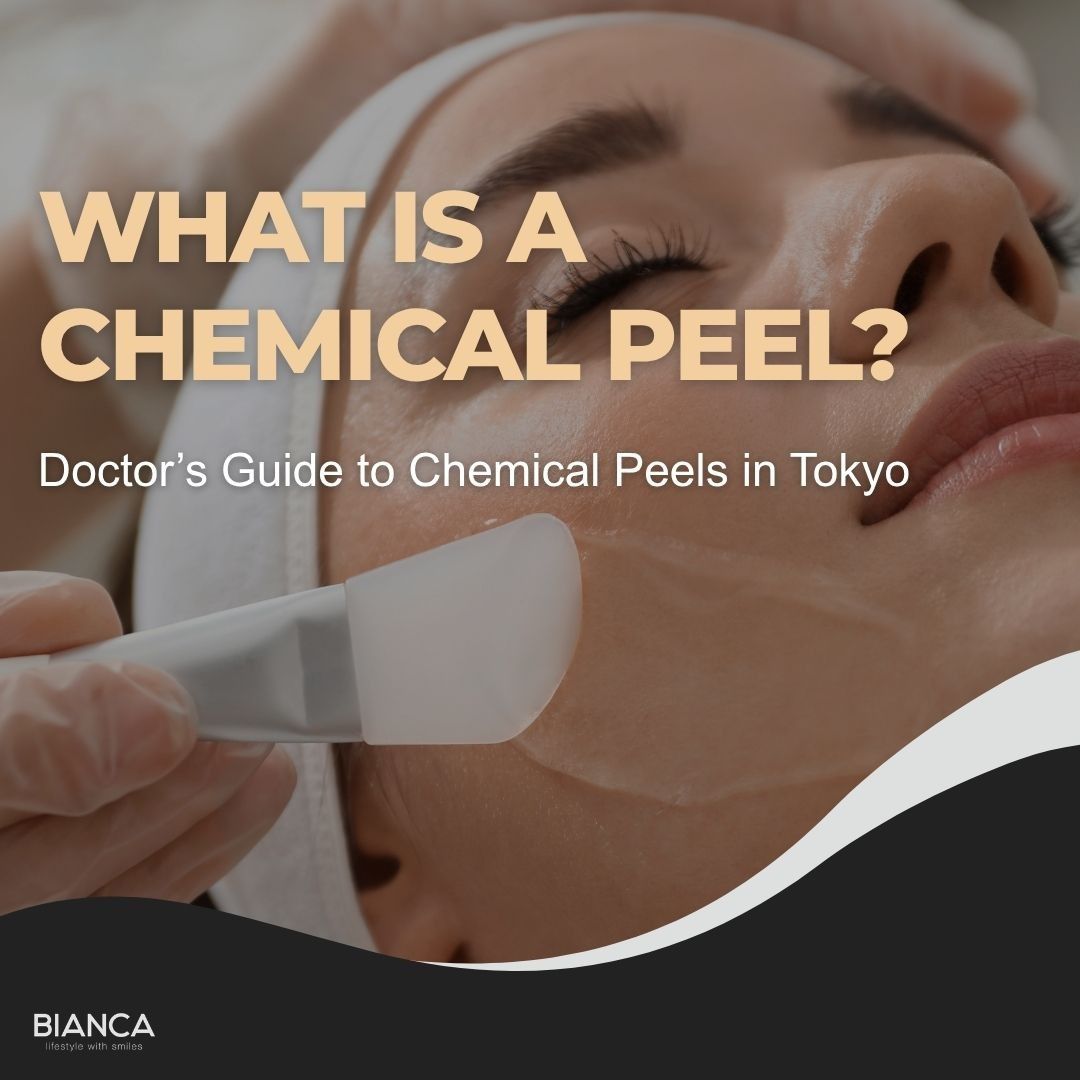
If you’re concerned about dullness, uneven skin tone, acne, pigmentation, or rough skin texture, you may have come across chemical peels.
So, what is a chemical peel?
A chemical peel is a professional skin treatment that uses a specially formulated solution to exfoliate the skin and support skin renewal.
Depending on the ingredients and formulation, chemical peels can address concerns such as uneven skin tone, dullness, acne-prone skin, rough texture, pigmentation, and visible signs of aging.
There is no single “best” chemical peel for everyone.
The right treatment depends on your skin condition, concerns, goals, and how much downtime you’re comfortable with.
At BIANCA CLINIC in Tokyo, we don’t take a one-size-fits-all approach to chemical peels.
Our doctors can consider different peel options based on your skin condition, concerns, treatment goals, and desired downtime.
What Is a Chemical Peel and How Does It Work?

A chemical peel is a professional treatment in which a chemical solution is applied to the skin to exfoliate the surface and support skin renewal.
Different chemical peels use different ingredients and formulations.
Common ingredients include glycolic acid, lactic acid, salicylic acid, and trichloroacetic acid (TCA), among others.
The depth and intensity of a peel can also vary.
Some treatments focus on gentle exfoliation and hydration, while others target concerns such as pigmentation, uneven texture, or signs of aging.
Importantly, a chemical peel does not necessarily mean that your skin will visibly peel.
Some modern treatments are designed to support skin renewal with minimal or no obvious flaking.
What Does a Chemical Peel Do to Your Skin?
Depending on the formulation, a chemical peel may help improve the appearance of:
- Dull or tired-looking skin
- Tono de piel desigual
- Rough or uneven texture
- Congested pores
- Acne-prone or oily skin
- Pigmentation and dark spots
- Fine lines and signs of skin aging
Some chemical peels can also support longer-term skin rejuvenation by stimulating collagen production.
This can help improve the appearance of firmness, fine lines, and overall skin quality over time.
The key is choosing a treatment that suits your skin rather than simply choosing the strongest peel.
What Does a Chemical Peel Help With?

Chemical peels may be used to address a range of skin concerns, but the right treatment depends on your individual skin condition.
Uneven Skin Tone, Dullness and Pigmentation
Chemical peels may help improve the appearance of dullness, uneven skin tone, and certain types of pigmentation by supporting skin renewal and refining the skin’s surface.
When it comes to pigmentation, there is no universal “best chemical peel.”
The type and condition of the pigmentation, along with your overall skin condition, should be assessed before treatment.
Acne, Oily Skin and Congested Pores
Some peel formulations are particularly suited to oily or acne-prone skin and concerns related to clogged pores.
For example, the Peeling profesional at BIANCA combines glycolic acid, lactic acid, and salicylic acid and is used for concerns including uneven tone, dullness, and skin texture.
Uneven Texture and Signs of Aging
Chemical peels can also be part of a skin rejuvenation plan when concerns include rough texture, fine lines, loss of radiance, or reduced firmness.
En BIANCA, Masaje exfoliante is one option for clients concerned about uneven texture, pigmentation, enlarged pores, and visible signs of aging.
What Are the Different Types of Chemical Peels?

Not all chemical peels are the same.
The ingredients, concentration, formulation, and treatment method all influence how a peel works and which concerns it may be suited to.
Glycolic Acid Peel
Glycolic acid is an alpha hydroxy acid (AHA) commonly used in professional exfoliating treatments.
Its relatively small molecular size allows it to penetrate the skin more readily than some other AHAs. It is often used to improve the appearance of skin texture, dullness, and fine lines.
TCA Peel
Trichloroacetic acid (TCA) is another ingredient used in professional chemical peeling.
TCA peels can vary considerably in formulation and treatment intensity.
Some newer treatments combine TCA with other ingredients to support skin renewal while minimizing visible peeling.
Other Chemical Peel Formulations
Other ingredients, including lactic acid, salicylic acid, and LHA, can also be incorporated into professional peel treatments.
Rather than choosing a peel based on a single ingredient, it’s important to consider the overall formulation and your individual skin condition.
Which Chemical Peel Is Right for Your Skin?
One of the most common questions is: “What is the best chemical peel for my face?”
There is no single answer.
A peel that suits oily, congested skin may not be the same treatment recommended for someone with dry or sensitive skin. At BIANCA CLINIC, several chemical peel options are available:
| Peeling químico | Common Skin Concerns |
|---|---|
| Peeling profesional | Dullness, uneven tone, dryness, loss of radiance |
| LHALA Peel | Sensitive skin, hydration, radiance, texture |
| Peeling de Manuka | Breakouts, hydration, skin barrier support |
| BioRePeel | Hyperpigmentation, dark spots, fine lines, skin rejuvenation |
| Masaje exfoliante | Firmness, uneven texture, pigmentation, enlarged pores |
Peeling profesional
 Professional Peel combines glycolic acid, lactic acid, and salicylic acid in a formulation designed to exfoliate the skin while minimizing irritation.
It may be considered for dull or uneven skin tone, dry or dehydrated skin, and a loss of firmness or radiance.
▷Learn more about Professional Peel at BIANCA CLINIC
LHALA Peel

LHALA Peel is a gentle treatment that focuses on improving the appearance of skin texture, clarity, and radiance. It may be a suitable option for those seeking a hydrated, glowing complexion or for clients who have experienced irritation with other chemical peels.
Peeling de Manuka

Manuka Peel combines Manuka honey with exfoliating ingredients to support hydration, skin barrier care, and skin clarity.
It may be considered for breakout-prone or sensitive skin.
BioRePeel

BioRePeel is a TCA-based chemical peel formulated with additional active ingredients.
At BIANCA, it is offered for concerns including uneven skin tone, hyperpigmentation, dark spots, fine lines, and signs of aging.
Masaje exfoliante

Massage Peel combines TCA with hydrogen peroxide and is applied using a massage technique.
It is not intended to cause obvious skin peeling.
It may be considered for concerns such as firmness, uneven texture, pigmentation, and enlarged pores.
▷Learn more about Massage Peel
The goal isn’t to find the strongest peel. It’s to find an approach that fits your skin.
Real Patient Case: BioRePeel for Uneven Skin Tone
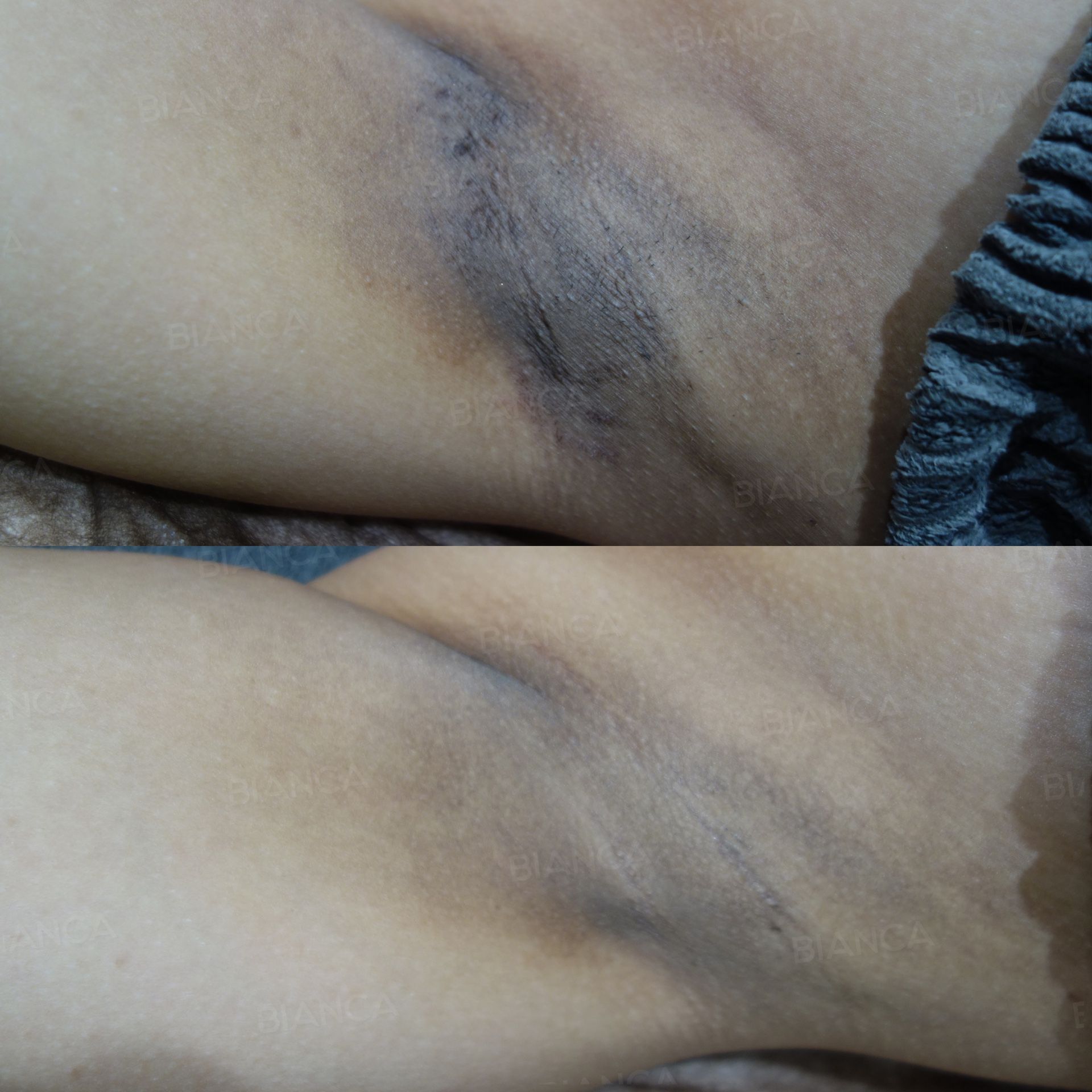
Chemical peels aren’t limited to facial treatments.
In this BIANCA case, BioRePeel was used on the underarms and décolletage to address concerns related to uneven tone and texture.
▷Learn more about BioRePeel at BIANCA CLINIC
Doctor’s Insight:
The treatment area and skin condition both matter when selecting a peel.
Areas such as the décolletage can also show visible changes caused by sun exposure and aging, so the treatment approach should reflect the characteristics of each area.
Individual results vary, and before-and-after photographs do not guarantee the same results for every client.
What Happens During a Chemical Peel at BIANCA CLINIC?

If you’ve never had a professional chemical peel before, the process is generally straightforward.
1. Doctor’s Consultation & Skin Assessment
Your doctor will discuss your skin concerns, goals, and medical history before assessing your skin condition.
You don’t need to know which peel you need before your appointment.
The consultation is an opportunity to determine which options may be appropriate for you.
2. Choosing the Right Peel
The peel is selected based on factors such as your skin condition, concerns, treatment goals, and desired downtime.
3. Preparation & Treatment
Makeup, oil, and impurities are removed before the selected peeling solution is carefully applied. Depending on the formulation, you may experience mild tingling, warmth, or stinging during treatment.
4. Aftercare
You’ll receive aftercare instructions based on the treatment and your skin condition.
Sun protection and appropriate skincare are particularly important while the skin is recovering.
Real Patient Case: Massage Peel for Facial Skin
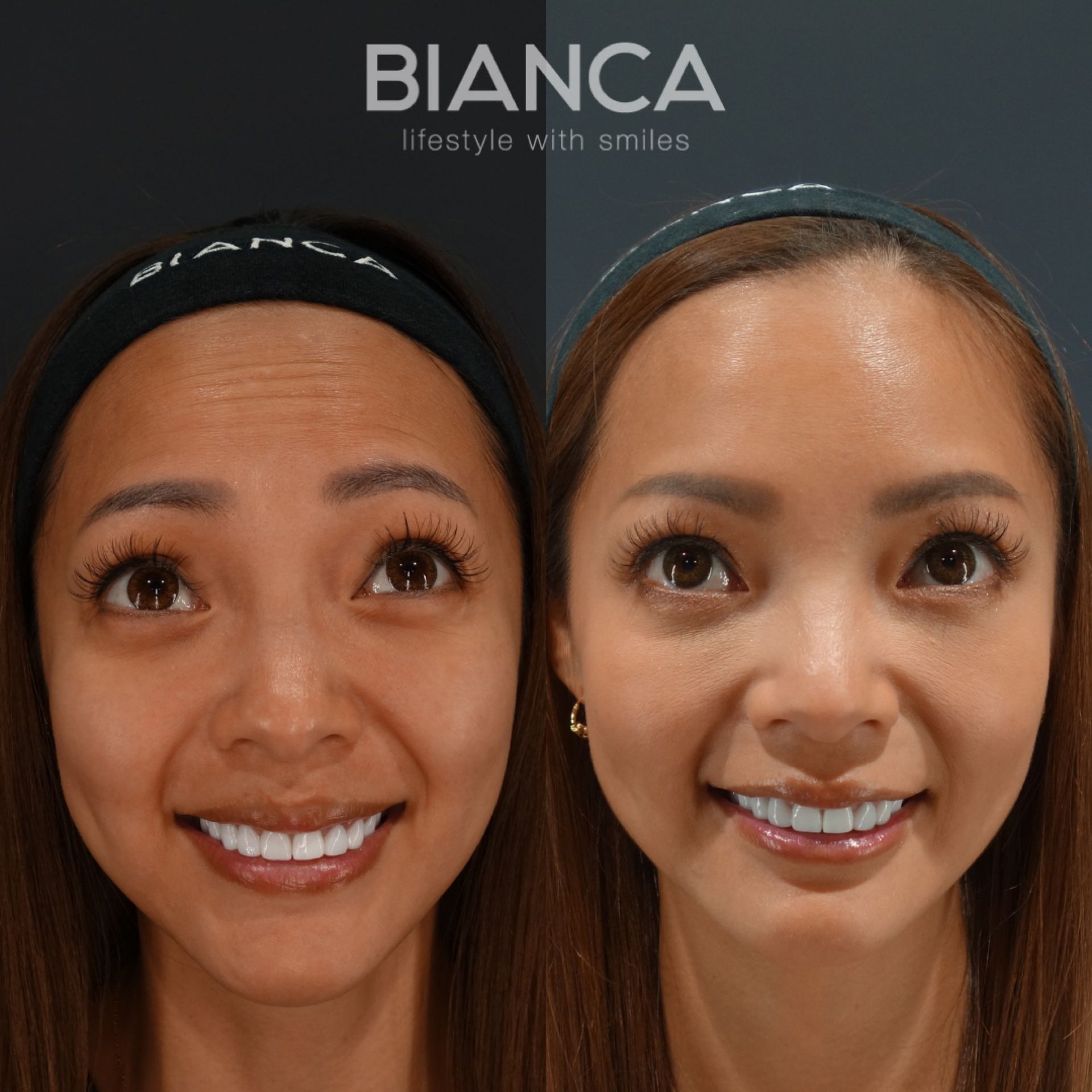
This BIANCA case shows Massage Peel performed on the face alongside botulinum toxin treatment.
The treatments were selected to address different aspects of the client’s concerns: Massage Peel for the appearance of skin texture and firmness, and botulinum toxin for expression-related lines.
The case includes follow-up photographs at two weeks and one month.
Doctor’s Insight:
When several concerns are present, it isn’t always necessary—or appropriate—to rely on a single treatment.
Different treatments can be considered for different aspects of the skin and facial appearance.
Individual treatment plans and results vary.
Does a Chemical Peel Hurt? Downtime, Safety & Results
Is a Chemical Peel Painful?
The sensation depends on the type of peel.
Some clients may experience mild tingling, warmth, or slight stinging during treatment.
Gentler treatments may feel more comfortable, while some formulations can produce stronger temporary sensations.
Is a Chemical Peel Dangerous or Harmful to the Skin?
A chemical peel should be selected according to your skin condition rather than simply choosing a stronger formulation.
If you have sensitive, irritated, or compromised skin, it’s particularly important to have your skin assessed before treatment.
How Long Does Peeling Last After a Chemical Peel?
Visible peeling varies considerably between treatments.
Some BIANCA peels are designed to involve minimal or no visible peeling, while others may cause temporary redness, dryness, or fine flaking.
For example, Massage Peel may be followed by temporary dryness or fine flaking, while gentler options may involve little visible peeling.
¿Cuándo verá los resultados?
Some changes in skin smoothness, radiance, or hydration may become noticeable relatively soon after treatment.
Other changes, particularly those associated with repeated treatments and skin renewal, may develop gradually.
The recommended treatment frequency also varies by peel.
For example, BIANCA recommends Professional Peel once every four weeks as part of a five-session treatment plan, while other peels have different recommended intervals.
Are Chemical Peel Results Permanent?
Chemical peels are not permanent solutions to every skin concern.
Your skin continues to be affected by factors such as aging, sun exposure, and daily skincare.
Depending on your goals, your doctor may recommend a series of treatments or maintenance sessions.
Real Patient Case: What Can You Expect After a Chemical Peel?
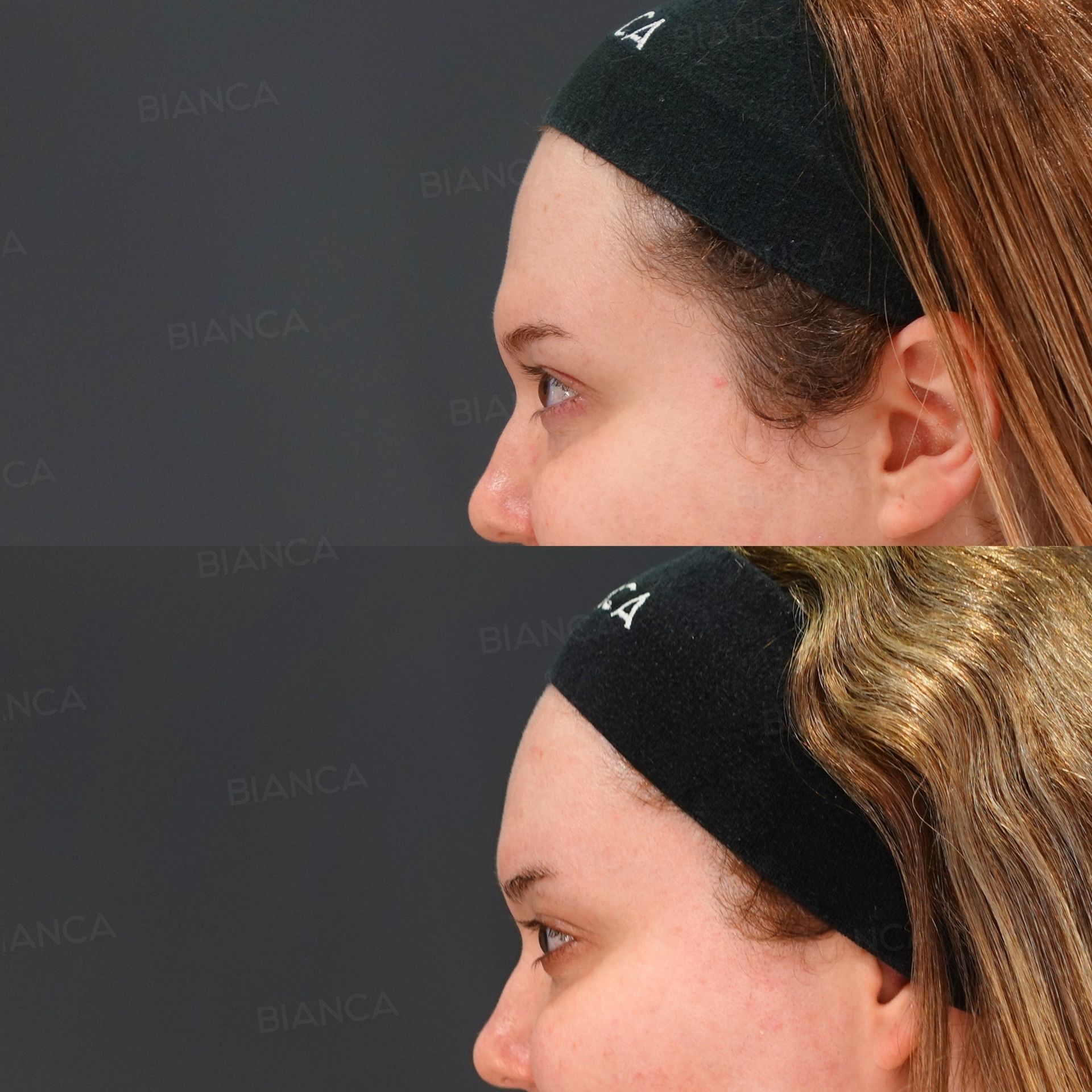
Before-and-after photographs can help you visualize the potential changes after a chemical peel, but they should not be viewed as a guarantee of your own results.
The treatment course can vary depending on the type of peel, treatment area, number of sessions, skin condition, and aftercare.
Doctor’s Insight:
When evaluating a chemical peel result, look at the entire treatment course—not just the final photograph.
Your treatment plan should be based on your individual skin and goals.
Why Choose BIANCA CLINIC for Chemical Peels in Tokyo?

Choosing a chemical peel isn’t simply about finding the most powerful treatment.
At BIANCA CLINIC in Tokyo, our approach to chemical peels focuses on selecting an appropriate treatment according to each client’s skin needs.
Multiple Peel Options
BIANCA offers several chemical peel treatments, including:
- Peeling profesional
- LHALA Peel
- Peeling de Manuka
- BioRePeel
- Masaje exfoliante
Having multiple options allows the treatment approach to be tailored to different skin concerns and sensitivities.
Tratamiento personalizado
Your skin may have more than one concern at the same time.
For example, you may have pigmentation together with sensitivity, or oily skin together with dehydration.
That’s why treatment selection should consider your overall skin condition rather than focusing on a single concern.
Doctor’s Consultation & Skin Assessment
You don’t need to decide which peel is right for you before visiting BIANCA. Your concerns, skin condition, and treatment goals can be discussed during your consultation, allowing your doctor to consider the available options for your skin.
For International Patients Visiting Tokyo
If you’re traveling to Japan for aesthetic treatment, treatment timing and recovery are important considerations.
Discussing your travel schedule during your consultation can help determine whether a particular peel is appropriate for your visit and how much recovery time you may need.
▷Explore Chemical Peels at BIANCA CLINIC Tokyo
Frequently Asked Questions About Chemical Peels
What is a chemical peel and how does it work?
A chemical peel is a professional skin treatment that uses a selected peeling solution to exfoliate the skin and support skin renewal.
Different formulations are designed for different skin concerns and treatment goals.
What does a chemical peel help with?
Depending on the formulation, chemical peels may be considered for dullness, uneven skin tone, pigmentation, acne-prone skin, rough texture, enlarged pores, and visible signs of aging.
Is a chemical peel painful?
Some clients experience mild tingling, warmth, or stinging during treatment.
The sensation varies depending on the type of peel.
What is the best chemical peel for hyperpigmentation?
There is no single best peel for every case of hyperpigmentation.
The appropriate treatment depends on the type of pigmentation, your skin condition, sensitivity, and treatment goals.
Can I get a chemical peel if I have sensitive skin?
Some chemical peels are designed to provide a gentler treatment approach.
BIANCA offers options such as LHALA Peel and Manuka Peel, but the appropriate treatment should be determined after assessing your skin.
How often should I get a chemical peel?
Treatment intervals vary depending on the type of peel and your individual treatment plan.
Your doctor can recommend an appropriate schedule based on your skin and treatment goals.