



Facial chemical peels can cause temporary redness, dryness, tightness, stinging, and flaking.
More serious complications include pigmentation changes, infection, and scarring.
The intensity and duration of these reactions depend on the formulation, treatment depth, and your skin’s condition.
Mild reactions may be expected after certain peels, but severe or worsening symptoms should not be dismissed as a sign that the treatment is working.
At BIANCA CLINIC in Tokyo, you do not need to select a peel before your consultation.
Our physicians assess your skin and discuss the available formulations, their suitability, and what to expect during recovery.
If you are concerned about skin damage, start by sharing that concern alongside the improvement you hope to achieve.
▷Explore BIANCA’s Chemical Peel Options
What Are the Common Side Effects of Chemical Peeling on the Face?
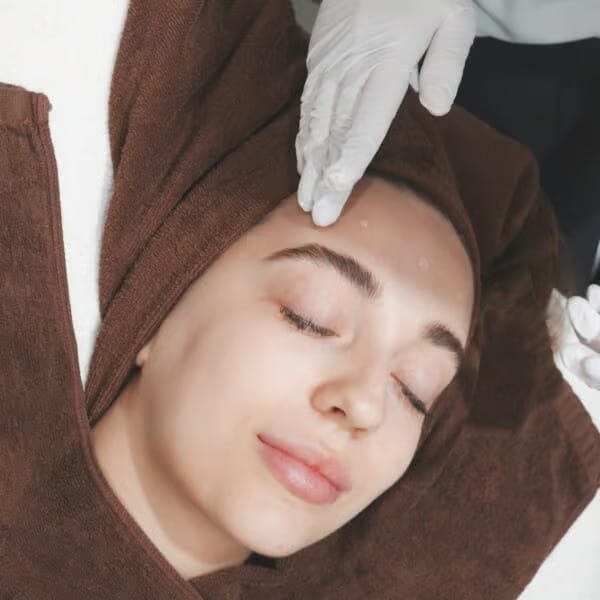
A chemical peel uses a formulation to produce controlled changes in the skin.
Expected reactions and possible complications should be explained separately, so you know what to monitor.
Are Redness, Dryness, and Flaking Expected?
Depending on the peel, temporary reactions may include tingling during application, redness, tightness, dryness, and sensitivity afterward.
Some formulations cause visible flaking; others produce little noticeable shedding. These reactions are not indicators of effectiveness.
Heavy peeling is not proof of a better result, and a lack of flaking does not automatically mean the procedure failed.
The important questions are whether the reaction matches what was explained for your treatment and whether it is settling rather than becoming more intense.
Can a Chemical Peel Cause Hyperpigmentation or Lasting Skin Damage?
Yes. Post-inflammatory hyperpigmentation can make treated areas darker following inflammation.
Hypopigmentation, in which areas become lighter, is another possible complication, particularly with deeper procedures.
Your skin tone, history of pigmentation changes after irritation, treatment depth, and sun exposure affect the risk.
Sun protection matters, but it cannot eliminate every possibility of pigment changes.
Temporary dryness should also be distinguished from lasting damage.
Scarring and persistent color changes are possible complications, rather than inevitable consequences of a peel.
Can a Chemical Peel Cause Infection or Scarring?
Infection and scarring can occur. A peel may also reactivate herpes simplex, causing cold sores in susceptible patients.
Tell your physician about previous cold sores, unusual wound healing, and raised scars before treatment.
Appropriate assessment and aftercare help manage risk, but qualified supervision does not make a procedure risk-free.
How Long Does Recovery Take, and When Should I Contact My Clinic?

Recovery involves more than waiting for flakes to disappear.
Skin can remain sensitive after it looks smoother, and the expected course varies between procedures.
How Does Recovery Differ Between Peel Types?
Recovery varies by peel and individual skin response.
Many of BIANCA’s peels are designed with minimal downtime, although some treatments may cause temporary redness, sensitivity, or peeling.
As a general guide, the American Academy of Dermatology describes recovery after a light peel as approximately one to seven days, while medium-depth peels can require seven to fourteen days.
These general categories refer to peel depth and should not be used to classify a specific BIANCA formulation.
Ingredients, formulation, application, and individual skin response also affect recovery.
Ask what recovery is expected for the specific peel you receive, including whether visible shedding is likely and when your usual activities can resume.
Which Symptoms Need Prompt Medical Advice?
Contact your treating clinic promptly if you develop severe or increasing pain, persistent burning, worsening swelling, unexpected blisters, discharge, spreading redness, or symptoms outside the recovery instructions you received.
Do not wait for a particular day if the reaction is concerning. Difficulty breathing or rapid swelling of the lips or tongue requires emergency medical attention.
| Situation | What to do |
|---|---|
| Mild symptoms within the explained recovery pattern | Follow your aftercare instructions and monitor progress |
| Strong, worsening, or unexpected symptoms | Contact the treating clinic promptly |
| Breathing difficulty or rapid lip or tongue swelling | Seek emergency care immediately |
When contacting the clinic, provide the procedure date, when symptoms started, photographs if requested, and the products you have applied.
Photographs can help communication, but they do not always replace an examination.
How Does BIANCA Choose a Peel for Your Skin?

At BIANCA CLINIC, choosing a peel starts with an assessment of your skin and your priorities.
You may want to improve uneven tone but also experience dryness, sensitivity, or clogged pores.
These concerns need to be considered together.
At BIANCA, the goal is not to choose the strongest peel, but to select a formulation and intensity appropriate for your skin condition and treatment goals.
Our physicians assess your skin and recommend the appropriate peel and intensity.
You do not need to arrive knowing which product to request.
Your consultation is an opportunity to discuss the improvement you want, the reactions you are concerned about, and how much recovery time you can allow.
The peeling solution is then carefully applied by our nurses under medical supervision, followed by aftercare instructions for your procedure.
Can Sensitive or Darker Skin Be Treated?
Sometimes, but neither description gives enough information to select a treatment.
For sensitive skin, we need to distinguish occasional discomfort from active inflammation, eczema, damaged skin, or a recent reaction to skincare.
Depending on your condition, the approach may need to be adjusted or treatment postponed.
For darker skin tones, pigmentation changes deserve particular attention.
Tell us if acne, irritation, or previous procedures have left persistent dark marks.
This history helps inform the discussion alongside your current skin condition.
How Do BIANCA’s Peel Options Allow for Individualized Treatment?
At BIANCA, we offer Professional Peel, LHALA PEEL, MANUKA PEEL, BIOREPEEL, and MASSAGE PEEL.
Each peel has different ingredients and treatment goals, so the most appropriate option depends on your skin concerns and the results you want to achieve.
Professional Peel combines glycolic, lactic, and salicylic acids and is known for low irritation and minimal downtime.
LHALA PEEL focuses on gentle surface renewal and hydration.
MANUKA PEEL combines exfoliating ingredients with Manuka honey and provides gentle exfoliation while supporting hydration and skin barrier care.
BIOREPEEL uses a TCA-based formulation combined with amino acids, vitamins, and other active ingredients to support skin rejuvenation, while MASSAGE PEEL uses a TCA-based formulation designed to support collagen production.
Having several options does not mean one is universally safest or that every formulation suits your skin.
It means you can discuss the relevant differences with a physician before deciding.
After the doctor’s assessment, the peeling solution is carefully applied by our nurses under medical supervision, followed by aftercare instructions for your procedure.
Depending on the peel, treatment may also support collagen production and longer-term skin renewal.
Explore our chemical peel options to learn more about the available formulations.
▷Compare Our Chemical Peel Treatments
What Should I Tell My Doctor Before Treatment?
Tell your physician about any medications, supplements, allergies, and current skincare products, including retinoids, exfoliating acids, and acne products.
Also mention recent cosmetic procedures, sunburn, use of oral isotretinoin, pregnancy or breastfeeding, eczema, cold sores, and abnormal scarring.
Bring product names or photographs of labels when possible.
You do not need to work out which ingredients might interact with a peel yourself; sharing the details allows your physician to review them.
Do not stop prescribed medication without advice.
If you are visiting Japan, tell us about your travel dates and planned activities.
Together with your skin assessment, this information helps us discuss whether the procedure and timing are appropriate for you.
How Often Should You Have a Chemical Peel?

The appropriate frequency depends on the formulation, treatment goal, and recovery.
Increasing frequency to accelerate results can introduce additional irritation.
Does Every Peel Follow the Same Schedule?
No. At BIANCA, the general course intervals differ by formulation: Professional Peel and BIOREPEEL are typically scheduled four weeks apart, LHALA PEEL and MANUKA PEEL two to four weeks apart, and MASSAGE PEEL one to two weeks apart.
These intervals are starting points for planning, not a fixed schedule for everyone.
Your skin’s recovery and treatment goal should also guide the next appointment.
They should not be generalized to other peels or used to justify repeating treatment before your skin is ready.
A course aimed at improving a specific concern also differs from occasional maintenance. Each appointment should have a clear purpose.
What If My Skin Is Still Red or Sensitive Before My Next Session?
Tell the clinic before proceeding. Persistent dryness, stinging, redness, or irritation may justify delaying treatment and reviewing your skincare or formulation.
A scheduled date is not evidence that the skin has recovered.
If reactions recur, the plan may need to change rather than simply continue at the same intensity.
What Aftercare Helps Reduce Chemical Peel Side Effects?

Aftercare should match the procedure you received.
A generic routine from social media may be inappropriate, even if another person used a peel with a similar name.
When Can I Wash My Face and Restart Skincare?
Ask for specific cleansing instructions before leaving the clinic.
There is no universal answer to when to wash your face after a chemical peel.
Use the cleanser and moisturizer recommended for your recovery, avoid rubbing or scrubbing, and let shedding skin detach naturally.
Follow the prescribed sun-protection instructions, including shade and physical protection when appropriate.
Retinol, exfoliating acids, and other potentially irritating products may need to be paused.
Restart them according to your clinician’s advice rather than assuming your skin is ready because flaking has stopped.
If your usual moisturizer causes marked or persistent stinging, contact the clinic for guidance instead of adding more active products.
How Should I Plan Makeup, Exercise, and Travel?
Makeup, exercise, sauna use, and onsen visits should be discussed based on the specific peel you receive.
Heat, sweating, friction, and prolonged soaking may be unsuitable during recovery; one fixed waiting period does not cover every procedure.
If you are visiting Tokyo, share outdoor sightseeing plans, photography dates, and your departure date before booking.
Leave room for possible redness or sensitivity rather than scheduling a first peel immediately before an important event.
Clarify whom to contact if symptoms develop after you leave Japan. Knowing the recovery plan and available support is part of deciding whether the timing suits you.
FAQs About Facial Chemical Peel Safety
The following questions address concerns that may remain after discussing the procedure and recovery.
Are Chemical Peels Bad for Your Skin?
They are not inherently harmful for every person, but they are not suitable for every skin condition or schedule.
Appropriate selection, application, frequency, and aftercare matter.
Temporary reactions and complications should be discussed before you decide.
Can Chemical Peel Products Cause an Allergic Reaction?
Yes. A reaction may involve an ingredient in the peel or another product used around the procedure.
Irritation and allergy can look similar, so do not diagnose the cause yourself.
Disclose previous allergies and seek advice for unexpected symptoms.
Does More Flaking Mean Better Results?
No. Visible shedding varies by formulation and does not reliably predict improvement.
Do not use additional exfoliants or pull away skin to increase peeling.
How Often Should I Have a Peel to Maintain the Results?
Maintenance depends on your goal and skin response.
It should be reconsidered if benefits are limited or irritation continues.
Regular treatment is not a requirement simply because you completed an initial course.
Worried About Chemical Peel Side Effects? Start With a Consultation
If you are interested in a chemical peel but worried about side effects, bring those concerns to your consultation.
You do not need to choose a formulation beforehand.
At BIANCA CLINIC in Tokyo, our range of peel options gives you the opportunity to discuss your desired improvement alongside dryness, sensitivity, previous reactions, and how much recovery time you can allow.
Our physicians can help you understand whether a peel is appropriate and what precautions matter for your skin.
If you are traveling to Japan, share your itinerary as well as your skincare routine.
Discussing these details before treatment helps you make a decision that fits both your skin and your schedule.
Not sure which peel is right for you? You do not need to choose one before your consultation.
Explore our chemical peel treatments to compare the available options and learn more about which peel may suit your skin concerns, treatment goals, and recovery schedule.
Arrange a consultation to discuss your options, expected recovery, and aftercare.