



Swelling or bruising after filler can leave you wondering whether you are seeing an expected reaction or something that needs medical attention.
Mild swelling and tenderness are common as the treated tissue settles.
Increasing pain, changes in skin color or problems with vision are different and require prompt assessment.
What the symptom looks like matters, but so does its timing: when it began, whether it is spreading, and whether it is improving or getting worse.
This article focuses on hyaluronic acid dermal fillers used to adjust facial volume and contour.
We look at common filler side effects, differences between treatment areas, changes that should be discussed with a physician, and warning signs that require urgent care.
Other injectable products contain different materials, so their risks and the options for managing them are not necessarily the same.
What Are the Most Common Side Effects of Hyaluronic Acid Fillers?

Swelling and bruising are the reactions clients mention most often.
Other early changes include redness, itching, mild discomfort and a firm feeling beneath the skin.
Tiny bumps can appear where the needle or cannula entered.
The two sides may look uneven for a while too.
That unevenness is often what causes alarm.
Faces are rarely perfectly symmetrical before treatment, and they do not always swell symmetrically afterwards.
Timing adds another layer.
A cheek may look almost unchanged when the client leaves, then become slightly puffy that evening.
Lips can look fuller the next morning than they did in the treatment room.
A bruise can take several hours to show.
HA filler holds water.
The injection process also causes a small amount of local tissue irritation and can disturb tiny blood vessels.
Put those together, and the first-day appearance is not a reliable preview of the settled result.
Taking photographs is useful.
Judging the final shape from a close-up taken a few hours after treatment is less useful.
Why Filler Side Effects Are Not Only About the Product

Product names receive a lot of attention online.
In the consultation room, brand is only one of several decisions.
Imagine using the same gel and the same volume in two different places: the mobile tissue of the lips and the firmer structure of the chin.
The experience, the appearance and the possible problems will not be identical.
Depth matters.
Placement matters.
So does the amount released at each point.
A client who has had several previous filler treatments also presents a different starting point from someone having filler for the first time.
The Treatment Area Changes the Risk
The anatomy changes every few centimeters across the face.
The lips swell visibly because they move frequently and have a rich blood supply.
Beneath the eyes, a small amount of edema can show through thin skin.
The nose contains blood vessels that connect with other parts of the face, including the area around the eyes.
Across the cheeks and temples, the physician must consider a wider transition between filled and unfilled tissue.
This is why the number of syringes is a poor shorthand for comparing treatments.
It says how much product is available.
It says nothing about the anatomy, placement or difficulty of the procedure.
More Filler Does Not Always Create Better Balance
Suppose a client points to a shadow beside the mouth and asks to fill that exact line.
The obvious approach would be to inject the line.
Yet the shadow may partly reflect reduced support higher in the cheek.
Filling only the lowest point could leave the cause untouched while making the area around the mouth look heavy.
The same issue comes up with under-eye hollows, temples and the chin.
What appears to be a shortage of volume is sometimes a matter of facial structure, tissue position or light.
At BIANCA, we check the requested area and then step back.
Front view, three-quarter view, profile.
The recommendation can change once the features are seen together.
On some faces, restraint produces the more coherent result.
Different Areas May Need Different Products
There is no reason to expect one gel to perform every job equally well.
In the lips, flexibility matters because the mouth is constantly moving.
Along the chin or jaw, the physician may want a product that holds projection more firmly.
The tear trough has little room to hide excess volume.
Temple treatment involves another tissue environment again.
The choice comes down to what the gel needs to do after placement.
Does it need to move, support, blend or hold a line? That question is more useful than choosing a product because its name is familiar.
How Side Effects Differ by Treatment Area
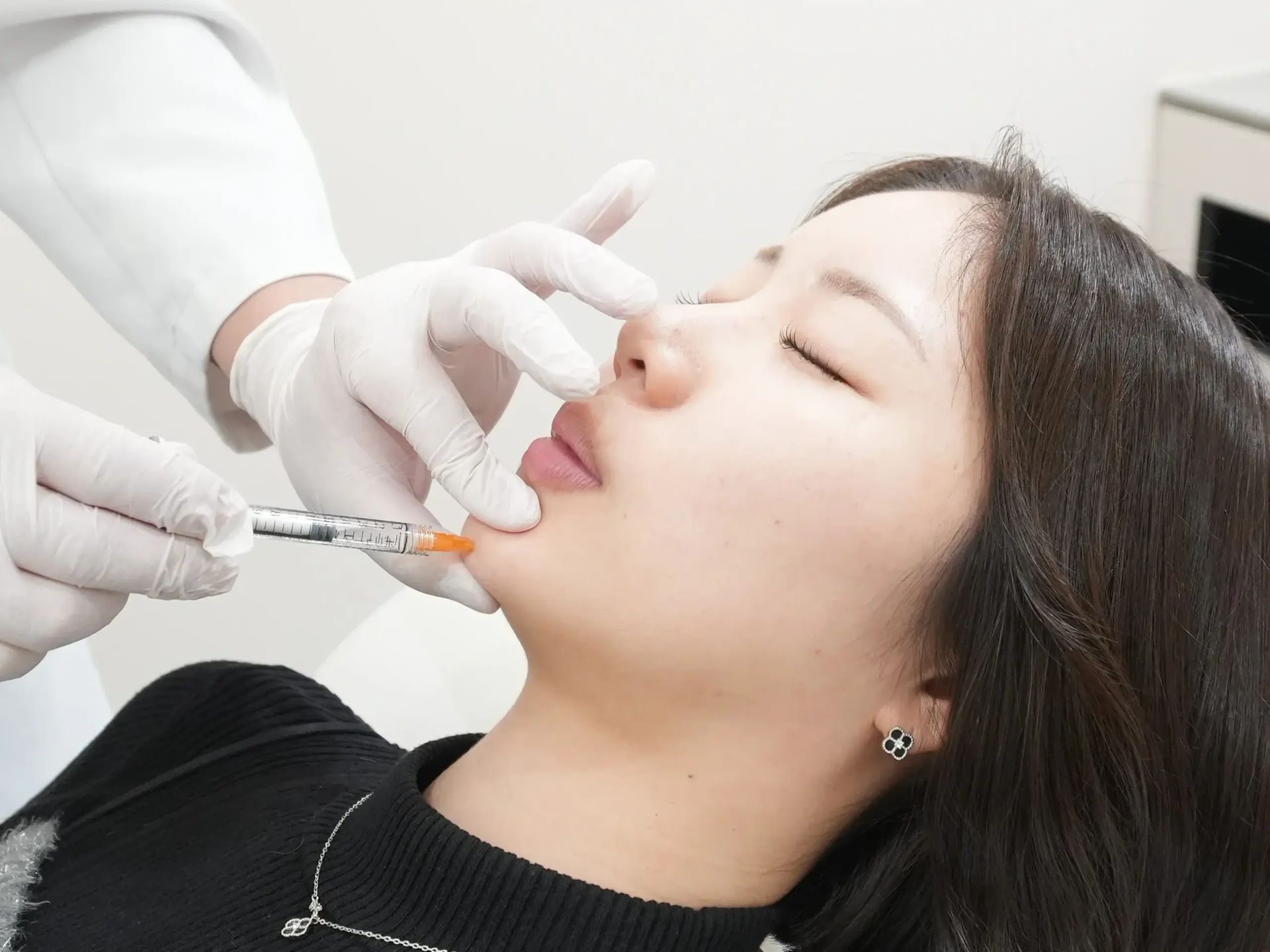
Lips: Swelling Can Temporarily Change the Shape
The lips can look quite different the morning after treatment.
The upper lip may swell more than the lower one.
One side may look fuller, and the lip border may temporarily lose some definition.
At this point, repeated mirror checks tend to raise more questions than they answer.
Firmness, bruising and uneven swelling can all distort the early shape.
Leave the area alone unless your physician has instructed you to massage it.
If the lips become increasingly painful, develop blisters or show unusual color changes, contact the clinic promptly.
Rapid swelling accompanied by breathing difficulty requires emergency care.
Under-Eye Area: Small Irregularities Are Easier to See
Under-eye filler side effects are often noticed in particular lighting.
A ridge may show beside a window but disappear in softer light.
Puffiness can be worse in the morning.
In some cases, the area develops a blue-gray cast or holds fluid longer than expected.
Before treating this area, the physician needs to work out what is making it look hollow.
Sometimes volume is missing.
Sometimes the shadow comes from bone structure, displaced fat or changes in the skin.
Existing morning puffiness is another clue, since filler may make fluid retention more obvious.
Under-eye filler is not the default answer to every dark circle or hollow.
For some clients, it is not the answer at all.
Nose: A Small Area With Serious Vascular Risks
Clients may think of nose filler as a small treatment because the volume used is limited.
From a medical perspective, volume is not what makes this area significant.
The nose has a complex vascular network.
If filler enters a blood vessel or reduces its blood supply, the first clues may be pain, pale skin or a mottled color change.
Visual symptoms can occur in rare cases and require emergency medical care.
Nose filler therefore needs more than a steady injecting hand.
The physician must understand the vascular anatomy, recognize trouble early and have a plan for responding to it.
“No surgery” should not be mistaken for “no meaningful risk.”
Chin, Jawline, Cheeks and Temples: Balance Matters as Much as Volume
A client asking for chin filler may want a cleaner profile, a longer-looking lower face or more definition from the front.
Those are three different requests.
The jawline brings a separate set of decisions.
Product that looks well integrated at one point can appear heavy if it is carried too far forward.
In the cheeks and temples, visible edges, firmness or excessive fullness may be more noticeable than the original hollow.
There is also a knock-on effect.
Moving the chin forward changes the apparent relationship between the nose and lips.
Adding to the cheeks alters the width and light pattern of the midface.
BIANCA physicians review those changes as part of one face rather than a collection of unrelated injection sites.
What Is Normal—and What Should Not Be Ignored?

A bruise that changes from purple to yellow and gradually fades follows a familiar pattern.
Mild tenderness that eases each day is also reassuring.
Early swelling may be uneven, especially in the lips.
The more useful question is often, “What has happened since yesterday?”
Pain that is stronger today needs attention.
Swelling that is spreading rather than settling should be discussed with the clinic.
Heat, increasing redness, discharge and fever are not changes to dismiss as ordinary downtime.
A lump that appears later, after the area had seemed settled, also deserves a review.
Concerns about shape are usually assessed differently from signs of infection or impaired blood flow.
A client may see too much fullness on day two, while the physician sees swelling that needs more time.
Acting before that distinction is clear can complicate the result.
When contacting the clinic, send photographs taken in daylight and describe the sequence.
“It started at 10 a.m., looked the same at noon and was worse by 2 p.m.” is much more helpful than “It looks strange.”
Do not press hard on the area or attempt to move the product yourself.
Rare but Urgent Filler Complications
Vascular occlusion interrupts the blood supply to tissue.
It is rare, but treatment cannot wait when the warning signs appear.
Contact the clinic immediately and seek urgent medical attention for:
- Severe or rapidly increasing pain
- Pale, white, gray or blue skin
- A mottled or net-like pattern
- Skin that feels unusually cool
- Blistering
- Any sudden change in vision
Visual changes can include blurred vision, double vision, a missing section of the visual field or a sudden drop in sight.
Facial filler complications involving blood vessels have, in very rare cases, been linked to tissue damage, visual impairment, blindness and stroke.
The US Food and Drug Administration advises immediate medical attention for unusual pain, visual changes or white, gray or blue skin near an injection site.
Severe allergy presents differently.
Rapid swelling accompanied by difficulty breathing or symptoms beyond the treated area may require emergency care.
Infection may show as increasing heat, redness, discharge, tenderness or fever.
None of these signs should be sent to an online forum while you wait for strangers to vote on whether the reaction looks normal.
Contact the medical team.
Can Fillers Cause Problems Months or Years Later?
A treatment area can become swollen or firm long after the first recovery period.
Delayed inflammatory reactions, infection, nodules and persistent contour changes are among the problems that have been reported.
Migration is possible, although the word is sometimes used too quickly.
Later fullness does not prove that filler has traveled.
Several treatments may have left more product than expected.
The tissue may be retaining fluid. Changes in fat, bone and skin can also alter how older filler sits in the face.
Someone seeking a top-up may therefore be advised to pause.
Adding another syringe without understanding the existing volume can make the original concern harder to correct.
Bring old treatment records if you have them, even when the injections were performed overseas.
The product, amount, date and placement give the physician something firmer to work with than memory or photographs alone.
Dissolving Fillers Is an Option—Not a Simple Reset Button
Hyaluronidase breaks down hyaluronic acid filler.
Physicians use it in different situations, from reducing unwanted volume to responding to certain complications.
The outcome is not as predictable as deleting a line from a photograph.
The filler may sit across several tissue planes.
One area may contain more than one HA product from treatments performed at different times.
Some gels respond quickly; others require further assessment and another session.
Hyaluronidase can also produce swelling, so the face immediately afterward does not show the finished result.
There is a risk of allergic reaction as well.
Just as importantly, hyaluronidase does not dissolve every injectable.
Collagen-stimulating products and permanent fillers need different management.
Before using the enzyme for a cosmetic concern, the physician checks whether the apparent excess is truly filler.
Early swelling can mimic overfilling.
Once the gel is reduced, any hollow that existed before treatment may become visible again.
A vascular emergency is another matter entirely.
There, hyaluronidase may form part of urgent medical management, and the priority is protecting tissue rather than making a fine adjustment to contour.
What BIANCA CLINIC Looks at Before Injecting Filler

A client may arrive asking for one syringe in the lips or two in the cheeks.
That gives us a starting point, not a final plan.
The physician first identifies what the client wants to change.
A request for fuller lips might mean more volume, a clearer border or better balance between the upper and lower lip.
Each leads to a different discussion.
We then look beyond the requested feature.
How do the cheeks support the under-eye area? Does the chin sit in balance with the nose and lips? Would temple volume soften the upper face, or would it add fullness where none is needed?
Previous injectables are part of the examination.
Product placed years ago may still influence the contour, even if the client no longer remembers the brand.
BIANCA offers several HA filler formulations rather than using one gel everywhere.
Selection depends on how much movement, softness or support is required.
The physician then determines the volume and placement.
Sometimes that is less than the client expected.
Occasionally, the recommendation is to leave the area untreated.
For details on available products, treatment areas, procedure steps, and current pricing, explore hyaluronic acid fillers at BIANCA CLINIC in Tokyo.
Planning Filler Treatment During a Visit to Tokyo

The last afternoon of a Tokyo trip may look like a convenient time for an appointment.
It is not convenient if the flight leaves the next morning and the client wants the swelling checked.
Bring the itinerary to the consultation.
Mention flights, photography, weddings and important dinners.
The physician can then discuss whether the available recovery window is realistic.
Before leaving the clinic, confirm:
- The product and volume used
- How to contact the clinic from overseas
- Whether a review is possible before departure
- Which symptoms need an urgent call
- Whether recent illness, dental work or another procedure changes the plan
Past filler records are especially helpful for international clients.
“Cheek filler, possibly three years ago” is better than no history, but a product label or treatment record removes some of the guesswork.
BIANCA provides complimentary consultation and interpreter support.
International clients also receive aftercare information and contact guidance for concerns that arise after they leave Tokyo.
Frequently Asked Questions About Fillers Side Effects
How long do swelling and bruising usually last?
It depends on the area and the way the individual tissue responds.
Mild bruising and swelling often begin to ease over several days.
Do not wait for a standard recovery deadline if the symptoms are becoming more painful or the skin color is changing.
How can I tell swelling from too much filler?
During the first few days, it may be impossible to tell from appearance alone.
The physician considers when the fullness developed, whether it is changing and how the tissue feels before deciding whether it needs more time or further treatment.
Can filler migrate years after treatment?
Yes, migration can occur.
It is not the only possible cause of later fullness, though.
Fluid retention, repeated injections, remaining product and age-related tissue changes can look similar.
Can all fillers be dissolved?
No. Hyaluronidase works on hyaluronic acid filler.
It does not dissolve permanent fillers or every collagen-stimulating injectable, and some HA filler concerns need more than one session.
Should I massage a lump after filler treatment?
Only when your treating physician tells you to.
Swelling, misplaced filler and inflammatory nodules are not managed in the same way, even if they look similar in a mirror.
When should I contact the clinic immediately?
Severe or increasing pain, pale or mottled skin, blistering and visual changes require urgent contact.
Seek emergency medical care for breathing difficulty or any sudden problem with vision.
A Good Filler Plan Includes What Happens Afterwards
The final check in the treatment room is not the end of a filler appointment.
The client still needs to know what may look different that evening, what can wait until morning and what requires an immediate call.
Before treatment, the physician’s work is largely about choices: where to inject, where not to inject, which gel fits the area and how much the face can carry without losing its existing character.
After treatment, the job changes to observation and follow-up.
Most bruises and mild swelling settle.
If the recovery takes another direction, the client should already know who to contact.