
REDUCTION RHINOPLASTY

Interpretation and counseling services are free of charge.
*Some doctors may require an additional fee for selection.
Price List
- Nose full/Nasal septum lengthening, nasal tip formationnose prosthesis SET
- Nasal prosthesis silicone
- Custom prosthesisprocessing fee
- Prosthesis removal
- Nasal septum extension/costal cartilage transplant
- Nasal septum extension/Nasal septal cartilage transplant
- Nasal septum extension/auricular cartilage transplantation
- Rhinoplasty
- Auricular cartilage transplantation
- Nasal tip cartilage transplant/Costal cartilage, nasal septal cartilage, auricular cartilage
- Colmera strut method
- The tip of the nose is reduced
- Nasal tip reduction/Combined with nasal tip formation or nasal septum extension
- Oblique nose correction
- Oblique nose correction/Combined with nasal septum lengthening
- Ax nose correction
- Hump resection
- Nasal septum correction
- Nose wing reduction 1 place
- Nose wing reduction 2 place
- Flap method
- Nostril margin elevation
- Nostril rim elevation/Combined with nasal alar reduction
- Nostril margin descending/auricular cartilage transplantation
- Nostril margin descending/Skin + auricular cartilage transplant
- Columella descent/auricular cartilage transplantation
- Alar base prosthesis
- Base of nasal alar/Crushed costal cartilage transplantation
- Other hospital correction
- Nasal MRSA test
Treatment Area
-
Nose
Interpretation and counseling services are free of charge.
*Some doctors may require an additional fee for selection.
Recommended for
-
People who feel their nose is too wide or long and want a naturally refined shape
-
People who want a balanced nose that harmonizes with their facial features
-
People seeking long-lasting results without overdone or artificial looks
-
People who prefer a minimally invasive procedure with shorter recovery time
-
People who want to subtly improve their profile while maintaining their unique identity
-
People who want to reduce their nose size without noticeable surgical scars
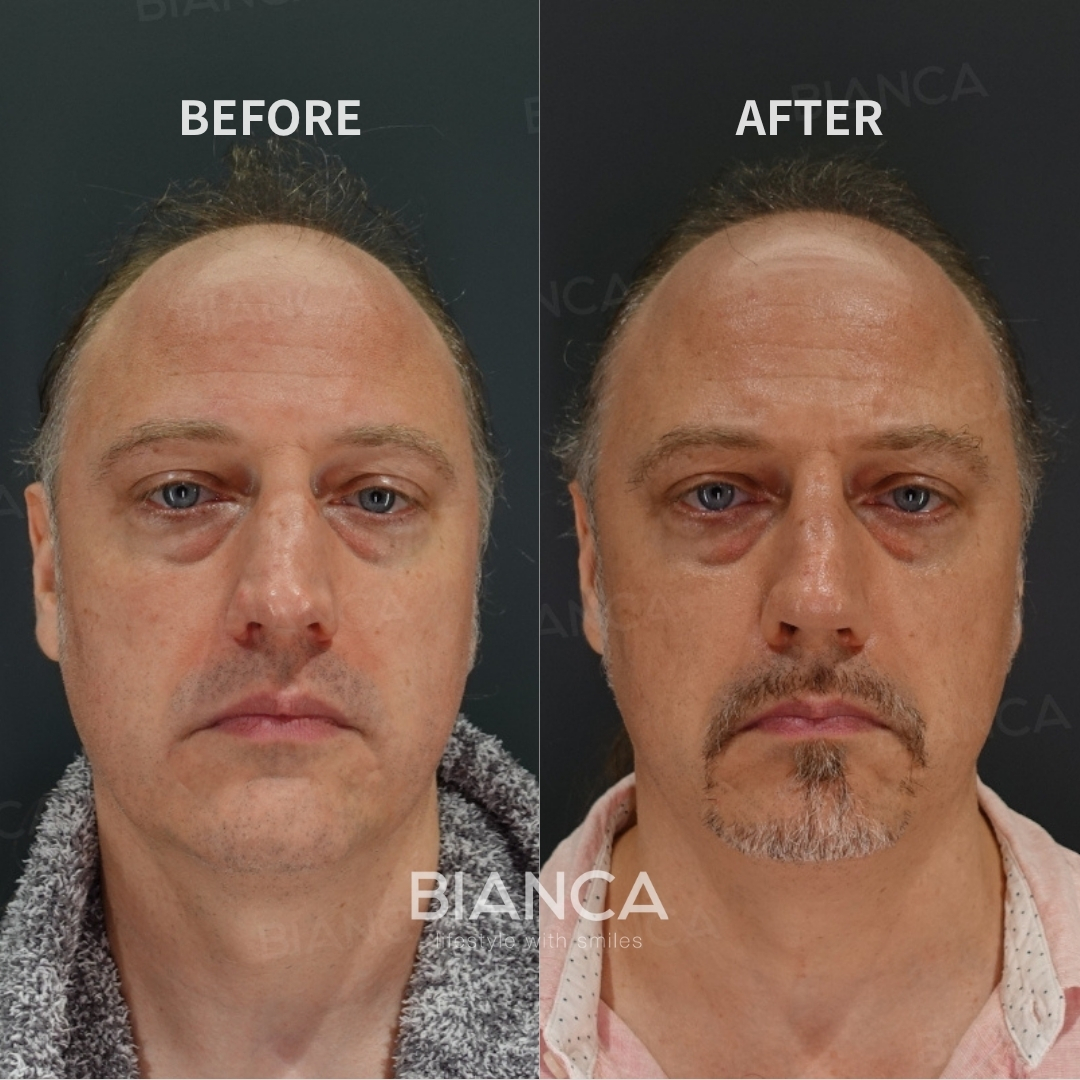
RESULTS (Before/After)
FEATURES
-
What is Reduction Rhinoplasty?
Reduction Rhinoplasty is a cosmetic procedure designed to refine and reduce the size of the nose while maintaining natural harmony with the face. It helps achieve a more balanced and elegant profile.
-
Minimally Invasive Technique
Using precise surgical methods, the procedure reduces trauma, limits visible scarring, and allows for a quicker recovery compared with traditional rhinoplasty.
-
Customizable and Long-Lasting Results
The surgery is tailored to each patient’s facial structure, ensuring the nose complements the overall features while providing stable and durable results.
-

Swelling
Swelling around the nose and under the eyes is common right after surgery.
It usually peaks within 2–3 days, then gradually improves.
Most of the noticeable swelling subsides within about 1 week and can be covered with a mask.
The final natural appearance may take 1–3 months as the tissues fully settle. -
Bruising
Certain patients may experience bruising around the lower eyelids or cheeks, appearing blue or purple at first.
Typically fades within 1–2 weeks, changing to a yellowish color before disappearing. -
Pain
Mild pain, pressure, or discomfort may occur for 2–3 days after surgery.
Pain is usually well controlled with prescribed medication.
Severe pain that interferes with daily activities is uncommon. -
Impact on Daily Life
You may need to wear a splint or tape for several days to support the new nose shape.
Washing your face, bathing, and applying makeup should follow the doctor’s instructions.
Strenuous exercise, alcohol consumption, and long baths may worsen swelling or bruising and should be avoided for about 2 weeks.
Treatment Benefits
-
Naturally Refined Appearance
By adjusting the size and shape of the nose, the overall harmony with the eyes, lips, and jawline is enhanced, creating a more natural and refined appearance.
-
Customized to Individual Features
Techniques such as alar base reduction, tip refinement, or nasal bone contouring can be combined to address individual needs and desired outcomes.
-
Natural-looking outcome
The focus is not on making the nose unnaturally small, but on achieving balance and harmony with the rest of the face, making the change subtle and discreet.
TREATMENT PROCESS
-
Consultation
The doctor will carefully examine your nose and facial balance to determine the best approach for surgery. During this session, you can share your desired image, concerns, and expectations. We will also explain the surgical methods, costs, and risks. Once you are satisfied with the plan, we will schedule the procedure.
The doctor will carefully examine your nose and facial balance to determine the best approach for surgery. During this session, you can share your desired image, concerns, and expectations. We will also explain the surgical methods, costs, and risks. Once you are satisfied with the plan, we will schedule the procedure.
-
Design & Anesthesia
Before surgery, the doctor will design the ideal nose shape that suits your face, marking the areas to be corrected. You will be able to confirm the design in a mirror while the doctor explains the details. Once the design is finalized, anesthesia will be administered to ensure a safe and comfortable procedure.
Before surgery, the doctor will design the ideal nose shape that suits your face, marking the areas to be corrected. You will be able to confirm the design in a mirror while the doctor explains the details. Once the design is finalized, anesthesia will be administered to ensure a safe and comfortable procedure.
-
Procedure
Following the anesthesia, the doctor will perform the operation according to the planned design. Techniques such as bone or cartilage reduction, reshaping, or suturing may be used depending on your needs. The procedure is carried out with precision to achieve natural and balanced results.
Following the anesthesia, the doctor will perform the operation according to the planned design. Techniques such as bone or cartilage reduction, reshaping, or suturing may be used depending on your needs. The procedure is carried out with precision to achieve natural and balanced results.
-
Aftercare
After surgery, the doctor will explain important aftercare instructions, including how to manage swelling and prevent infection. You may be required to wear a splint or tape for several days to support the new shape. Makeup can usually be resumed after stitches or dressings are removed, depending on your recovery. If you have any concerns during the healing process, our team will provide full support.
After surgery, the doctor will explain important aftercare instructions, including how to manage swelling and prevent infection. You may be required to wear a splint or tape for several days to support the new shape. Makeup can usually be resumed after stitches or dressings are removed, depending on your recovery. If you have any concerns during the healing process, our team will provide full support.
PRICE LIST
View the price list for REDUCTION RHINOPLASTY
-
Nose full/Nasal septum lengthening, nasal tip formationnose prosthesis SET
Regular Price ¥1,320,000(tax inc.) Case Model Price ¥990,000(tax inc.) -
Nasal prosthesis silicone
Regular Price ¥330,000(tax inc.) Case Model Price ¥264,000(tax inc.) -
Custom prosthesisprocessing fee
Regular Price ¥220,000(tax inc.) Case Model Price ¥176,000(tax inc.) -
Prosthesis removal
Regular Price ¥165,000(tax inc.) Case Model Price ¥132,000(tax inc.) -
Nasal septum extension/costal cartilage transplant
Regular Price ¥880,000(tax inc.) Case Model Price ¥704,000(tax inc.) -
Nasal septum extension/Nasal septal cartilage transplant
Regular Price ¥770,000(tax inc.) Case Model Price ¥616,000(tax inc.) -
Nasal septum extension/auricular cartilage transplantation
Regular Price ¥660,000(tax inc.) Case Model Price ¥528,000(tax inc.) -
Rhinoplasty
Regular Price ¥330,000(tax inc.) Case Model Price ¥264,000(tax inc.) -
Auricular cartilage transplantation
Regular Price ¥330,000(tax inc.) Case Model Price ¥264,000(tax inc.) -
Nasal tip cartilage transplant/Costal cartilage, nasal septal cartilage, auricular cartilage
Regular Price ¥330,000(tax inc.) Case Model Price ¥264,000(tax inc.) -
Colmera strut method
Regular Price ¥110,000(tax inc.) Case Model Price ¥88,000(tax inc.) -
The tip of the nose is reduced
Regular Price ¥330,000(tax inc.) Case Model Price ¥264,000(tax inc.) -
Nasal tip reduction/Combined with nasal tip formation or nasal septum extension
Regular Price ¥165,000(tax inc.) Case Model Price ¥132,000(tax inc.) -
Oblique nose correction
Regular Price ¥660,000(tax inc.) Case Model Price ¥528,000(tax inc.) -
Oblique nose correction/Combined with nasal septum lengthening
Regular Price ¥330,000(tax inc.) Case Model Price ¥264,000(tax inc.) -
Ax nose correction
Regular Price ¥220,000(tax inc.) Case Model Price ¥176,000(tax inc.) -
Hump resection
Regular Price ¥330,000(tax inc.) Case Model Price ¥264,000(tax inc.) -
Nasal septum correction
Regular Price ¥660,000(tax inc.) Case Model Price ¥528,000(tax inc.) -
Nose wing reduction 1 place
Regular Price ¥330,000(tax inc.) Case Model Price ¥264,000(tax inc.) -
Nose wing reduction 2 place
Regular Price ¥440,000(tax inc.) Case Model Price ¥352,000(tax inc.) -
Flap method
Regular Price ¥55,000(tax inc.) Case Model Price ¥44,000(tax inc.) -
Nostril margin elevation
Regular Price ¥330,000(tax inc.) Case Model Price ¥264,000(tax inc.) -
Nostril rim elevation/Combined with nasal alar reduction
Regular Price ¥165,000(tax inc.) Case Model Price ¥132,000(tax inc.) -
Nostril margin descending/auricular cartilage transplantation
Regular Price ¥330,000(tax inc.) Case Model Price ¥264,000(tax inc.) -
Nostril margin descending/Skin + auricular cartilage transplant
Regular Price ¥385,000(tax inc.) Case Model Price ¥308,000(tax inc.) -
Columella descent/auricular cartilage transplantation
Regular Price ¥330,000(tax inc.) Case Model Price ¥264,000(tax inc.) -
Alar base prosthesis
Regular Price ¥330,000(tax inc.) Case Model Price ¥264,000(tax inc.) -
Base of nasal alar/Crushed costal cartilage transplantation
Regular Price ¥330,000(tax inc.) Case Model Price ¥264,000(tax inc.) -
Other hospital correction
¥220,000(tax inc.)~ -
Nasal MRSA test
¥5,500(tax inc.)
FAQ
- Q How painful is the recovery?
-
A
Most patients report only mild discomfort or pressure rather than severe pain. Prescribed medication will help you stay comfortable during recovery.
- Q When can I return to work or school or work?
-
A
Many patients return to daily activities within 1 week, once major swelling and bruising subside. However, this can vary depending on the procedure and individual healing.
- Q Can I wear glasses after nose surgery?
-
A
Glasses should be avoided for about 4–6 weeks, as the pressure may affect healing. Contact lenses are recommended during this time if possible.
- Q How soon can I start wearing makeup again?
-
A
Light makeup on areas away from the nose can usually be applied after a few days, but makeup directly on the nose should be avoided until stitches or dressings are removed, following your doctor’s instructions.
- Q Will the results look natural?
-
A
Our goal is to enhance facial harmony while maintaining a natural appearance. During consultation, the doctor will carefully design the shape to suit your features and desired outcome.
- Q What type of anesthesia is used?
-
A
When performed by an experienced, qualified surgeon, rhinoplasty is generally safe. As with any surgery, there are risks such as infection, bleeding, or asymmetry, but these are minimized with proper care and follow-up.
- Q Can I combine nose surgery with other procedures?
-
A
Yes, many patients choose to combine rhinoplasty with procedures such as chin augmentation or eyelid surgery to achieve overall facial balance. This can be discussed during your consultation.
- Q How should I prepare for the surgery?
-
A
Before surgery, avoid alcohol and smoking for a few days, get plenty of rest, and follow any specific instructions provided by your doctor. Bringing a trusted companion on the day of surgery is also recommended.