


Women’s Holistic Health Care and Female Wellness Unpacked
Women’s health care in Japan is a deeply interconnected subject that requires a broad range of understanding. It is not primarily associated with the treating of symptoms, but instead; more about developing a comfortable, dignified, and fulfilling lifestyle associated with confidence and wellness. In Japan, many clinics offer thoughtful pathways that blend medical rigor with psychological support, and this guide is designed to explain what female wellness is in simple language, so that those new to the concept can understand the choices available for them, without feeling overwhelmed. You will find practical advice on safety, realistic results, and when to see a specialist along with our recommendations and suggestions for improved female wellness.
Before we begin our guide to women’s health care, if at any point you would like to ask questions or contact us, BIANCA CLINIC has an open-door policy so that patients both online and in person can receive the best possible feedback. We have board-certified obstetrician-gynecologists (OB-GYN) and female urologists available to tailor plans to your unique anatomy, should you look to pursue treatment with us.
What Female Wellness Means within Women’s Health Care Treatment
Female wellness is a broad term for several finely tuned treatments that were created with the purpose of improving women’s health care. Some of the treatments include pelvic floor strengthening, vaginal comfort, bladder control, sexual well-being, and emotional ease in daily life. Think of the pelvic floor as a supportive hammock of muscles. When these muscles or nearby tissues weaken—after childbirth, with hormonal changes, or simply over time—you might notice dryness, chafing, reduced tone, or mild urine leaks. A range of treatments can gently encourage collagen (the body’s natural scaffolding) and strengthen muscles. Though results vary from person to person, responsible clinics tend to avoid absolute guarantees, but since this is not a quick-fix, regular communication with an OB-GYN or a female urologist is the best way to dispel symptoms that affect your daily life. By doing so, experienced clinicians can design safe, stepwise plans for improved female wellness. Take a look at the list below and see if any of these symptoms persistently affect your female wellness.
Common Women’s Health Care Issues
- Dryness and irritation: often linked to hormonal shifts which can make intimacy uncomfortable.
- Leaks when coughing or sneezing: called stress urinary incontinence which is usually mild at first but if not addressed overtime can erode confidence.
- Vaginal laxity: a common issue particularly after childbirth where a looser feeling degrades self-esteem.
- Labia chafing or asymmetry: this is usually characterized by physical discomfort in sportswear or swimsuits and can affect enthusiasm for exercise.
Women’s Health Care and Aesthetic Gynecology in Japan
As mentioned above, some of the common issues facing countless women around the world today can slowly decrease confidence and wellbeing. But that begs the question, “why should I come to Japan for women’s health care treatment?” Well, Japanese aesthetic medicine is known for its precision, hygiene, and careful follow-up. Unlike other countries, clinics commonly use devices that are cleared for use globally and not just nationally. Plus, medical spas in Japan maintain strict sterilization, single-use tips, and meticulous room preparation. Japan is also a service nation, where consultations are never hurried, plain-language explanations are given, and printed aftercare is provided for further support. Privacy is also highly respected, and chaperones are usually available depending on the medical spa you go to. It is this combination of safety and clarity that helps build trust, one of the key foundations for women’s health care, and why female wellness programs remain as popular as ever in Japan.
Female Wellness Options: Non-surgical and Surgical
Your pathway is precisely that, yours. It can be as conservative as you like with minimally invasive treatments, or the opposite, surgical intervention. All of which are dependent on your goals, anatomy, and lifestyle. A specialist will help you weigh up potential comfort, downtime, and cumulative effect across several visits. So, at BIANCA CLINIC we have created a beginner-friendly overview to support informed choices in female wellness and women’s health care, starting with non-surgical techniques.
Non-Surgical Energy Treatments
Lasers (such as CO2 or Er:YAG) and radiofrequency treatments create gentle heat in the vaginal wall and vulvar skin. This may stimulate collagen and improve moisture, tone, and mild leaks. Sessions are typically short, and many people return to their normal routine the same day. You should avoid intercourse and tampons for a few days afterwards but on the whole, these methods are not suitable with active infections or during pregnancy and should be performed by an OB-GYN or female urologist experienced in intimate procedures. Some of the benefits to this procedure are the speed at which the treatment can be undertaken, they’re relatively pain free (little to no anesthesia) and have minimal downtime. You will notice gradual improvement in comfort and tone over weeks, though some maintenance may be needed as directed by your medical clinician. During your downtime you may have some light spotting or warmth but all typically within the preceding 1-2 days afterwards.
Pelvic Floor Therapies
High-Intensity Focused Electromagnetic (HIFEM) chairs stimulate powerful pelvic contractions, like guided exercise. Biofeedback also helps you to see and control the right muscles. In fact, these are clothing-on sessions with no incisions and proven to target women who have trouble with leakage and support issues. Many programs available today include several tailored sessions, then periodic maintenance. What’s more, there is no downtime, though you may feel workout-like fatigue.
Injectables
Extracellular matrix (ECM) formulations are bio-supportive preparations that aim to nourish the local tissue scaffold and microenvironment, complementing your body’s collagen and elastin to support comfort and resilience. In addition, hyaluronic acid gel can boost local hydration and softness. Though evidence for both is still evolving, and results do vary depending on the individual, as with any injectable treatment please be aware that temporary swelling or bruising can occur. If infections, which are rare, do appear, they are always treated first to allow for the speediest recovery. Unfortunately, these options are not appropriate during pregnancy or with other, active pelvic infections, and caution is advised for autoimmune conditions. Treatments should always be performed by specialists familiar with intimate anatomy, sterile technique, and product selection which is cleared for use globally and in Japan.
Surgical options
Surgery can reshape or tighten tissue for comfort, symmetry, or support. Labiaplasty focuses on the labia to reduce chafing and improve contour, typically under local anesthesia with careful suturing. Vaginal wall plasty (often an anterior and/or posterior colporrhaphy) targets the vaginal walls and supporting fascia to reduce bothersome laxity and, in selected cases, improve mild stress urinary incontinence. Techniques may include tightening stretched tissues and reinforcing the perineal body to enhance support. It may be performed under local anesthesia or general anesthesia, depending on the extent of the procedure.
However, being a more invasive surgical procedure, you should expect a quiet recovery period for about four weeks away from intense exercise after labiaplasty. Similarly, four weeks recovery is usually advised with vaginal wall plasty, and sexual activity is generally paused for about four to six weeks to allow the body to fully heal. As with any surgery, risks include bleeding, infection, scarring, asymmetry, or over-tightening (which could cause discomfort with intercourse). That is why choosing an experienced surgeon who is an OB-GYN, female urologist, or plastic surgeon with strong experience in intimate surgery, should be your main priority.
BIANCA CLINIC’s Step-by-Step Women’s Health Care Flow
In terms of our methodology, a typical pathway at BIANCA CLINIC is designed to be clean, safe, and easy to understand. The team emphasizes medical-grade hygiene, clear consent, and follow-up as a key element of women’s health care and female wellness. Below is a rough outline of what you can expect with treatment at BIANCA CLINIC:
Step 1: Pre-visit questionnaire and private check-in to clarify goals and sensitivities.
Step 2: Specialist consultation with an OB-GYN or female urologist. Your anatomy and concerns are explained in plain words, with diagrams and projections.
Step 3: Personalized plan and transparent quote. You can review realistic timelines and typical before and after ranges to set expectations.
Step 4: All major safety checks are undertaken, including a pelvic examination if appropriate, infection screening, and pregnancy testing when requested. For energy device treatment, a spot test may be performed as well with all pretesting and testing requiring written informed consent.
Step 5: On procedure day antiseptic cleansing, local anesthesia or topical numbing as needed are applied. Followed by vital sign monitoring, and single-use tips on devices that are cleared for use in Japan and overseas.
Step 6: Guided aftercare is provided in paper and digital form on hygiene, activity pause, ointments, and warnings to watch out for such as increasing pain or unusual discharge.
Step 7: Follow-up is often a check-in call within 48 hours and an in-clinic review at 1–3 months’ time (depending on patient availability). Maintenance is also available and scheduled if deemed beneficial by clinicians or if requested by patients.
Comparing Similar Treatments
There are lots of treatments available with us or in other reputable medical spas, so choosing wisely means matching your goals, comfort level, and downtime. If you are still unsure what the best treatment is, here is a simple comparison to discuss with your specialist.
Laser vs. Radiofrequency
| Topic | Laser treatment | Radiofrequency treatment | Both |
| Mechanism | Lasers target water in tissue. | Radiofrequency warms deeper layer tissue. | Aims to support collagen and comfort. |
Both treatments are undertaken with gradual and multiple sessions. They are suitable for mild-to-moderate concerns in female wellness plans and have a downtime that is usually light. Though short-term abstinence from intercourse and internal products are strong recommendations for a month or so.
HIFEM chair vs. Kegels
| Topic | HIFEM | Kegels | Both |
| Mechanism | Strong, repeatable contractions that are helpful if home exercises are hard to perform consistently. | These are of course free and something that can be performed by oneself in the comfort of their home. | Though one is artificial and one natural, pairing them together increases the speed and strength of your desired effect. |
Neither requires any downtime but expect a workout-like fatigue or a feeling like you have just been to gym.
Labiaplasty / Vaginal Wall Plasty vs. Energy-Based Tightening
| Topic | Labiaplasty / Vaginal Wall Plasty | Energy-Based Tightening | Both |
| Mechanism | Surgery changes structure by removing, reshaping, or tightening tissue (labiaplasty for the labia; vaginal wall plasty for internal support and tightening). | Energy-based tightening keeps tissue intact and may improve texture and tone with faster return to routine.
|
Both require expert consultation as it will depend on the extent of your goal. Think permanent restructuring or regular contouring. |
In terms of downtime, Labiaplasty / Vaginal Wall Plasty does require more recovery time but can offer durable, structural results when indicated. Energy-based tightening on the other hand requires less downtime but typically demands multiple sessions and more maintenance.
ECM formulations and Hyaluronic acid
| Topic | ECM formulations: | Hyaluronic acid | Both |
| Mechanism | Designed to support the tissue scaffold and comfort. | Adds hydration and volume. | Both produce temporary results that vary and require maintenance. |
Downtime is similar for both treatments with 1-3 days being the typical recovery period, depending on the individual.
How to Choose Safely
For any female wellness plan, verify credentials and ask direct questions. You should always choose board-certified OB-GYNs or female urologists with intimate-procedure experience. You should also confirm that devices are cleared for use in Japan and overseas, that single-use consumables are opened in front of you, and that emergency protocols exist (should you need them). Always request written aftercare, discuss downtime honestly, and be cautious of absolute promises. If you are still unsure, don’t be afraid to get a second opinion which is common and accepted in the women’s health care industry.
The Wrap Up
When it comes to thoughtful women’s health care, a blend of science, compassion, and privacy is key to achieving patient goals. In addition, Japan’s clean, safety-focused approach and skilled specialists can make female wellness more comfortable and understandable. Whether you start with pelvic floor therapy, explore energy-based care, or consider minor surgery, partner with an OB-GYN or female urologist and follow a clear, stepwise plan—such as the BIANCA CLINIC flow mentioned above—to make informed, confident choices without pressure or unrealistic claims. We look forward to hearing from you with any questions you may have, and hope you look further into the new world of women’s health care, to get the lifestyle you deserve.
Biography

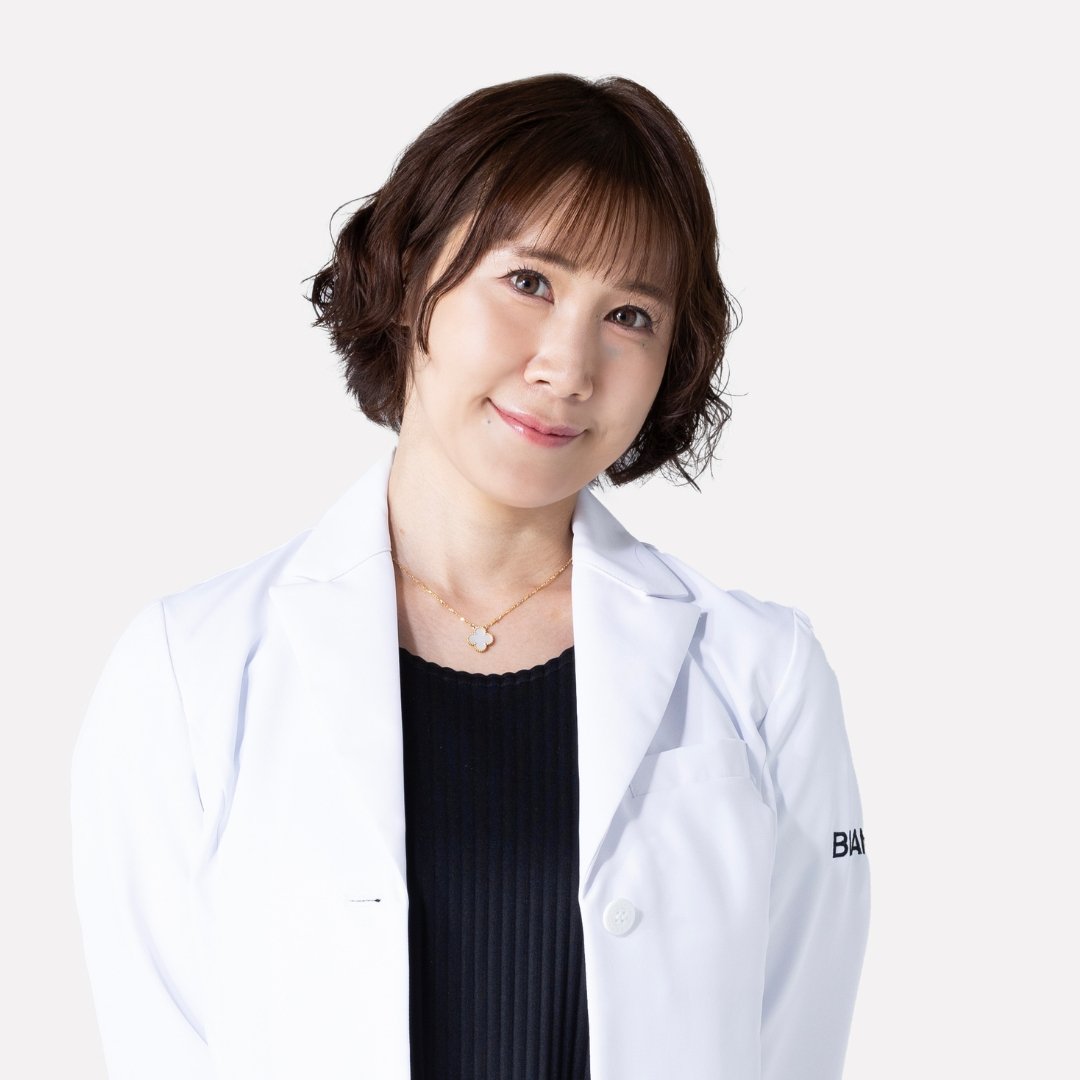
| Dr. Akiko Miyamoto, Board-Certified Obstetrician & Gynecologist / Certified Trainer in Aesthetic GynecologyDr. Akiko Miyamoto is a leading expert in aesthetic gynecology, specializing not only in gynecological care but also in vaginal rejuvenation and sexual wellness. With a compassionate and empowering approach, she is dedicated to helping women embrace and enjoy every stage of womanhood. At BIANCA CLINIC, Dr. Miyamoto provides comprehensive women’s health and aesthetic treatments, including vaginal rejuvenation therapy, vaginal hyaluronic acid injections, and gynecological cosmetic surgery (such as labiaplasty and hood reduction). She also offers routine gynecological consultations, menstrual and contraceptive management with oral pills and levonorgestrel-releasing intrauterine systems (LNG-IUS), supporting women’s quality of life (QOL) from both medical and aesthetic perspectives. In March 2024, she was appointed as the world’s first and only Medytox-certified instructor for vaginal hyaluronic acid injection, a prestigious recognition that underscores her international leadership in this field. Areas of Expertise: Vaginal hyaluronic acid injection, Labiaplasty (labia minora reduction), Clitoral hood reduction, Vaginal rejuvenation injection and more… |
Book a Consultation Today
📲 Follow us for updates! BIANCA international Instagram
🔹 How to Book Your Appointment
Click the link below and fill the form with your concerns, referral code if you have any and day/time preferred.
📌Click for bookings
Walk-ins are welcome!
📝 Note: All consultations, treatments, and follow-up visits include free translation services —no extra fees!
Clinic Locations
📍 Ginza Clinic
12F Ginza ONE, 1-8-19 Ginza, Chuo-ku, Tokyo, Japan
☎ 050-3196-4834
🚇 Access:
🚶♀️ A 4-minute walk from Ginza Station on the Tokyo Metro Ginza Line.
🚶♀️ A 1-minute walk from Exit 7 of Ginza-itchome Station on the Tokyo Metro Yurakucho Line.
🚶♀️ A 3-minute walk from Exit 3 of Kyobashi Station on the Tokyo Metro Ginza Line.
🚶♀️ An 8-minute walk from the Kyobashi Exit of JR Yurakucho Station .
📍 Omotesando Clinic
Minami-Aoyama 511 Building 2F, 5-11-10 Minami-Aoyama, Minato-ku, Tokyo, Japan
☎ 050-1807-1593
🚇 Access:
🚶♀️ A 5-minute walk from Exit B1 of Omotesando Station on the Tokyo Metro Ginza Line, Hanzomon Line, and Chiyoda Line.
Consultation Hours: 10:00–19:00 Closed: Irregular holidays
About BIANCA Clinic
At BIANCA, we redefine beauty care by offering a holistic approach that transcends traditional cosmetic surgery and dermatology. 20 specialized doctors in different fields including plastic surgery, dermatology, internal medicine, regenerative medicine, gynecology will carefully listen to your needs and help you to enhance your beauty and wellness from the inside out. We are committed to creating personalized treatment plans with precision and care, and ensuring you experience the true spirit of Japanese omotenashi and hospitality.