

Tokyo’s Rapidly Growing Treatment: The Rise of Longevity Programs
Longevity is no longer a word associated with the future alone. It incorporates a mindset for the future that starts with action in the present. Recently, it has seen a huge spike in popularity over the last few years and Tokyo has become the epicenter for this new wellness trend, where long workdays, dense commutes, and an aging population have led people to think deeply about longevity. In fact, if you have ever typed “longevity programs near me” or “longevity in Tokyo”, you can already see several clinics offering services to patients seeking nearby access, credible guidance and measured results.
So why all this attention now? Well Japan, which has a staggering 29% of its population aged 65 or above (the highest out of the OECD countries), has realized there is little it can do to stop the rise. What they can do though, is use longevity programs to develop a solution to the common concerns of old age. Targeted in the program are most commonly a combination of the following: low energy, stubborn weight, dull or sun-damaged skin, rising blood pressure, elevated HbA1c (a 3‑month average of blood sugar), and creeping brain fog. Many know that some of these issues are unpreventable but what longevity programs enable is an increase in healthspan, where the elderly can live with more strength, clarity, independence and vitality.
Listed below is a beginner-friendly guide of the evidence that supports longevity programs in Tokyo. We have also included a checklist so that those who search for “longevity programs near me” can find trustworthy services.
6 Science-Backed Longevity Basics
1.Movement: VO2 max and Strength Are High-Impact Levers
When it comes to predictions about the quality of life you will have in the future, cardiorespiratory fitness, measured by VO2 max (your maximum oxygen intake during exercise) is one of the most important indicators of long-term survival. During the analysis of Metabolic Equivalent of Task (MET) an increase in 1-MET is linked to approximately 10-15% lower mortality. In terms of actions associated with MET, aiming for 150-300 minutes per week of moderate activity (brisk walking or gentle cycling) is ideal. Or alternatively, 75–150 minutes of vigorous activity, (with an optional 2–3 resistance sessions to preserve muscle and bone density) is optimal. In Tokyo, just adding in walks from the train station and the use of stairs (instead of escalators) can become a daily training advantage.
2.Nutrition: Protein, Fiber, and Glycemic Stability
Protein supports muscle maintenance and satiety; many adults do well with about 1.2–1.6 g per kg of body weight each day, especially as they age. Fiber (25–35 g/day) supports gut health and cholesterol control. Keep glycemic variability—those ups and downs in blood sugar—steady by favoring whole foods: fish, tofu, eggs, vegetables, legumes, and minimally processed grains. In Tokyo, it is easy to build a balanced “bento diet” with salmon, seaweed covered rice, edamame, pickled plums, and greens; just be mindful of sugary drinks and ultra‑processed snacks.
3.Sleep and Light: Protect Your Circadian Rhythm
In Tokyo, most adults don’t get enough sleep with the WHO recommending between 7–9 hours each day. Yet when you sleep is just as important as how much you sleep, with morning outdoor light helping to structure your internal clock. In truth, dimming lights at night and limiting screen time at least an hour before bed can greatly improve sleep quality. If caffeine is a part of your routine, try to stop by early afternoon to avoid sleep fragmentation because better sleep is the path to better longevity. One of the fastest wins in a longevity plan is focusing on light and sleep, as it is crucial in its support of immunity, metabolic control, and mood.
4.Stress, Social Ties, and Purpose
As in all countries, stress is a common denominator. In Tokyo, chronic stress, often from overworking, elevates cortisol which leads to a raise in blood pressure and disruption of blood sugar. Therefore short, daily practices such as breathwork, mindfulness, or a 10‑minute walk can lower physiological stress leading to lower cortisol levels. Sometimes having a strong social connection to those around you can act like a health multiplier. In Tokyo, recreational clubs, volunteer groups, and community fitness meetups can deliver both friendship and accountability. Even a simple search “near me” can help you to find a social network and give you a greater sense of purpose—often called “Ikigai” in Japan—which correlates with better health and increased longevity.
5.Prevention: Biomarkers and Screening
When it comes to tracking your healthspan, turning a goal into an action is essential. We recommend looking at your epigenetic clock (DNA methylation–based age), now a field‑standard measure worldwide. It measures your biological age instead of your chronological age, creating a baseline for predicting longevity. When using it alongside other core indicators such as HbA1c (blood sugar control), ApoB (a strong marker of atherogenic cholesterol), high‑sensitivity CRP (inflammation), and a basic metabolic panel, we can accurately predict your future risks. Blood pressure control is also a critical factor. By lowering systolic pressure by about 10 mmHg, we can safely assume substantially fewer cardiovascular events. Therefore, with age‑appropriate screening (for example, colorectal, breast, and cervical screening) we can reduce any late surprises. Many hospitals and clinics in Tokyo offer comprehensive checkups in a single morning, and several include or can refer a patient for epigenetic clock testing (with mail‑in options also existing).
6.Targeted Therapies with Medical Guidance
Supplements and medications are never a complete loss, and they can help in specific situations, but are not silver bullets. Vitamin D is useful if you are deficient; Omega‑3s can lower triglycerides and even prescription therapies such as GLP‑1 receptor agonists for diabetes and obesity are also effective but require a clinician’s supervision. For example, an interest in metformin, rapamycin, and NAD+ precursors is growing, yet evidence for healthy, non‑diseased adults is still in progress. It is always better to discuss risks, benefits, and alternatives with a qualified professional before starting any of these treatments on your own.
Building a Customized Longevity Plan in Tokyo
The following information is what a longevity plan may look like. Of course we recommend you make it personal and dependent on your specific needs, but our simple framework below should act as a guide to help you see the necessary changes required for greater longevity:
Baseline: Firstly, find out what you’re dealing with. By scheduling a primary care visit for blood pressure, HbA1c, ApoB, and other key markers, you can get a better picture of the condition your body is in. Then examine your epigenetic clock (DNA methylation age) to quantify your “true” biological age. Most clinics in Tokyo bundle this together and have reliable mail‑in kits to help make the process even easier.
Movement: Work on resistance training twice weekly and track your daily steps (8,000–10,000 on most days is achievable in Tokyo). If you can, add one high‑effort cardio session a week to boost your VO2 max.
Nutrition: Plan for a protein-rich diet for every meal but at least fill half the plate with vegetables. Carbohydrates are not a priority, but we strongly advise against the consumption of sweet foods, suggesting they are only for special occasions. Most of all though, stay hydrated. Tea and coffee, despite being exceptionally good for you, are diuretics which lead to water loss.
Sleep: Create a fixed wind‑down routine and ensure you are consistent, even on weekends. Though we recognize the difficulty in this, set bedtimes and ensure constant wake-up times for a healthy circadian rhythm and a strong immune system.
Skin and Sun: Daily sunscreen and evening retinoids (if your skin tolerates them) support visible anti‑aging while protecting long‑term skin health.
Tracking: One of the key points to any good plan is a steady rechecking of key biomarkers every 3–6 months and adjusting accordingly. We recommend repeating the epigenetic clock every 6–12 months to gauge biological‑age trends that you might have incurred.
Before & After: What Progress Looks Like Over Time
Everyone is different, and has their own unique start point, but we can see many predictable milestones that can be achieved with sustained effort. Below is a breakdown of what a person who undertakes a longevity program should achieve in a 12-month period.
| Time | Outcome |
| 30 days | Consistent sleep, increased energy, less afternoon slumps. |
| 90 days | Lower resting heart rate, a modest waistline reduction, improved skin condition, and initial improvements in HbA1c or ApoB. |
| 6 months | Noticeable strength gains, higher work capacity, stable mood and concentration. |
| 12 months | Fitter, leaner, stronger body composition with higher VO2 max |
How to Find Trusted Longevity Services near me in Tokyo
The hardest part of this process is finding a clinic that provides all the services that you require to begin your transformation. Using precise search terms and a quality checklist (provided here) we are positive you can locate reliable help in Tokyo. If you haven’t already, try phrases such as “longevity clinic near me,” “preventive health check near me in Tokyo,” or “DEXA scan near me.”
When it comes to evaluating options in Tokyo, look out for these 5 areas:
Credentials: Board‑certified clinicians, registered dietitians, and qualified trainers.
Data use: Programs that measure VO2 max, strength, body composition, blood pressure, and biological age via a validated epigenetic clock.
Safety: Ensure the clinic has clear triage for medical issues and referrals. Be especially careful of miracle “quick fix” cures.
Transparency: Evidence‑based methods with explained benefits and risks.
Continuity: Always check whether clinics provide follow‑ups every 1–3 months and are not just one‑off visits.
For a more refined result try using the following example searches: “VO2 max test near me,” “ApoB blood test near me,” “epigenetic clock test near me,” and “biological age test in Tokyo near me.” Combine these with more specific location names within Tokyo to find options even closer to work or home.
Conclusion: Longevity in Tokyo Starts Now
Longevity is not some mysterious life hack. It is a practical system you can build up step by step by using the following proven methods: Movement, Nutrition, Restorative Sleep, Stress Control, Social Connection, and Regular Screening. Together with a solid starting position, you can adapt and adjust along the way, making small daily upgrades for large gains in the long run. Lastly, data is your best friend and can help steer your plan in the direction you are looking for. For further guidance, search for qualified services near me and choose clinics that measure, explain, and personalize just as we do at BIANCA CLINIC. Done consistently, these habits extend healthspan so that you can live—and feel—young for longer.
Biography
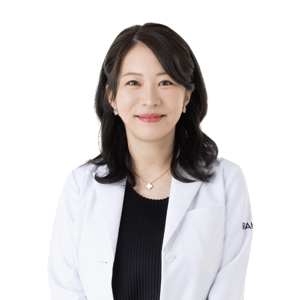
| Dr. Yoko Maeda, MD A graduate of Hiroshima University School of Medicine, Dr. Maeda is a U.S. and Japan–certified specialist in aesthetic and regenerative medicine, offering advanced treatments such as hormone therapy and peptide therapy. She is known for her gentle, science-driven approach to natural beauty and continues to study the latest medical innovations with a passion for lifelong learning. |
Why First-Time Patients Choose BIANCA CLINIC—and Keep Coming Back
If you’re thinking about your very first aesthetic clinic visit, it can feel overwhelming. Which clinic is right? Can you trust the doctors? Will you feel comfortable? At BIANCA CLINIC, patient comfort and privacy aren’t just bonuses—they are foundational.
Many new patients share how relieved they felt by the clear, no-pressure consultation process. Here, you won’t be rushed or pushed into decisions. The female-led team takes time to listen genuinely, making sure all your questions and concerns are addressed.
For international visitors, language support is available, and the clinic’s central Ginza location, just a quick four-minute walk from Ginza-itchome Station, offers both convenience and discretion.
Patients frequently comment not only on the expertise of the medical team but also on the attentive aftercare, which extends long after the procedure. Knowing you’re supported every step of the way makes all the difference.
Why Choose Us:
- Multilingual assistance for smooth communication
- Prime, easily accessible but discreet Ginza location
- Transparent, empathetic consultations and thoughtful aftercare
Book a Consultation Today
📲 Follow us for updates! BIANCA international Instagram
🔹 How to Book Your Appointment
Click the link below and fill the form with your concerns, referral code if you have any and day/time preferred.
📌Click for bookings
Walk-ins are welcome!
📝 Note: All consultations, treatments, and follow-up visits include free translation services —no extra fees!
Clinic Locations
📍 Ginza Clinic
12F Ginza ONE, 1-8-19 Ginza, Chuo-ku, Tokyo, Japan
☎ 050-3196-4834
🚇 Access:
🚶♀️ A 4-minute walk from Ginza Station on the Tokyo Metro Ginza Line.
🚶♀️ A 1-minute walk from Exit 7 of Ginza-itchome Station on the Tokyo Metro Yurakucho Line.
🚶♀️ A 3-minute walk from Exit 3 of Kyobashi Station on the Tokyo Metro Ginza Line.
🚶♀️ An 8-minute walk from the Kyobashi Exit of JR Yurakucho Station .
📍 Omotesando Clinic
Minami-Aoyama 511 Building 2F, 5-11-10 Minami-Aoyama, Minato-ku, Tokyo, Japan
☎ 050-1807-1593
🚇 Access:
🚶♀️ A 5-minute walk from Exit B1 of Omotesando Station on the Tokyo Metro Ginza Line, Hanzomon Line, and Chiyoda Line.
Consultation Hours: 10:00–19:00 Closed: Irregular holidays
About BIANCA Clinic
At BIANCA, we redefine beauty care by offering a holistic approach that transcends traditional cosmetic surgery and dermatology. 20 specialized doctors in different fields including plastic surgery, dermatology, internal medicine, regenerative medicine, gynecology will carefully listen to your needs and help you to enhance your beauty and wellness from the inside out. We are committed to creating personalized treatment plans with precision and care, and ensuring you experience the true spirit of Japanese omotenashi and hospitality.