


Why a longevity diet matters in Japan
Japan is renowned for slim physiques and vibrant elders, yet many adults develop prediabetes or type 2 diabetes even without weight gain. A rice-centered pattern and noodle-heavy meals concentrate fast carbohydrates, while East Asian genetics often include lower insulin secretory capacity. The result is frequent blood-sugar spikes that erode metabolic health and shorten longevity. A practical longevity diet preserves beloved flavors while lowering glycemic load, protecting muscle and brain, and supporting anti-aging goals.
This approach is not a fad or extreme restriction. It is an evidence-informed pattern that stabilizes glucose, prioritizes nutrient density, and encourages daily habits—movement, sleep, and stress control—that compound into longer healthspan.
What is a longevity diet?
A longevity diet is a plant-forward, protein-adequate, low-to-moderate carbohydrate pattern that limits ultra-processed foods, favors low-glycemic staples, and encourages time-smart eating. In a Japanese context, it respects culinary traditions while adjusting portions and preparation to steady blood sugar without sacrificing satisfaction.
Core principles of a Japanese longevity diet
- Prioritize protein and produce at every meal to blunt glucose spikes and maintain lean mass, while avoiding excessive total protein.
- Choose slow carbs: emphasize barley (mugi), mixed grains, brown rice, tofu-soba, and shirataki; keep white rice portions small.
- Load up on fiber: seaweed, mushrooms, soybeans, edamame, okra, leafy greens, and root vegetables.
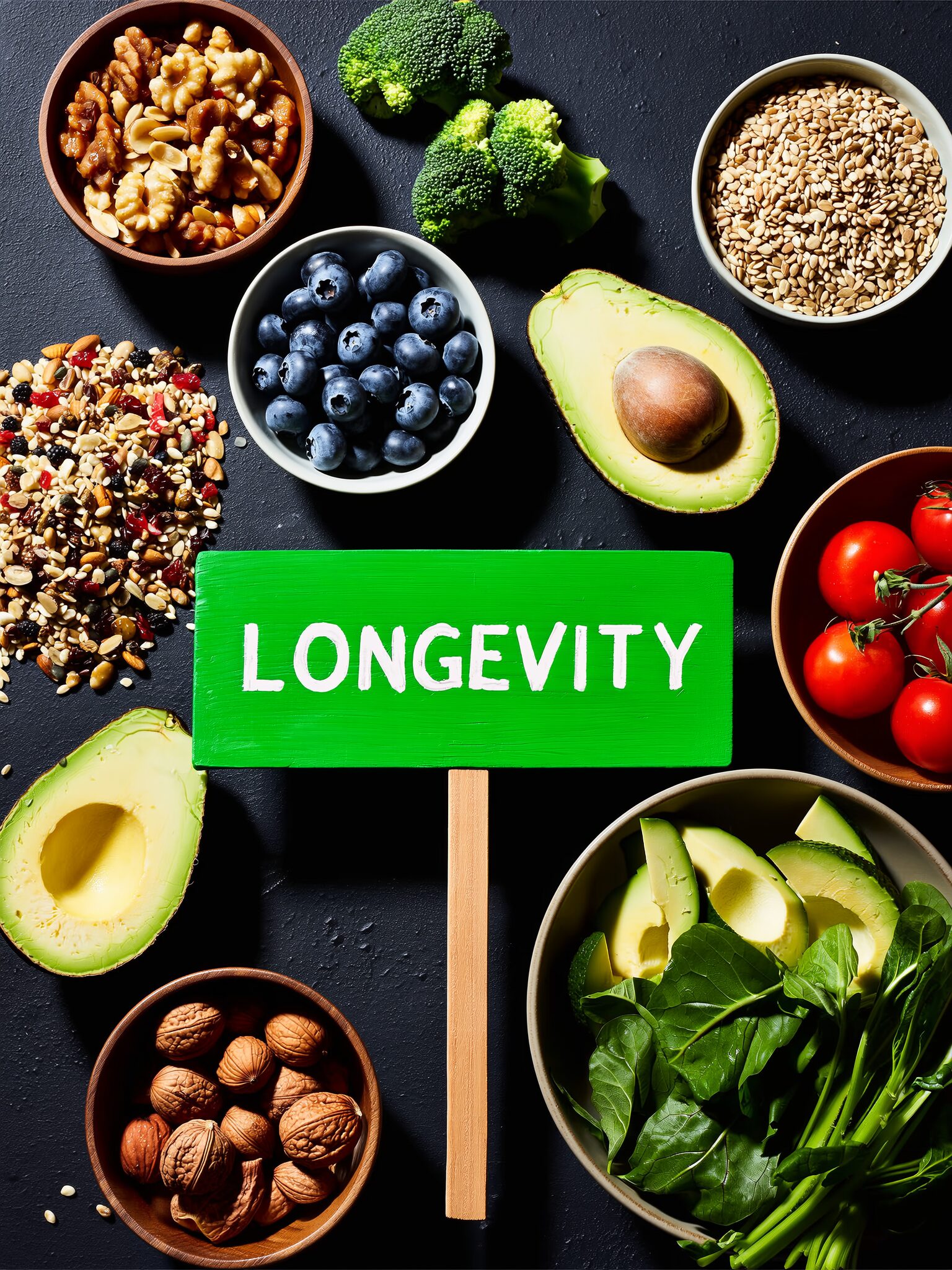
- Use healthy fats for flavor and absorption: olive oil, sesame, avocado, walnuts, and fatty fish rich in EPA/DHA.
- Practice “hara hachi bu” (eat to 80% full) and avoid late-night heavy meals.
- Move after eating—10–20 minutes of walking meaningfully improves post-meal glucose.
Protein for longevity
Aim for about 1.2–1.6 g of protein per kilogram of body weight per day, spaced across meals, and avoid routinely exceeding this range. Prioritize fish (especially salmon, mackerel, sardines), eggs, tofu, tempeh, natto, and Greek yogurt. Adequate protein supports muscle and bone—two pillars of mobility and longevity—but more is not always better. From a longevity perspective, chronic high protein intake (particularly from some animal sources) may upregulate IGF-1/mTOR pathways and be linked to accelerated aging, so moderation matters. Discuss personalized targets with your clinician; note that in Japan, relatively few physicians currently emphasize this viewpoint, so be mindful not to overdo protein.
Smart carbs to protect longevity
Rather than eliminating carbohydrates, curate them. Replace large bowls of white rice or ramen with smaller portions paired with vegetables and protein. Mix white rice with barley or konjac rice to lower glycemic impact. Enjoy soba or bean-based noodles, and add vinegar, pickles, or miso soup at the start of the meal to slow gastric emptying. These small shifts deliver outsized longevity benefits.
Fats and flavor that support longevity
Use olive or sesame oil for dressings, add nuts and seeds to salads, and eat fish 2–4 times weekly. Fermented foods—miso, natto, kimchi—nourish the gut microbiome, which is increasingly linked to immunity, mood, and longevity.
A practical longevity plate
Build meals with a simple template: half non-starchy vegetables, one-quarter protein, one-quarter smart carbs, plus healthy fats and fermented sides.
- Breakfast: Greek yogurt or soy yogurt with nuts, berries, and a spoon of ground sesame; side of natto; green tea.
- Lunch: Salmon or tofu bowl over half-portion barley-mixed rice, piled with greens, seaweed, and pickled vegetables; miso soup.
- Dinner: Stir-fried mushrooms, bok choy, and tofu in ginger-garlic; small portion of soba; side salad with olive oil and vinegar.
- Snacks (if needed): Edamame, a handful of walnuts, or cottage cheese with cucumber.
Before & After snapshots: small shifts for bigger longevity gains
- White-rice lunch to barley mix: Swap a large white-rice bowl for a half-portion barley blend plus extra veggies and salmon. Expect steadier afternoon energy and improved satiety—an easy win for longevity.
- Ramen dinner to soba + protein: Replace a full ramen bowl with half-portion soba, add tofu or chicken, and start with miso soup. You keep comfort while lowering the glycemic punch for longevity.
- Sweet pastry breakfast to protein start: Trade pastry and juice for eggs, yogurt, or tofu with fruit and nuts. A protein-led morning sets the tone for blood-sugar control and longevity.
Track progress for longevity
What gets measured gets improved. Monitor simple metrics to guide your longevity diet:
- Fasting glucose and A1c within normal ranges; consider a 2-hour post-meal check to see how meals affect you.
- Optional CGM for two weeks to learn your personal glucose triggers.
Biography
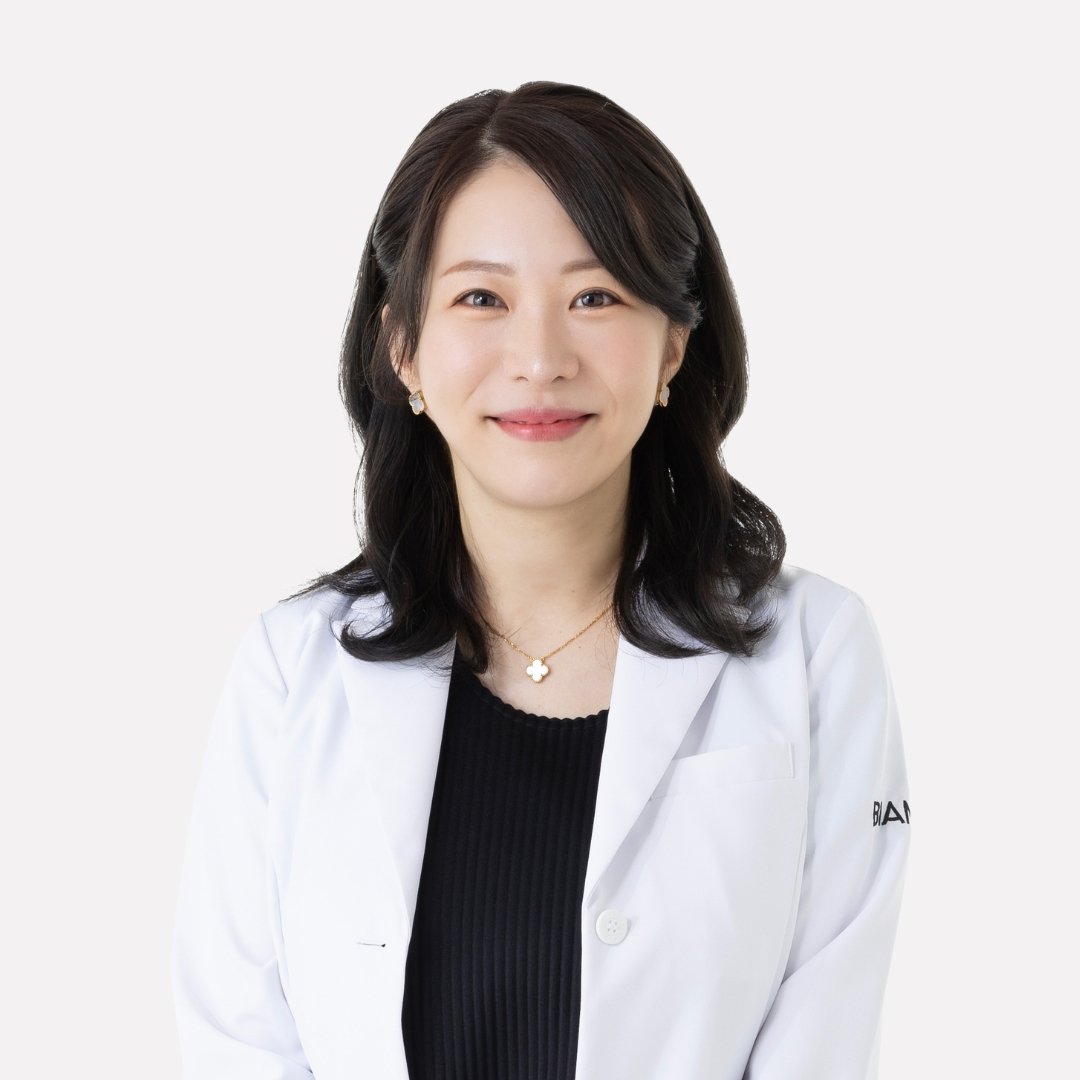
| Dr. Yoko Maeda, MD A graduate of Hiroshima University School of Medicine, Dr. Maeda is a U.S. and Japan–certified specialist in aesthetic and regenerative medicine, offering advanced treatments such as hormone therapy and peptide therapy. She is known for her gentle, science-driven approach to natural beauty and continues to study the latest medical innovations with a passion for lifelong learning. |
Book a Consultation Today
📲 Follow us for updates! BIANCA international Instagram
🔹 How to Book Your Appointment
Click the link below and fill the form with your concerns, referral code if you have any and day/time preferred.
📌Click for bookings
Walk-ins are welcome!
📝 Note: All consultations, treatments, and follow-up visits include free translation services —no extra fees!
Clinic Locations
📍 Ginza Clinic
12F Ginza ONE, 1-8-19 Ginza, Chuo-ku, Tokyo, Japan
☎ 050-3196-4834
🚇 Access:
🚶♀️ A 4-minute walk from Ginza Station on the Tokyo Metro Ginza Line.
🚶♀️ A 1-minute walk from Exit 7 of Ginza-itchome Station on the Tokyo Metro Yurakucho Line.
🚶♀️ A 3-minute walk from Exit 3 of Kyobashi Station on the Tokyo Metro Ginza Line.
🚶♀️ An 8-minute walk from the Kyobashi Exit of JR Yurakucho Station .
📍 Omotesando Clinic
Minami-Aoyama 511 Building 2F, 5-11-10 Minami-Aoyama, Minato-ku, Tokyo, Japan
☎ 050-1807-1593
🚇 Access:
🚶♀️ A 5-minute walk from Exit B1 of Omotesando Station on the Tokyo Metro Ginza Line, Hanzomon Line, and Chiyoda Line.
Consultation Hours: 10:00–19:00 Closed: Irregular holidays
About BIANCA Clinic
At BIANCA, we redefine beauty care by offering a holistic approach that transcends traditional cosmetic surgery and dermatology. 20 specialized doctors in different fields including plastic surgery, dermatology, internal medicine, regenerative medicine, gynecology will carefully listen to your needs and help you to enhance your beauty and wellness from the inside out. We are committed to creating personalized treatment plans with precision and care, and ensuring you experience the true spirit of Japanese omotenashi and hospitality.