


Many international patients who visit BIANCA CLINIC for longevity medicine have already researched peptide therapy extensively beforehand.
Having come across terms like advanced peptide therapy and cellular optimization on podcasts, Reddit threads, or wellness feeds, many arrive with a mental shopping list.
They’ve heard about BPC-157 for joint recovery, CJC-1295, or sermorelin peptide therapy for vitality.
And almost always, they ask us the exact same thing: “What is the best peptide therapy for me?”
Here’s the plain truth we share on day one: That is actually the wrong question to start with.
Peptide-based therapy isn’t a collection of vitamins you grab off a shelf, nor is it a quick-fix anti-aging cocktail.
Peptides are specific cellular signaling tools.
What works well for a 45-year-old marathon runner visiting from London might be completely useless—or even counterproductive—for a high-stress tech founder flying in from Singapore.
While regenerative peptide therapy is widely established across North America, Europe, and South Korea, it remains surprisingly rare in Japan.
At BIANCA CLINIC, we are one of the clinics in Japan offering physician-guided peptide therapy as part of a structured longevity program.
But we hold a firm boundary: We will never prescribe a peptide just because someone read about it online.
What Peptides Actually Do (And What Is in Peptide Therapy?)
Cutting Through the Longevity Noise
To understand what is in peptide therapy, forget the complex biochemistry for a second.
Think of peptides as chemical messengers that allow cells to communicate with one another.
Peptides are naturally occurring, short chains of amino acids.
Every second, they float between your cells carrying highly precise instructions—telling your skin to repair a micro-tear, instructing a joint to calm down inflammation, or signaling your body to optimize cellular repair and metabolic processes.
When you’re young, this cellular messaging network operates with sharp, remarkable precision.
Cell A sends a clear signal, Cell B receives it instantly, and your body bounces back from stress or workouts effortlessly.
As we age, however, those internal text messages start lagging.
Signals get faint.
Cell B doesn’t respond as quickly as it used to.
Over time, recovery after a workout or surgery takes three days instead of one, and afternoon energy dips become the daily norm.
Therapeutic peptides may help restore the sharp, clear signaling your cells used to send naturally.
Instead of forcing unnatural changes or merely replacing hormones, they deliver the exact biological cues your body needs to awaken its native restorative powers.
But because every single peptide sequence targets a different receptor, choosing one requires a thorough clinical assessment—not an educated guess.
Peptide Therapy vs Other Longevity Treatments

In our consultation rooms, we frequently find that patients confuse peptide therapy with other wellness and longevity protocols.
Common examples include:
● Hormone Replacement Therapy (HRT): Directly replaces hormones (such as estrogen or testosterone) when your body’s natural production has declined or stopped.
(Best for confirmed, blood-tested endocrine deficiencies.)
● NAD+ Infusions / IV Therapy: Directly refuels the “cellular batteries” (mitochondria) so your cells have the actual raw energy required to function optimally.
(Best for mitochondrial fatigue, intense jet lag, or deep cellular repair.)
● Medical Weight Loss (e.g., GLP-1 Therapy): Utilizes specific peptide medications designed to regulate blood sugar, insulin response, and appetite.
(Best when clinical weight management and metabolic health are the primary goals.)
● Nutritional Therapy (Targeted IV Micronutrients & Supplements): Corrects underlying vitamin and mineral deficiencies to build the solid biological foundation required for cells to operate properly.
(Best for resolving chronic nutrient depleted states and strengthening overall baseline health.)
These are not rival therapies; they complement each other.
Patients often ask us about “peptide IV therapy”—however, rather than IV drips, our clinic prescribes targeted peptides via subcutaneous injections, oral formulations, or nasal sprays, depending on the specific compound and your treatment goals.
Furthermore, once we review your diagnostic baseline, we frequently layer foundational therapies like nutritional support or NAD+ IVs alongside your customized peptide regimen.
The BIANCA Approach: Dr. Yoko Maeda’s Clinical Philosophy
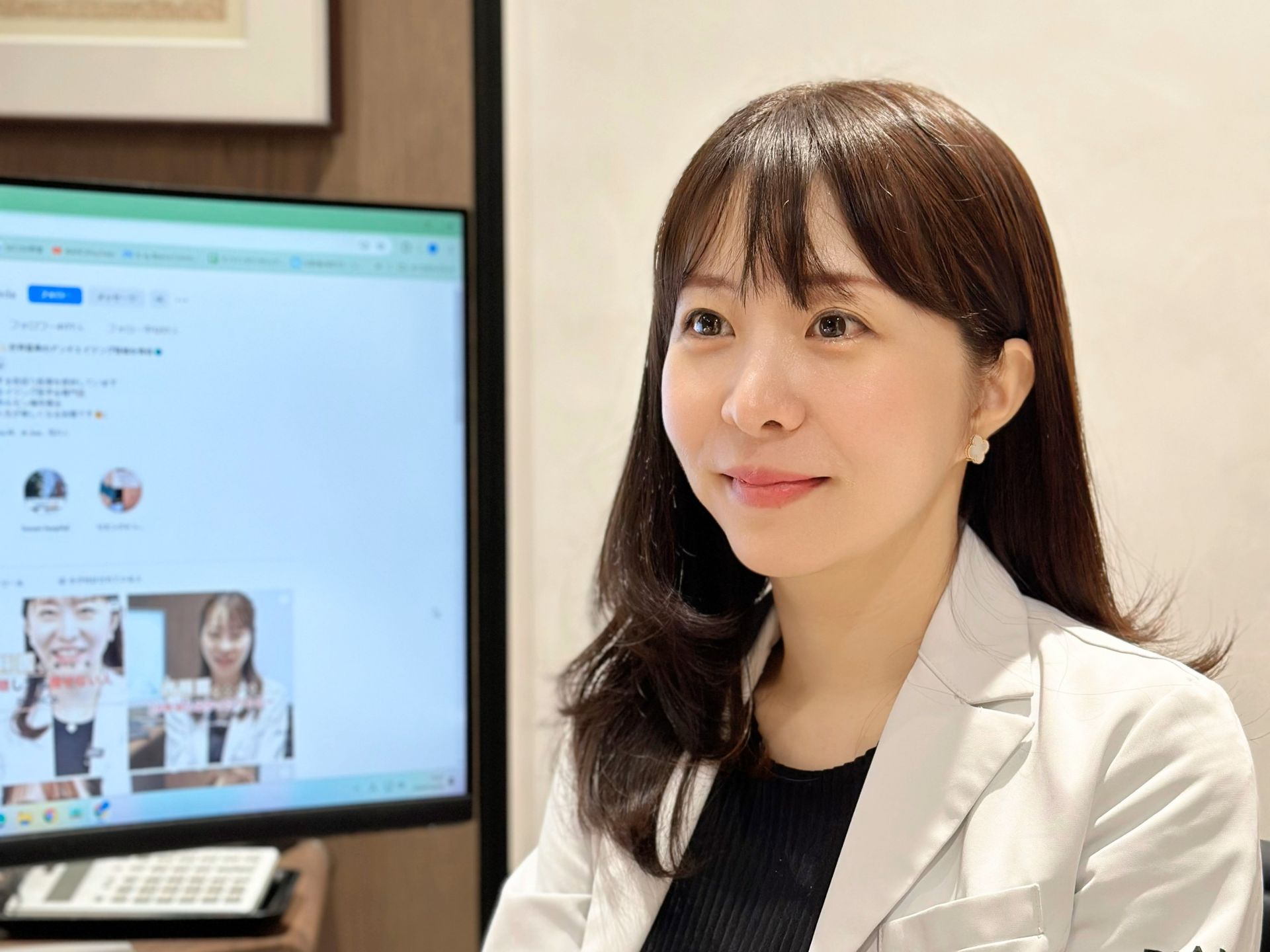
Our longevity program is directly supervised and administered by Dr. Yoko Maeda, a board-certified aesthetic physician and one of the physicians leading the clinical adoption of peptide therapy in Japan.
Dr. Maeda’s approach is guided by a fundamental principle: “Treat the biological reality of the body, not the date on a passport.”
Why Chronological Age Tells Only Half the Story
Consider two 50-year-old patients entering our clinic on the same day.
One may possess cellular resilience comparable to a 35-year-old.
The other might be experiencing significant cellular stress, driven by chronic low-grade inflammation or metabolic decline.
Because every individual ages at a distinct rate, determining a treatment protocol or dosage based solely on birth year is fundamentally flawed.
Instead, our primary clinical reference is your Biological Age—the true functional state of your cells.
Precision Diagnostics via Epigenetic Clocks
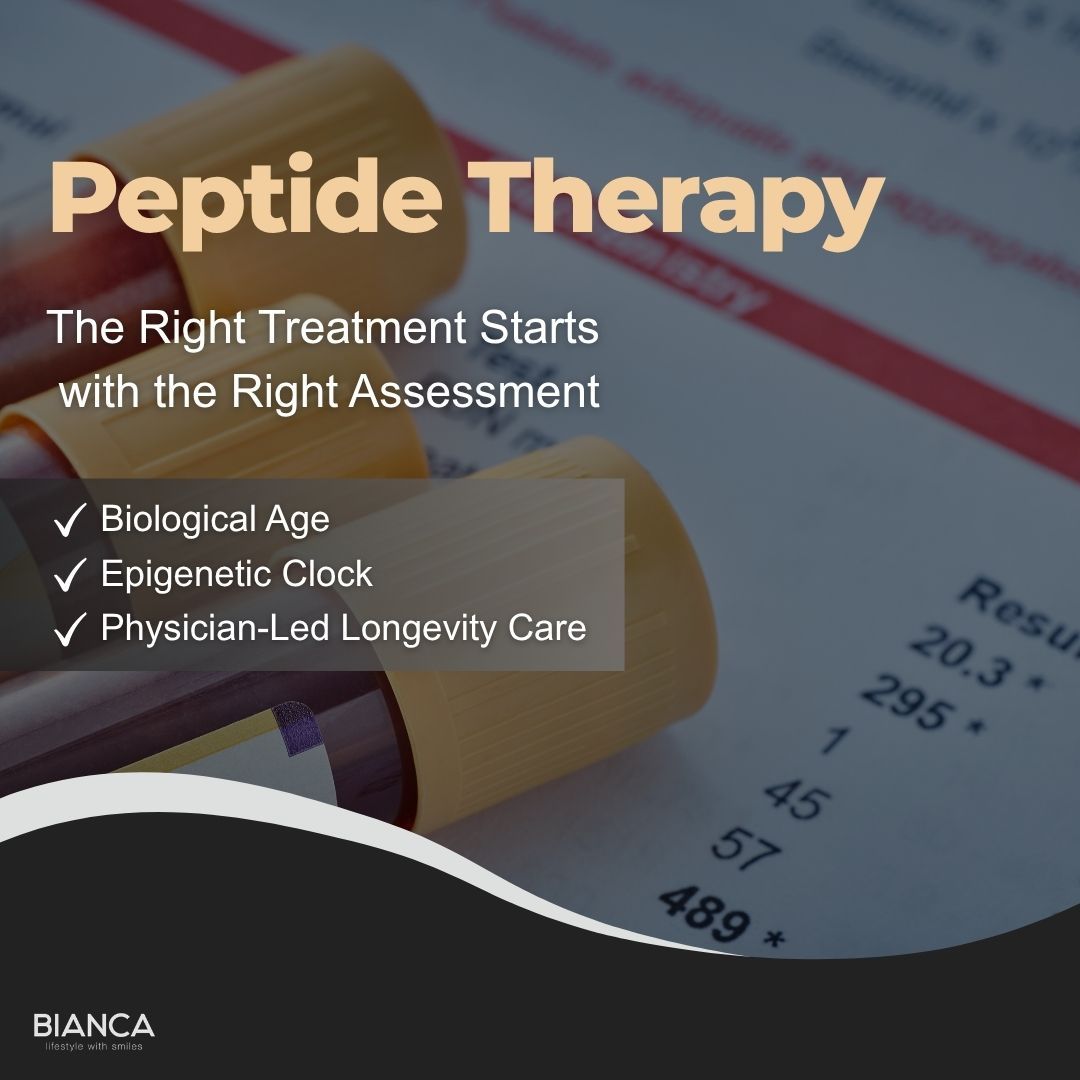
To establish an objective baseline, Dr. Maeda utilizes Epigenetic Clock Diagnostics (DNA Methylation Analysis).
Rather than relying on subjective symptoms like “feeling tired” or standard blood panels alone, this advanced diagnostic tool analyzes DNA methylation patterns to scientifically measure the exact pace at which your cells are aging.
By integrating these epigenetic insights with comprehensive blood profiling, we move beyond generalized assumptions.
This allows us to craft a fully personalized, data-driven longevity strategy engineered specifically for your body.
▷Learn more about Peptide Therapy at BIANCA CLINIC
Honest Practice: When We Will Say “No” to Peptides
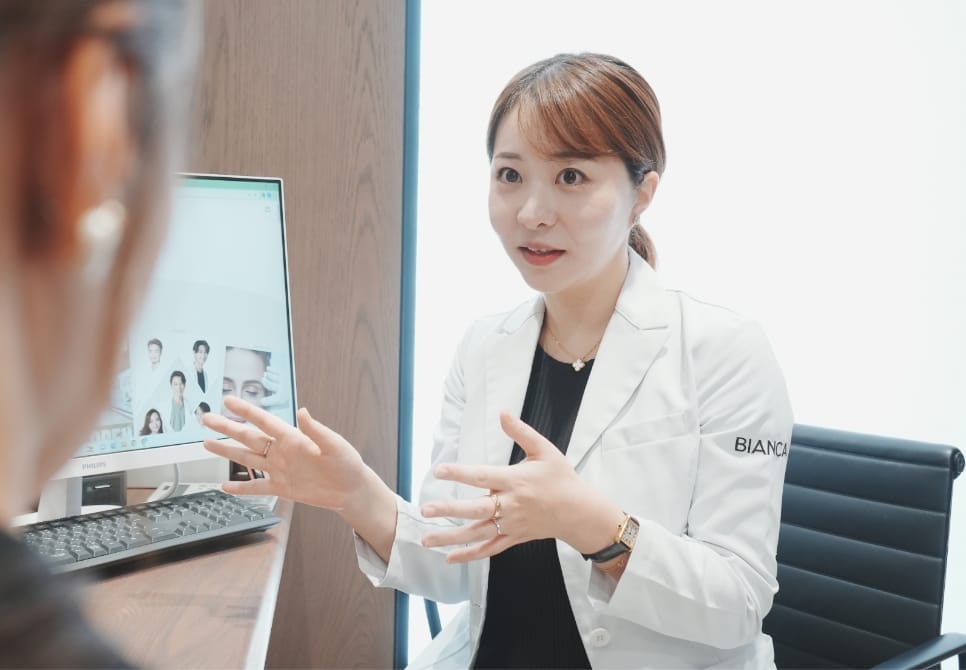
Here is something you won’t hear at commercial wellness spas: Peptide therapy is not always the answer.
If Dr. Maeda reviews your lab panels and realizes your chronic fatigue is actually driven by an unmanaged thyroid condition, severe vitamin deficiencies, or a significant hormonal imbalance, we won’t hand you a peptide prescription.
We will tell you directly:
“Peptides won’t solve this underlying issue.
Here is the exact medical treatment you actually need first.”
We refuse to prescribe peptides simply to sell a protocol.
If direct hormone optimization, clinical metabolic care, or simple lifestyle overhauls are what your body genuinely needs, that is precisely what we will recommend.
Beyond Peptides: Building a Complete Longevity Strategy
Peptides work best when they aren’t forced to do all the heavy lifting alone.
Real, lasting health optimization requires a multi-layered approach.
Depending on your baseline diagnostic results, Dr. Maeda often integrates peptide protocols with:
- Targeted Micronutrient & IV Therapy: Correcting underlying cellular deficiencies.
- Bioidentical Hormone Optimization: Restoring systemic balance when clinically indicated.
- Regenerative Medicine Applications: Supporting deeper tissue repair and joint longevity.
- Practical, Travel-Friendly Lifestyle Guidance: Sleep, metabolic, and stress-resilience strategies you can realistically maintain anywhere in the world.
What International Visitors Should Expect in Tokyo

Navigating medical care in a foreign country can feel daunting.
We’ve designed our clinical intake specifically for overseas travelers, entrepreneurs, and medical tourists visiting Japan:
1. Unrushed, Physician-Led Consultations: Dr. Maeda takes real time to review your full history, epigenetic markers, and health goals—no quick, 5-minute handoffs.
2. Itinerary-Conscious Planning: Whether you are in Tokyo for three days or three weeks, we structure diagnostic testing and treatment schedules around your travel commitments.
3. Post-Care Continuity: Longevity isn’t a one-week event. Before you board your flight home, we provide a clear roadmap, long-term care instructions, and options to coordinate care with your personal doctor back home.
Quick Answers to Direct Questions
Q: Is peptide therapy effective for weight management and metabolic health?
Peptide therapy is not a quick-fix “diet solution,” but rather an approach designed to optimize metabolic balance and cellular energy utilization.
When prescribed and monitored by a qualified physician, targeted peptides support your body’s natural metabolic processes, contributing to healthy and sustainable body composition management.
However, ensuring safety requires a thorough evaluation of your baseline metabolic health through diagnostic testing and strictly avoiding unvetted, unregulated online products.
Q: Is pharmaceutical peptide therapy different from products bought online?
A: Absolutely.
Pharmaceutical peptide therapy uses strict clinical-grade, sterile compounding standards.
Unregulated “research peptides” sold online carry massive risks of heavy metal contamination, incorrect concentration, and lack physician oversight.
Q: Is peptide therapy suitable for everyone?
Not necessarily.
If you have active health conditions that haven’t been evaluated, or if your symptoms stem from a completely different root cause, peptides may not be appropriate.
A full consultation always comes first.
Q: How fast do people actually notice results?
It depends entirely on the target.
Improvements in sleep quality or muscle recovery after physical stress often appear within 2 to 3 weeks.
Broader metabolic balance and cellular longevity goals work quietly and build up over several months.
Q: Can I do this during a short trip to Tokyo?
Yes, in many cases. During your initial consultation, we evaluate your travel itinerary and recommend a safe, realistic plan that fits your length of stay in Japan.
The Bottom Line
There is no single “magic peptide” that rewinds the clock for everyone.
The real secret to longevity medicine isn’t finding a trendy compound on social media—it’s gaining an accurate, honest picture of your unique biology and having an expert physician guide you through it.
If you’re traveling to Tokyo and want a genuine, evidence-based assessment of your health, we invite you to book a consultation with Dr. Yoko Maeda and our longevity team at BIANCA CLINIC.
We’ll help determine what your body actually needs.