

Introducción
El láser fraccional es un tratamiento muy utilizado para mejorar la textura de la piel mediante microlesiones y regeneración controladas. A menudo es considerado por los pacientes en Tokio en busca de atención para las preocupaciones tales como cicatrices de acné, poros dilatados, y el tono desigual de la piel. En este artículo, un médico de BIANCA CLINIC explica los principios médicos, las opciones de tratamiento y las consideraciones de seguridad basadas en nuestro enfoque clínico.
En la práctica, muchos pacientes acuden inseguros sobre si el láser fraccional es la opción adecuada, sobre todo al compararlo con otros tratamientos cutáneos.
¿Qué es el tratamiento fraccionado con láser?

Antes de plantearse un tratamiento, es importante comprender cómo funciona un láser fraccional y cómo afectan a la piel los distintos tipos de dispositivos. En esta sección se describen el mecanismo básico, las categorías de tratamiento y las indicaciones habituales.
Antes de plantearse un tratamiento, es importante comprender cómo funciona un láser fraccional y cómo afectan a la piel los distintos tipos de dispositivos. En esta sección se describen el mecanismo básico, las categorías de tratamiento y las indicaciones habituales.
Comprender la tecnología láser fraccional
El tratamiento con láser fraccionado funciona aplicando columnas microscópicas de energía láser en la piel, creando zonas controladas de estimulación térmica. Estas microlesiones activan la respuesta curativa natural de la piel y favorecen la remodelación del colágeno, lo que contribuye a una mejora gradual de la textura y el tono.
A diferencia de los métodos de rejuvenecimiento tradicionales, que tratan toda la superficie de la piel, la tecnología fraccional se centra sólo en una fracción de la piel cada vez. Este enfoque favorece una curación más rápida al tiempo que mantiene el tejido sano circundante.
Tipos de tratamientos fraccionados con láser
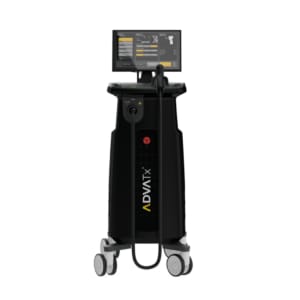
El láser fraccional puede clasificarse en dos tipos principales:
- Láser fraccionado ablativo (por ejemplo, láser fraccionado de CO2)
Elimina partes de la capa externa de la piel y estimula la producción de colágeno en profundidad. Este enfoque se utiliza normalmente para problemas más pronunciados, como cicatrices de acné y arrugas. - Láser fraccional no ablativo (por ejemplo, 1540/1550 nm, picofraccional)
Suministra energía en la dermis sin remover la superficie de la piel, con el objetivo de mejorar la pigmentación y la textura con un tiempo de inactividad más corto.
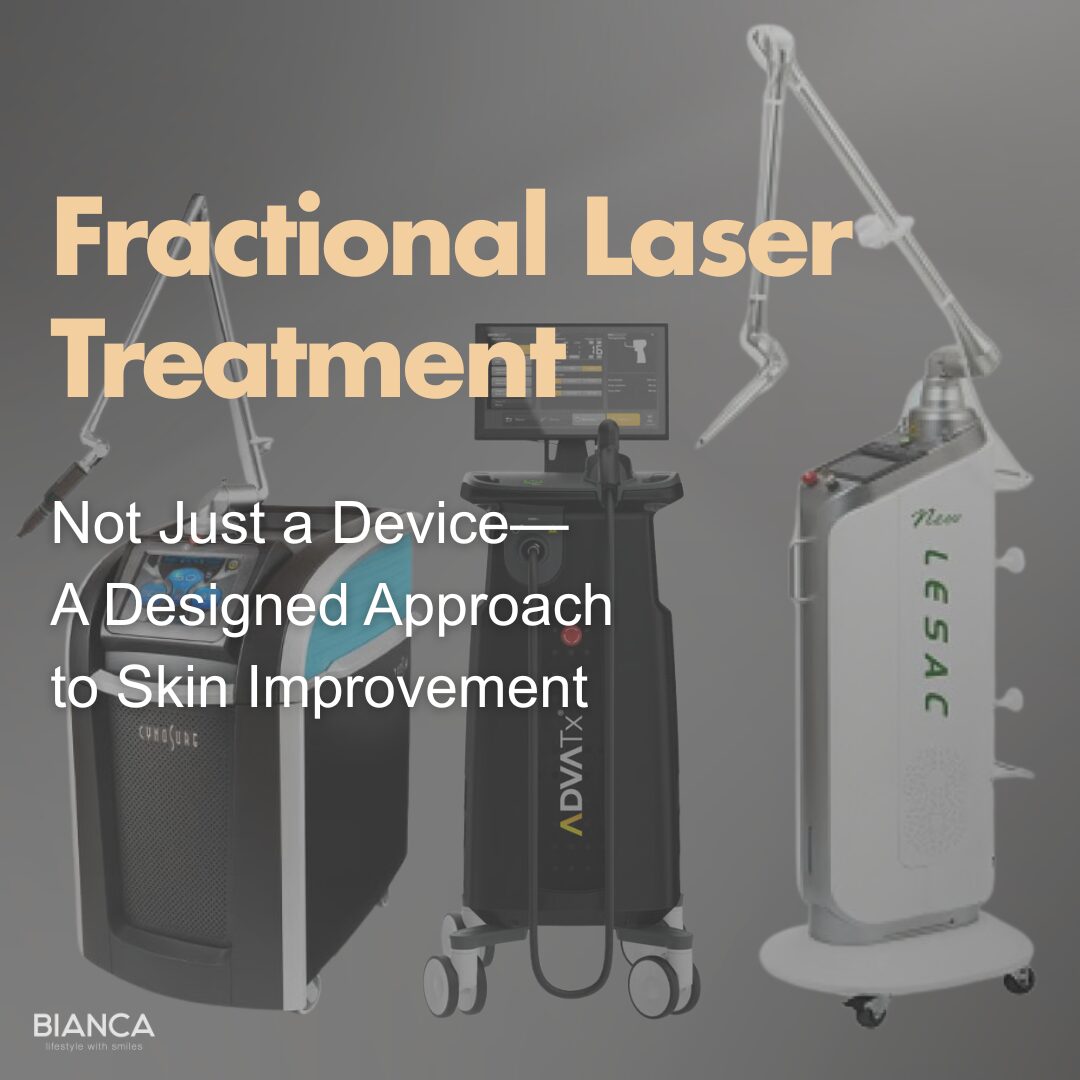
En BIANCA CLINIC, hemos descubierto que, en muchos casos, el uso de un único dispositivo no es suficiente para tratar tanto la textura como la pigmentación, por lo que a menudo combinamos diferentes modalidades de láser. Este tipo de planificación individualizada desempeña un papel importante en la consecución de resultados equilibrados y de aspecto natural.
Áreas de tratamiento e indicaciones habituales
El tratamiento con láser fraccional puede aplicarse en varias zonas:
- Rostro (poros, cicatrices de acné, líneas de expresión)
- Ojeras (textura y arrugas leves)
- Cuello y escote
- Zonas corporales (incluidas las estrías)
Se considera comúnmente para:
- Cicatrices de acné y quirúrgicas
- Líneas finas y arrugas
- Textura irregular de la piel y poros dilatados
- Hiperpigmentación y daños solares
¿Qué resultados puede esperar de forma realista?
Los resultados varían, pero comprender el patrón general puede ayudar a establecer expectativas realistas.
▷Para más información, consulte:
Beneficios y consideraciones clínicas

El tratamiento fraccionado con láser ofrece una serie de beneficios potenciales, pero los resultados pueden variar en función del método y del estado de la piel. Aquí explicamos los efectos esperados junto con importantes consideraciones clínicas para una planificación segura y adecuada del tratamiento.
Beneficios esperados del láser fraccional
El láser fraccional se considera una opción de tratamiento eficaz para mejorar la calidad general de la piel. Al estimular la producción de colágeno y favorecer la renovación cutánea, puede ayudar:
- Afinar la textura irregular de la piel
- Reduce la apariencia de los poros
- Mejorar la visibilidad de las cicatrices
- Favorece un tono de piel más suave y uniforme
Estos cambios suelen producirse gradualmente a medida que la piel se regenera con el tiempo.
Filosofía de tratamiento de la CLÍNICA BIANCA
En CLÍNICA BIANCA, los tratamientos con láser son supervisado por un médico y adaptado a las características de cada piel. En lugar de aplicar un único protocolo estandarizado, combinamos diferentes modalidades de láser cuando resulta apropiado.
Por ejemplo, nuestro enfoque picofraccional puede suministrar energía con un daño térmico mínimo, lo que puede reducir el riesgo de hiperpigmentación postinflamatoria en determinados pacientes.
También hacemos hincapié en un concepto que denominamos “estratificación láser”-ajustando los niveles de energía y combinando la tonificación con modos fraccionados para abordar tanto la pigmentación como la textura de forma equilibrada. Este enfoque tiene como objetivo mejorar la claridad de la piel manteniendo un aspecto natural.
Planificación e idoneidad del tratamiento
El número de sesiones y los intervalos de tratamiento varían en función de la afección tratada. En muchos casos:
- Pueden recomendarse varias sesiones
- Los tratamientos se espacian varias semanas
- Los resultados evolucionan progresivamente con el tiempo
No todos los pacientes son candidatos adecuados. Factores como el tipo de piel, la inflamación activa o el melasma requieren una evaluación cuidadosa. Una consulta médica es esencial para determinar la estrategia de tratamiento adecuada.
Riesgos, costes y recuperación

Como cualquier procedimiento médico, el tratamiento fraccionado con láser conlleva riesgos potenciales, costes y tiempo de recuperación. Conocer estos factores de antemano puede ayudarle a tomar una decisión informada y a prepararse para el proceso de tratamiento.
Riesgos y efectos secundarios
El tratamiento con láser fraccional implica una lesión cutánea controlada, por lo que pueden producirse efectos secundarios:
- Enrojecimiento e hinchazón
- Sequedad y descamación
- Hiperpigmentación temporal (PIH)
- Molestias leves o sensación de calor
- Infección (poco frecuente)
La probabilidad y gravedad de estos efectos varían en función del tipo de láser y del estado de cada piel.
Costes
Los costes varían en función de la zona de tratamiento, el aparato y el número de sesiones.
- Los tratamientos con láser fraccionado, CO2 y no ablativo difieren en el precio
- Tras la consulta, se facilita un presupuesto personalizado
Como referencia general, los costes del tratamiento pueden variar mucho en función del plan de tratamiento.
▷Para conocer en detalle las opciones de tratamiento, consulte nuestra página oficial:
Duración y frecuencia
- Duración del procedimiento: de 15 a 60 minutos aproximadamente
- Número de sesiones: normalmente de 1 a 5 (dependiendo de la indicación)
- Intervalo: varias semanas entre sesiones
Tiempo de inactividad y recuperación
La recuperación varía en función del tipo de tratamiento:
- Láser fraccional no ablativo
El enrojecimiento leve puede durar unos días - Láser fraccionado de CO2 (ablativo)
- Día 1-3: enrojecimiento, hinchazón
- Día 3-7: descamación y sequedad
- Recuperación completa: aproximadamente 1-2 semanas
Durante la recuperación, el cuidado adecuado de la piel y la protección solar son esenciales para favorecer la cicatrización y reducir las complicaciones.
Preguntas más frecuentes (FAQ)

Los pacientes suelen tener preguntas prácticas sobre el dolor, el tiempo de inactividad y la idoneidad. En esta sección se abordan las preocupaciones más comunes basadas en la experiencia clínica para ayudar a comprenderlas mejor antes de la consulta.
P: ¿Es doloroso el láser fraccional?
R: Normalmente se utiliza anestesia tópica. Los pacientes pueden experimentar molestias leves o una sensación de calor durante el procedimiento.
P: ¿Cuánto dura el tiempo de inactividad del láser fraccional?
R: El tiempo de inactividad depende del tipo de tratamiento. Los láseres no ablativos suelen implicar una recuperación más corta, mientras que el láser fraccional de CO2 puede requerir hasta una o dos semanas.
P: ¿Cuántas sesiones son necesarias?
R: El número de sesiones varía en función de la afección, como cicatrices de acné o pigmentación. Tras la evaluación se crea un plan personalizado.
P: ¿Es adecuado el láser fraccional para tonos de piel más oscuros?
R: Es importante seleccionar cuidadosamente el tipo de láser y los parámetros. Los tratamientos no ablativos o basados en pico pueden considerarse en algunos casos para reducir los riesgos de pigmentación.
Q: ¿Pueden recibir tratamiento los pacientes internacionales?
R: Sí. BIANCA CLINIC ofrece consultas en inglés, y los planes de tratamiento se explican detalladamente para garantizar su comprensión antes de proceder.
Consulta y cuidados en la CLÍNICA BIANCA de Tokio
En BIANCA CLINIC, los tratamientos con láser fraccional se realizan bajo supervisión médica y se centran en la seguridad, la precisión y la atención individualizada. Mediante la combinación de tecnologías láser avanzadas con un enfoque personalizado, nuestro objetivo es apoyar la mejora natural y equilibrada de la piel.
Si está considerando un tratamiento con láser fraccional, le recomendamos una consulta personalizada. Nuestros especialistas de habla inglesa evaluarán el estado de su piel y le orientarán sobre las opciones de tratamiento adecuadas, el tiempo de inactividad previsto, los posibles riesgos y los costes....
Para muchos pacientes, la clave no está en elegir el tratamiento más potente, sino en elegir el enfoque adecuado en el momento oportuno.
Aquí es donde la planificación individualizada cobra especial importancia.
Para hablar de sus preocupaciones directamente con un médico, puede reservar una consulta a través de nuestra página oficial de reservas.