



Many international patients visiting Tokyo ask us the same question before booking an appointment: Do IV drips have side effects?
The short answer is yes—but when IV therapy is performed in a medical setting by qualified physicians using high-quality ingredients and appropriate screening, IV side effects are generally mild and temporary.
The most common reactions include slight discomfort at the injection site, mild bruising, or temporary vein irritation.
Serious complications are rare when appropriate medical protocols are followed.
For travelers considering aesthetic or wellness treatments in Japan, understanding the difference between medically supervised IV therapy and non-medical wellness services, when applicable, is essential.
At BIANCA CLINIC, every treatment plan begins with physician assessment, individualized recommendations, and safety-focused protocols designed to support both aesthetic goals and overall well-being.
Key Takeaways

Before diving into the detailed safety protocols, here is a quick overview of what you need to know about IV therapy in Japan.
These essential facts highlight safety expectations, treatment duration, and typical post-treatment experiences.
- IV drip therapy is generally considered iv drips safe when performed under physician supervision.
- Common iv drips side effects are usually limited to mild bruising, temporary tenderness, or vein discomfort.
- High-dose Vitamin C IV therapy may require additional safety screening, such as G6PD testing.
- Treatment typically takes about one hour with little downtime, making it suitable for many international visitors.
Common Side Effects of IV Drips and How They Are Managed

IV drip therapy is generally considered a low-risk medical treatment when performed under physician supervision.
The following sections explain the most common localized reactions, mild sensations during treatment, and how they are typically managed.
Localized Reactions at the Injection Site
The most common IV drip side effect is mild irritation at the site where the needle enters the vein.
Some patients experience temporary redness, tenderness, slight swelling, or a small bruise after treatment. These reactions are usually minor and resolve naturally within a few days.
During consultations, many international patients ask whether these reactions will interfere with sightseeing or business travel.
In most cases, they do not.
Careful vein selection, proper insertion technique, and experienced medical staff help minimize discomfort and reduce the likelihood of prolonged irritation.
Vascular Discomfort or Mild Sensations
Another question we frequently hear is, “What are the side effects of iv drip treatment during the infusion itself?”
With concentrated formulations such as high-dose Vitamin C, some individuals notice a temporary cooling sensation or mild tightness along the vein while the infusion is running.
This is generally related to the concentration of the solution rather than an allergic reaction.
Medical professionals can often reduce this sensation by adjusting the infusion rate and monitoring patient comfort throughout the procedure.
Open communication during treatment allows the infusion to be tailored according to each patient’s tolerance.
High-Dose Vitamin C IV Safety: Preservatives, Ingredient Quality, and G6PD Screening

Ensuring the safety of high-dose intravenous therapy relies on meticulous ingredient sourcing and precise patient evaluation.
Exploring formulation purity and genetic screening helps explain how clinical standards may help prevent avoidable complications.
The Hidden Risk of Preservatives in Low-Cost IV Formulations
When researching vitamin c IV drip side effects, many people focus only on Vitamin C itself. However, the formulation used may also influence treatment quality and tolerability.
Some inexpensive IV drips rely on preparations originally intended for smaller doses.
To achieve higher Vitamin C concentrations, multiple preserved vials may be combined, increasing exposure to preservatives.
While this does not automatically cause complications, additional preservatives may increase the risk of hypersensitivity reactions in susceptible individuals.
At BIANCA CLINIC, physician-supervised protocols emphasize preservative-free imported formulations designed specifically for high-dose administration.
Ingredient quality is considered an important component of patient safety alongside proper medical assessment.
G6PD Deficiency Testing: Crucial Safety Screening for High-Dose Infusions
One of the most important safety measures for high-dose Vitamin C therapy is screening for G6PD deficiency before administering 50 g infusions.
G6PD is an enzyme that helps protect red blood cells.
Individuals with a genetic deficiency may be at risk of hemolysis when exposed to very high doses of Vitamin C intravenously.
For this reason, BIANCA CLINIC performs a blood test before a patient’s first 50 g infusion.
Standard 25 g Vitamin C treatments generally do not require this preliminary screening.
This individualized approach allows treatment recommendations to be based on both the planned dosage and each patient’s medical background.
Beyond Basic IVs: Synergistic In-Clinic Treatments for Enhanced Results

Intravenous infusions offer excellent internal support, but pairing them with targeted external procedures can optimize your overall aesthetic goals.
Discover how combining modalities creates a comprehensive, time-efficient care plan.
Combining IV Therapy with Advanced Skin Treatments
IV therapy supports the body from within, while many aesthetic procedures focus directly on the skin.
Depending on a patient’s concerns and treatment goals, combining these approaches may provide a more comprehensive treatment strategy.
For example, patients addressing pigmentation, sun exposure, or skin IV drip side effects may discuss pairing High-Dose Vitamin C IV therapy with Mesona-J transdermal treatments.
Because both treatments involve little downtime, many visitors appreciate the flexibility of incorporating them into a short stay in Tokyo.
The appropriate combination depends on physician assessment rather than a standardized protocol.
Lifestyle & Anti-Aging Synergy
Many international patients are interested in maintaining results after returning home.
During consultations, we often discuss how potential side effects can be minimized when IV therapy fits into a broader wellness strategy that includes nutrition, lifestyle habits, and physician-recommended medical supplements.
Rather than viewing treatment as a one-time intervention, many patients benefit from understanding how internal care and external skin treatments can complement one another over time.
This personalized approach reflects BIANCA CLINIC’s philosophy of supporting long-term wellness and healthy aging through individualized medical care.
Comparative Overview: High-Dose Vitamin C IV vs. Oral Vitamin Supplements
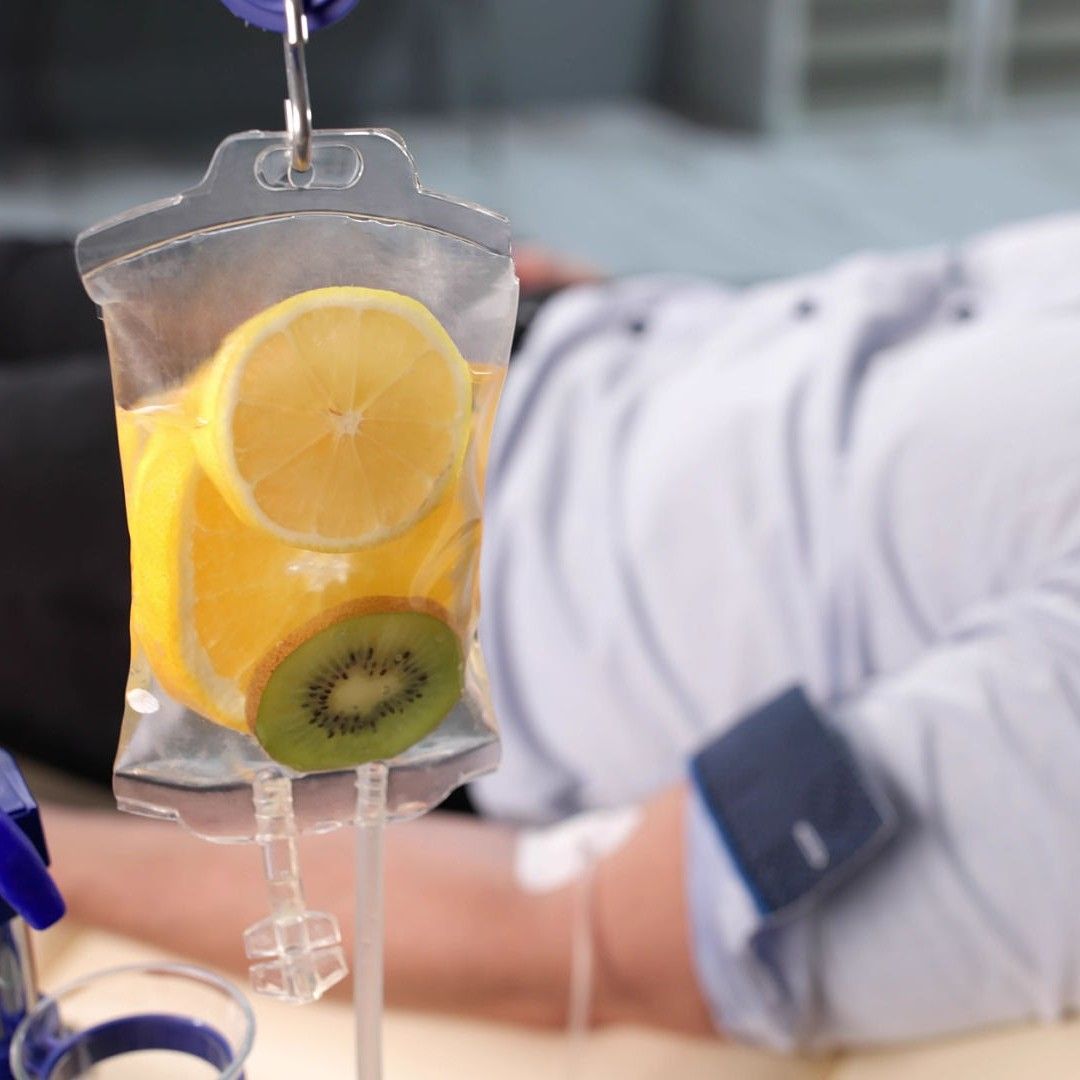
Understanding how intravenous administration compares to daily oral supplementation is key to selecting the right regimen.
The following comparison outlines differences in absorption, digestive impact, and overall delivery efficiency.
Key Differences in Bioavailability and Side Effect Profiles
| Característica | H High-Dose Vitamin C IV Therapy | Oral Vitamin C Supplements |
| Primary goal | Rapid elevation of blood Vitamin C concentration | Daily nutritional maintenance |
| Absorption | Direct delivery into the bloodstream | Limited by gastrointestinal absorption |
| Digestive side effects | Generally minimal because the digestive tract is bypassed. | High doses may occasionally cause stomach upset or diarrhea |
| Medical supervision | Physician assessment and individualized dosing | Usually self-administered over the counter |
| Duración del tratamiento | Approximately one hour in clinic | Daily oral intake |
Neither approach is universally better.
Oral supplementation may be appropriate for routine nutritional support, while IV therapy may be considered when higher circulating concentrations are desired under medical supervision.
Treatment recommendations should always reflect individual health status, goals, and physician evaluation.
BIANCA CLINIC’s Medical Standard for International Patients in Tokyo

Visiting a medical clinic abroad requires trust, clarity, and streamlined care tailored to your travel itinerary.
Here is how our medical team provides safe, high-quality treatments designed specifically for overseas visitors.
Board-Certified Anti-Aging Expertise
Safety is central to every treatment decision at BIANCA CLINIC.
Our iv drip therapy side effects management program is supervised by Dr. Yoko Maeda, an A4M-certified anti-aging physician and board-certified instructor in Longevity Medicine.
Rather than focusing only on cosmetic concerns, consultations consider nutrition, lifestyle, medical history, and each patient’s overall health.
This comprehensive assessment helps determine whether IV therapy is appropriate and whether additional screening or complementary treatments should be recommended.
Streamlined Care for Overseas Visitors
International visitors often have limited time in Japan, making efficient treatment planning especially important.
Because IV drip therapy generally requires about one hour and involves little to no downtime, many travelers find it easy to schedule around sightseeing or business commitments.
Our consultation process is designed to explain treatment suitability, expected recovery, and any necessary pre-treatment screening so patients can make informed decisions while visiting Tokyo.
Preguntas frecuentes
To help you prepare for your visit, we have compiled answers to the most common questions asked by international travelers. Find detailed information regarding safety, recovery timelines, and clinic protocols below.
Q: How long do side effects from IV drip therapy last?
A: Most side effects of iv drips are mild and temporary.
Minor tenderness, redness, or bruising at the injection site often improves within several hours to one or two days.
If IV side effects such as vein discomfort occur during treatment, adjusting the infusion rate typically helps improve comfort.
Persistent or unusual symptoms should always be discussed with your physician.
Q: Is G6PD testing required for all IV drips at BIANCA CLINIC?
A: No. G6PD screening is specifically required before a patient’s first 50 g High-Dose Vitamin C IV infusion.
Standard 25 g treatments generally do not require preliminary blood testing.
Your physician will recommend the appropriate protocol based on your treatment plan and medical history.
Q: Can I get an IV drip if I am visiting Tokyo for just a few days?
A: Yes. Many international visitors receive hydration IV drips together with appropriate safety guidance during relatively short stays in Japan.
Treatment usually takes approximately one hour, and there is typically no significant downtime afterward.
If you are considering a higher-dose treatment that requires G6PD testing, your physician can explain the timing needed during your consultation.
Q: What is the main difference between BIANCA’s IV drip and cheaper options in Japan?
A: One important difference is the emphasis on physician supervision, individualized assessment, and formulation quality.
Reading an iv drips review often highlights that lower-cost providers may use preparations containing preservatives that were not originally intended for large-dose administration.
BIANCA CLINIC uses carefully selected high-purity formulations and follows medical screening protocols appropriate for each patient’s planned dosage and medical history.
Q: Are there any serious risks associated with High-Dose Vitamin C IV Therapy and High-Dose Glutathione IV Therapy?
A: Serious complications are uncommon when safe IV drip protocols are followed because they are administered in an appropriate medical setting with proper screening and monitoring.
Whether considering iv whitening drips side effects, skin IV drip side effects, or overall iv drips benefits and side effects, risks cannot be completely eliminated.
Physician evaluation, attention to medical history, appropriate dosing, and, when indicated, G6PD testing all contribute to reducing potential risks and supporting safe treatment planning.