



Many clients want to address fine lines, loss of firmness, and changes in skin texture without necessarily adding volume to the face.
If your goal is subtle, natural-looking results, the GOURI skin booster may be one option to consider.
GOURI is an injectable treatment formulated with liquid PCL (polycaprolactone).
Rather than directly adding volume in the way hyaluronic acid fillers can, GOURI supports the skin’s own collagen production, with the aim of gradually improving firmness, elasticity, and overall skin quality.
At BIANCA CLINIC in Tokyo, we often hear, “I don’t want to change the shape of my face—I just want my skin to look and feel better.
” This article explains how GOURI differs from fillers, who it may suit, what realistic results look like, and what international clients should consider when planning treatment in Japan.
What Is the GOURI Skin Booster, and How Is It Different from Hyaluronic Acid Fillers?
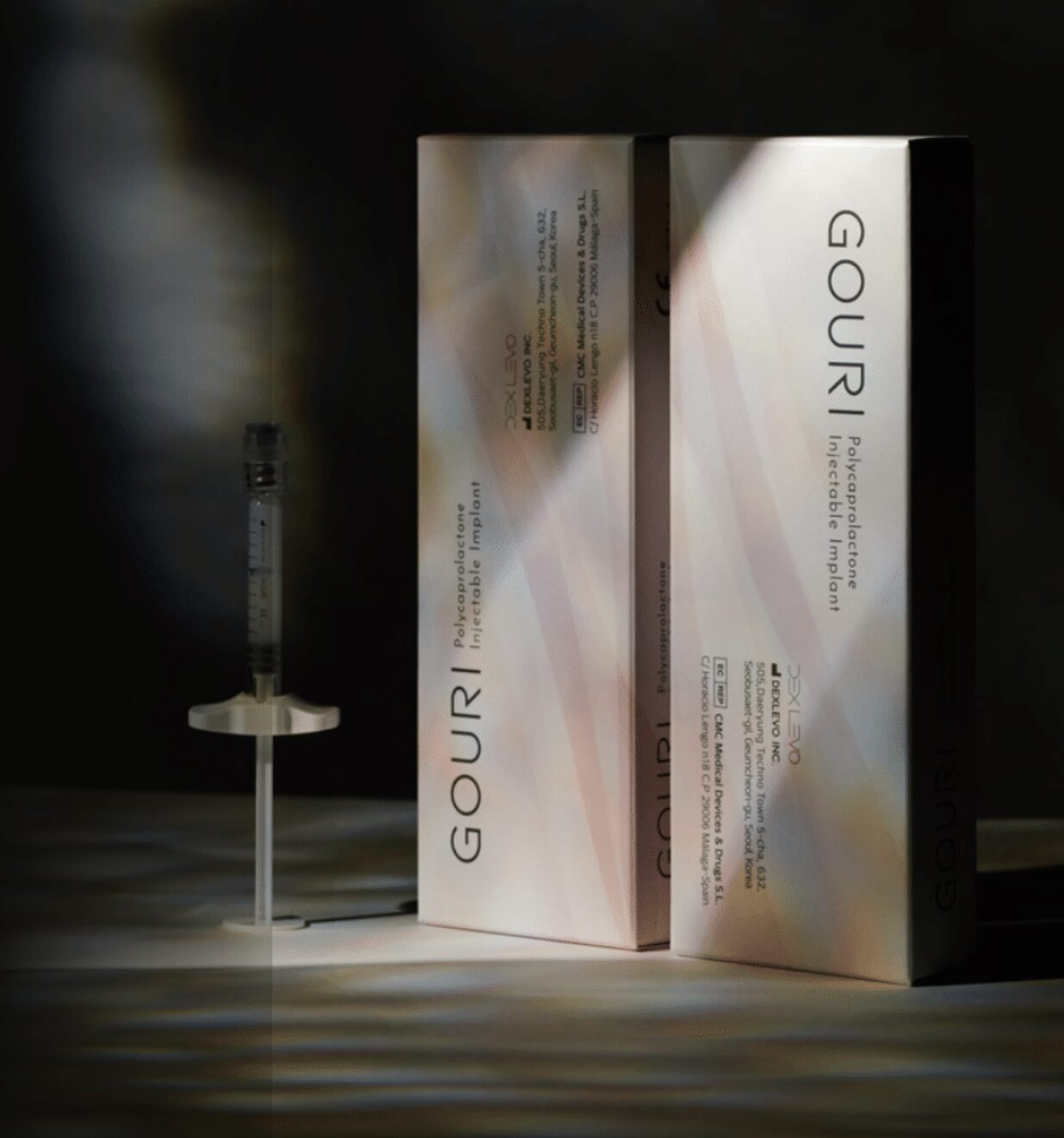
GOURI and hyaluronic acid fillers are both injectables, but they serve different purposes.
GOURI focuses on supporting collagen production and skin quality, while hyaluronic acid fillers are commonly used to restore volume or adjust facial contours.
GOURI Is a Liquid PCL Collagen Booster
GOURI is formulated with liquid PCL, or polycaprolactone, a material also used in certain absorbable lifting threads.
After injection, GOURI is intended to stimulate fibroblasts and support the skin’s own collagen production.
It does not contain collagen itself.
Instead, it works as a collagen booster, or collagen-stimulating injectable, encouraging gradual changes within the skin.
So, is GOURI a skin booster? In aesthetic medicine, it can be understood as a skin booster focused on skin quality rather than a conventional filler primarily used to create immediate volume.
GOURI Targets Skin Quality, Including Firmness and Elasticity
GOURI is generally considered when the main concern is skin quality rather than significant facial volume loss.
Clients often ask about GOURI when they notice reduced firmness or elasticity, fine lines, or changes in skin texture.
Others are specifically looking for an injectable treatment that does not focus on making the cheeks, temples, or other facial areas look fuller.
Because changes develop gradually, GOURI may appeal to those who want to support the condition of their skin while maintaining their natural facial features.
GOURI and Hyaluronic Acid Have Different Treatment Goals
Hyaluronic acid fillers are typically considered when direct volume replacement or contour adjustment is needed.
GOURI takes a different approach, focusing on collagen support and gradual changes in skin quality.
| Comparación | GOURI | Relleno de ácido hialurónico |
| Objetivo principal | Support skin quality, firmness, and elasticity | Restore volume and shape contours |
| Enfoque | Supports collagen production | Adds volume directly with the injected product |
| Type of change | Gradual, natural-looking results | More direct changes in shape or volume |
| Common concerns | Fine lines, reduced elasticity, mild skin laxity | Hollows, volume loss, contour concerns |
| May suit those looking to | Improve the condition of the skin | Adjust shape or restore volume |
The key question is not which injectable is “better.”
It is whether your concern comes mainly from changes in skin quality, volume loss, or both.
Identifying that difference is an important part of choosing the right treatment.
▶Not sure whether GOURI fits your concerns? Explore GOURI treatment at BIANCA CLINIC.
Who Is the GOURI Skin Booster Best Suited For?
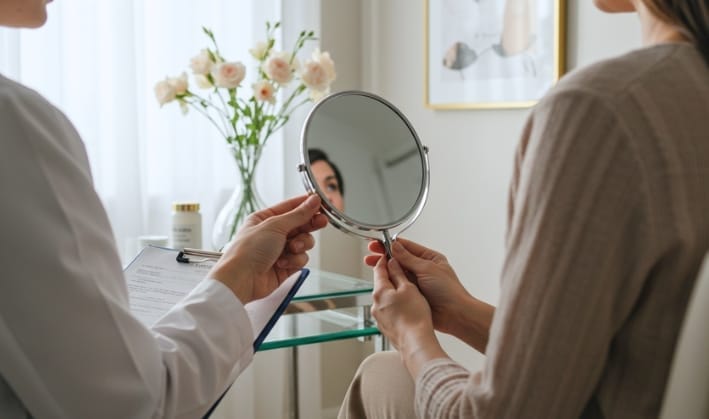
GOURI may be worth considering when changes in skin quality are the main concern.
However, similar-looking concerns can have very different causes, which is why treatment selection should begin with a physician assessment.
Skin Concerns That May Be Suitable for GOURI
GOURI may be considered for concerns such as:
- Reducción de la firmeza de la piel
- Pérdida de elasticidad
- Líneas finas
- Mild skin laxity
- Changes in skin texture
- A preference to avoid adding significant facial volume
- A desire for gradual, natural-looking results
Depending on the area and underlying concern, treatment may be considered for the face, under-eyes, neck, décolletage, and backs of the hands.
For example, GOURI under eye treatment may be considered when fine lines or skin quality contribute to the concern, while GOURI neck treatment may be considered for reduced firmness or elasticity.
When GOURI Alone May Not Provide the Change You Want
GOURI may not be enough when the main issue is significant volume loss, a deep structural hollow, or more pronounced skin laxity.
It may also not match the goals of someone looking for an immediate change in facial contours or a substantial lifting effect from one treatment.
Under-eye concerns are a good example.
Dark circles may be related to pigmentation, hollowness, visible blood vessels, thin skin, laxity, or several factors at once.
Rather than starting with a specific injectable, we first assess what is actually contributing to the concern.
That helps determine whether GOURI makes sense on its own or whether another treatment—or a combination approach—may better match the client’s goals.
What Results Can You Realistically Expect from GOURI?
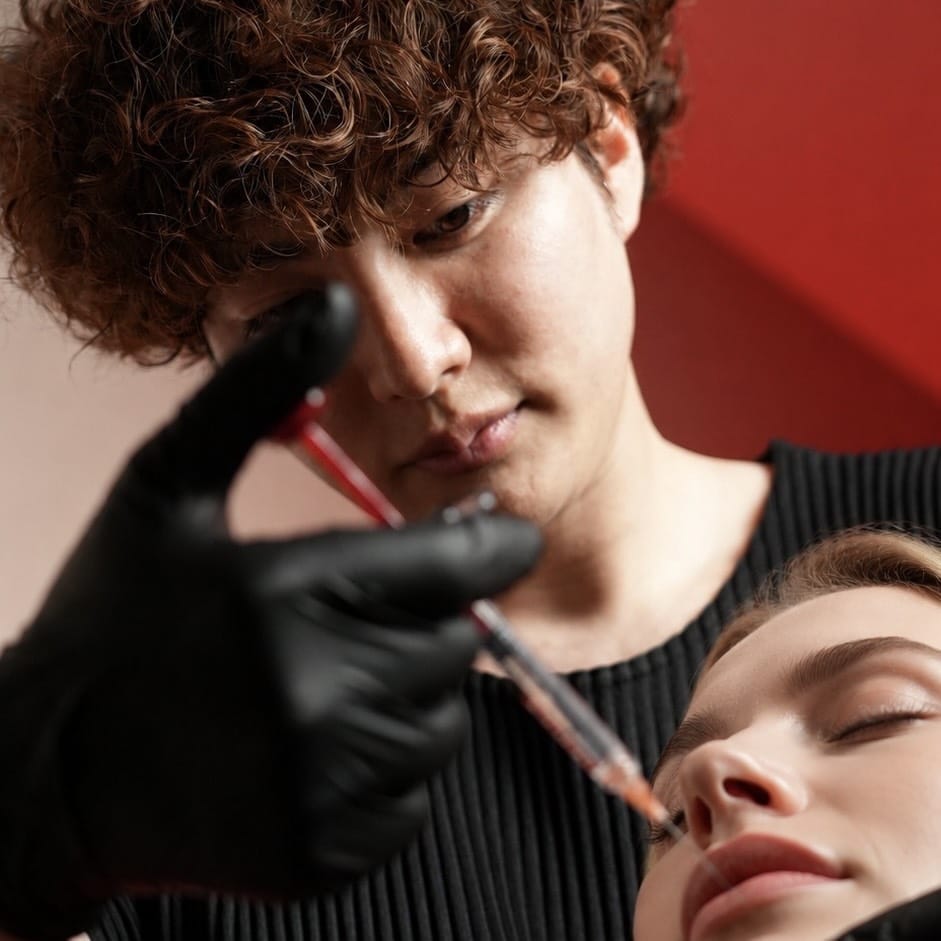
GOURI is intended to produce gradual changes rather than the immediate volume effect associated with hyaluronic acid fillers.
For this reason, results should be assessed over time rather than immediately after treatment.
GOURI Is Designed for Gradual Rather Than Immediate Changes
At BIANCA CLINIC, we explain that changes in skin firmness, elasticity, and thickness are generally expected to develop gradually over approximately one month following GOURI treatment.
The timing and degree of change vary from person to person and may depend on skin condition, the treatment area, and the overall treatment plan.
For clients interested in subtle skin quality improvement, this gradual process is important to understand.
An immediately noticeable change is not necessarily the goal, and the appearance directly after injection does not represent the final result.
What Should You Look for in GOURI Before-and-After Photos?
When reviewing GOURI injection before and after photos, look beyond changes in facial shape.
Useful points to compare include:
- Skin firmness and elasticity
- Líneas finas
- Overall skin texture
- Lighting
- Camera angle
- Facial expression
- Time since treatment
- Number of sessions
With collagen-stimulating injectables, subtle changes in the quality and appearance of the skin may be more relevant than dramatic changes in facial volume.
It is also important to check when each photo was taken, as GOURI is not intended to be judged solely by immediate post-treatment images.
You can also view real GOURI clinical results on the official BIANCA CLINIC website.
▶View BIANCA CLINIC Clinical Results
How Many GOURI Treatments Do You Need?
At BIANCA CLINIC, we generally recommend three GOURI treatments at approximately three-month intervals.
Further treatment may be considered from around one year later following a physician assessment.
However, there is no single GOURI protocol that applies to everyone.
Skin condition, treatment area, previous procedures, and treatment goals all influence the plan.
For clients living outside Japan, we also consider whether future visits to Tokyo are realistic rather than recommending a schedule that may be difficult to follow.
What Should International Patients Know Before Getting GOURI in Tokyo?
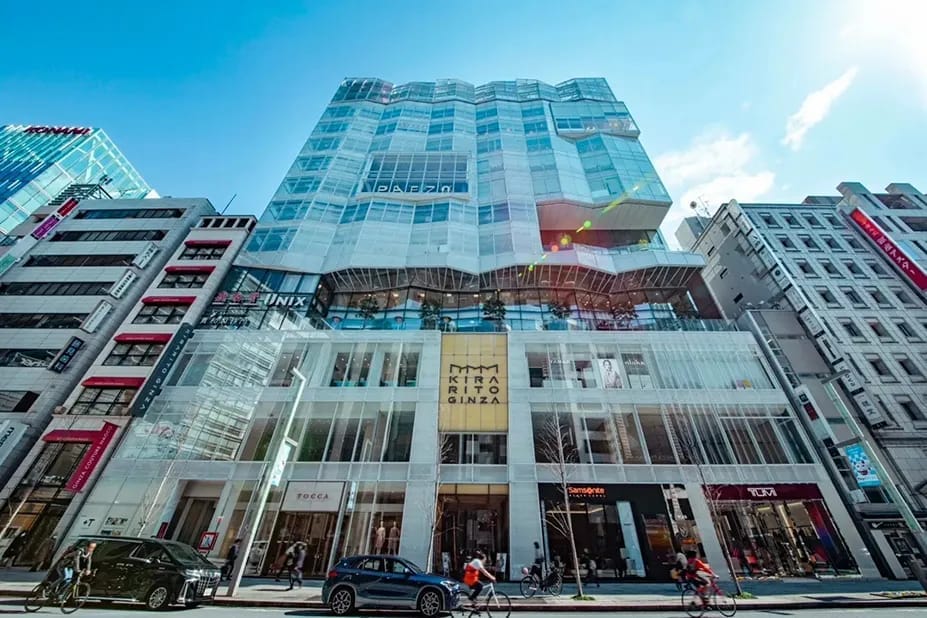
If you are considering GOURI while visiting Tokyo, planning should include downtime, travel dates, and whether follow-up treatment is realistic.
Sharing your itinerary during your consultation helps your physician plan treatment around your stay in Japan.
Plan Your Trip with Downtime in Mind
Possible reactions after GOURI include redness, swelling, edema, bruising, temporary raised areas at the injection sites, and itching.
At BIANCA CLINIC, we explain that these reactions often settle within several hours to around two days, although recovery varies by individual.
If you are visiting Tokyo, avoid scheduling treatment immediately before an important event, professional commitment, or photo session when possible.
It is also sensible to leave some flexibility before departure.
Tell your physician about your return flight and other travel plans so they can be considered when scheduling your treatment.
Can You Have Just One GOURI Treatment During a Trip to Tokyo?
Yes, a single GOURI treatment can be performed during a stay in Tokyo.
However, one session does not necessarily represent a complete treatment plan.
Because multiple sessions may be recommended, international clients should discuss whether they expect to return to Japan and what is realistic for their schedule.
This does not mean every client must commit to a series before having treatment.
The goal is to understand what one session may reasonably offer and how it fits into a longer-term plan before making a decision.
Why GOURI Injection Technique and Treatment Planning Vary Between Patients
There is no one-size-fits-all GOURI technique. Before recommending treatment, a physician may consider:
- Skin thickness and quality
- Grado de flacidez cutánea
- Pérdida de volumen
- Previous filler or skin booster treatments
- Área de tratamiento
- Desired outcome
- Other aesthetic treatments being considered
- Travel and follow-up plans
This assessment matters because a concern that looks like “loss of firmness” may involve skin quality, volume loss, structural changes, or a combination of factors.
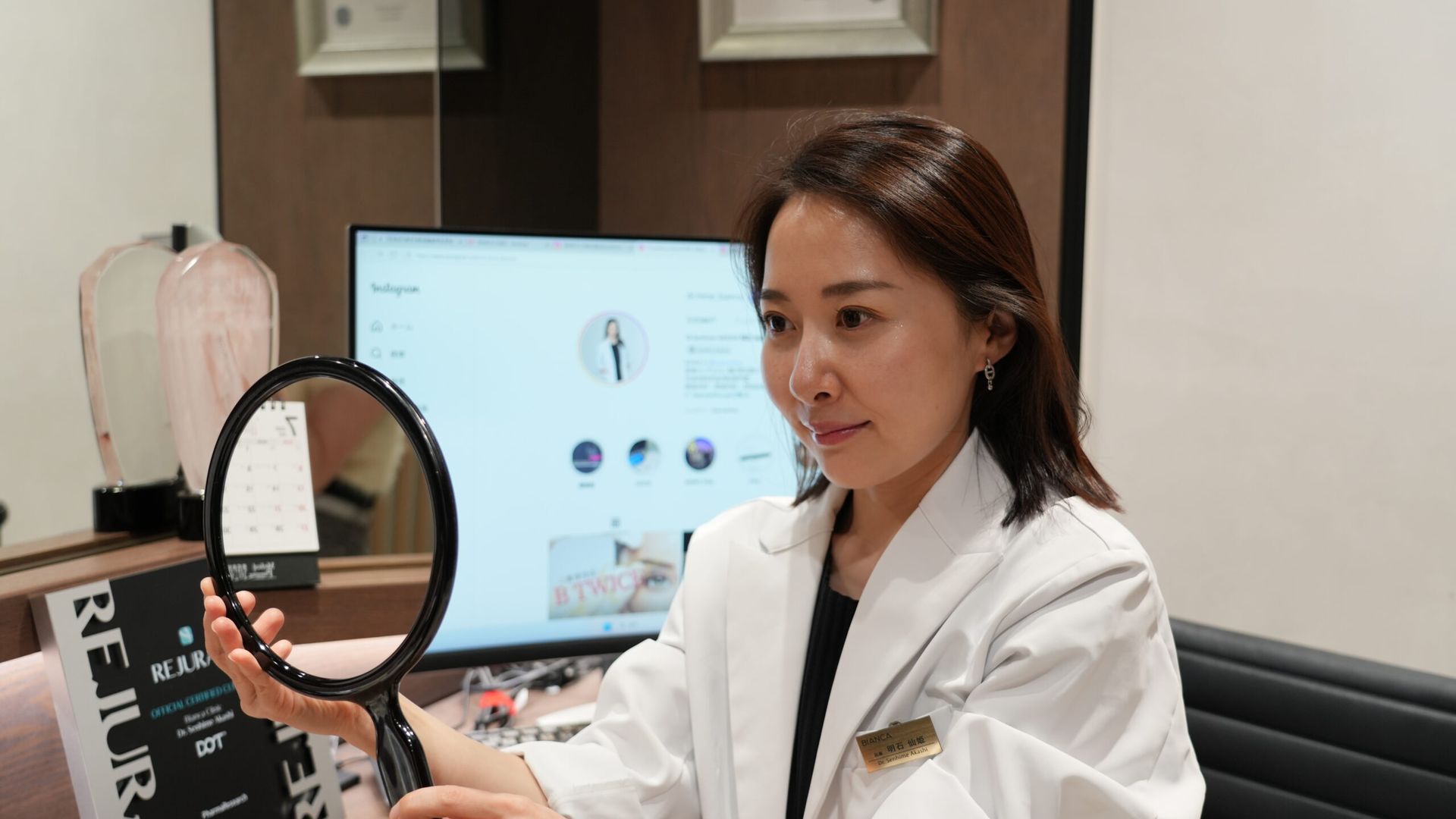
Dr.
Senhime Akashi works across aesthetic dermatology, aesthetic surgery, and aesthetic medicine and serves as a KOL for GOURI and REJURAN®.
She is also a board-certified specialist in internal medicine with the Japanese Society of Internal Medicine and communicates in Japanese, English, Chinese, and Korean.
Her experience with injectable skin treatments supports an important part of the consultation: determining not simply how to use GOURI, but whether GOURI is the right choice for the individual client.
For international clients, direct communication can also make it easier to explain preferences such as “I want to improve my skin without changing my facial shape,” or “I want the result to look natural.”
Frequently Asked Questions About the GOURI Skin Booster
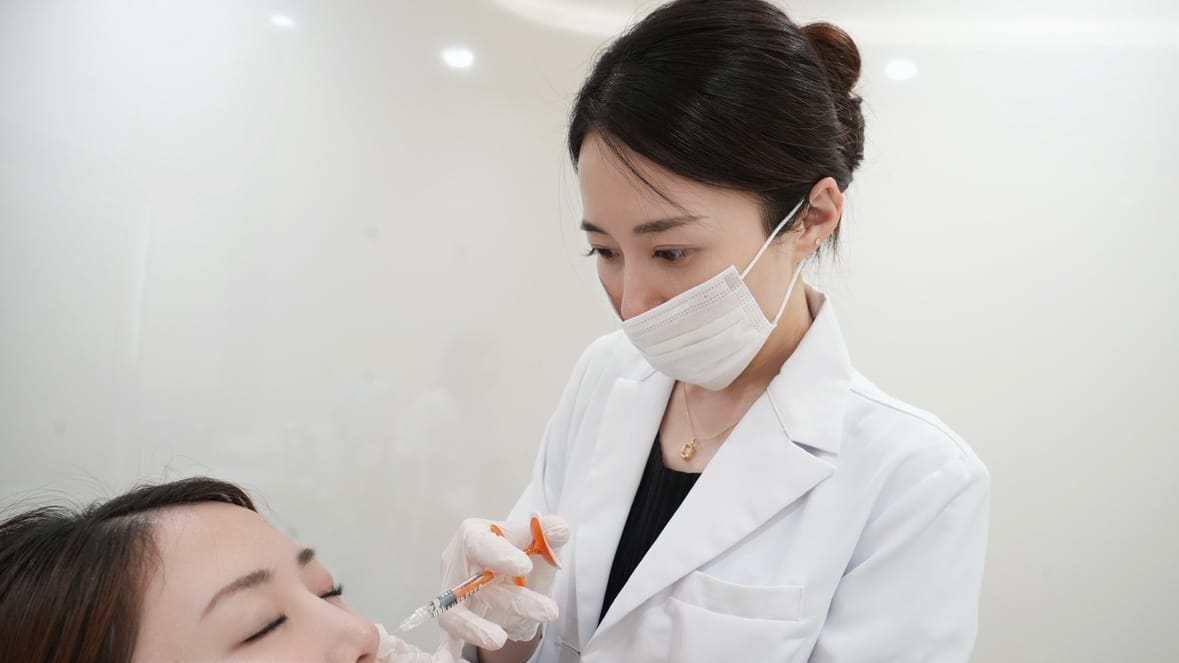
If you are considering GOURI, you may have questions about the number of treatments, treatment areas, expected results, and cost.
Here, we answer some of the most common questions about the GOURI skin booster based on inquiries we receive at BIANCA CLINIC.
Is GOURI a Skin Booster or a Filler?
GOURI is generally considered a collagen-stimulating skin booster rather than a conventional filler primarily used for volume replacement.
It supports the body’s own collagen production, with the aim of gradually addressing aspects of skin quality such as firmness and elasticity.
Hyaluronic acid fillers serve a different purpose and may be used when direct volume replacement or contour adjustment is needed.
The right choice depends on what is causing the concern and what you want to achieve.
Will GOURI Make My Face Look Too Full?
GOURI is not primarily used to create direct volume or reshape facial contours in the same way as hyaluronic acid fillers.
Still, every treatment should be planned around the client’s anatomy and desired outcome.
If maintaining your existing facial shape is especially important to you, mention this during your consultation.
Knowing both what you want to change and what you do not want to change helps your physician develop a treatment plan that better reflects your preferences.
Can GOURI Be Used Under the Eyes or on the Neck?
GOURI may be considered for under-eye or neck concerns related to fine lines, reduced firmness, elasticity, or overall skin quality.
However, the cause matters.
Under-eye dark circles, for example, may involve pigmentation, hollowness, visible blood vessels, thin skin, laxity, or several factors together.
A physician assessment is therefore important before deciding whether GOURI—or another approach—is appropriate for the area.
How Many GOURI Treatments Will I Need?
At BIANCA CLINIC, we generally recommend three GOURI sessions at approximately three-month intervals.
Further treatment may be considered from around one year later following a physician assessment.
This is a general guideline, not a fixed schedule for everyone.
If you live outside Japan, let us know about your future travel plans during your consultation.
Your physician can then discuss what treatment schedule is realistic for you.
How Long Should I Wait Before Flying Home After GOURI?
There is no single waiting period that applies to everyone.
Redness, swelling, bruising, and edema may occur after GOURI, and recovery varies by individual.
Rather than scheduling treatment immediately before departure, international clients may prefer to leave some flexibility in their itinerary.
Tell your physician your flight date during the consultation so that your treatment timing and expected downtime can be considered together.
How Much Does GOURI Cost in Japan?
GOURI injection cost varies depending on the amount used and your individual treatment plan.
When comparing how much skin booster treatment costs in Japan, price alone does not show whether the proposed amount or treatment approach is appropriate for your concerns.
For current GOURI pricing, please refer to the BIANCA CLINIC GOURI treatment page.
▶Explore GOURI Treatment and Pricing at BIANCA CLINIC
Conclusión
The GOURI skin booster is a liquid PCL injectable that supports the skin’s own collagen production and may be considered for concerns such as reduced firmness, elasticity, fine lines, and changes in skin texture.
Unlike hyaluronic acid fillers, GOURI is not primarily intended to replace volume directly.
That distinction makes understanding the cause of your concern especially important.
What appears to be skin laxity, for example, may also involve volume loss or structural changes that require a different approach.
If GOURI sounds close to what you are looking for—but you are not sure whether your concern comes from skin quality, volume loss, or both—a consultation at BIANCA CLINIC can help clarify your options.
Rather than starting with the assumption that GOURI is the right treatment, we assess your skin, previous treatments, desired outcome, and, for international clients, your travel and follow-up plans.
From there, your physician can discuss whether GOURI alone or another treatment approach better fits your needs.
For international clients considering GOURI in Tokyo, this individualized assessment is an important first step toward choosing a treatment plan that supports natural-looking results without making changes you did not ask for.