

Simplicity and Elegance
Looking back over the history of Japan, you will find a rich tapestry of art and culture based around the concept of minimalism. Indeed, it is still alive today in the Zen gardens of Ryoan-ji or the incredible beauty of Daitoku-ji Temple. Yet its application in modern plastic surgery still remains somewhat unheard of, or worse still, underestimated.
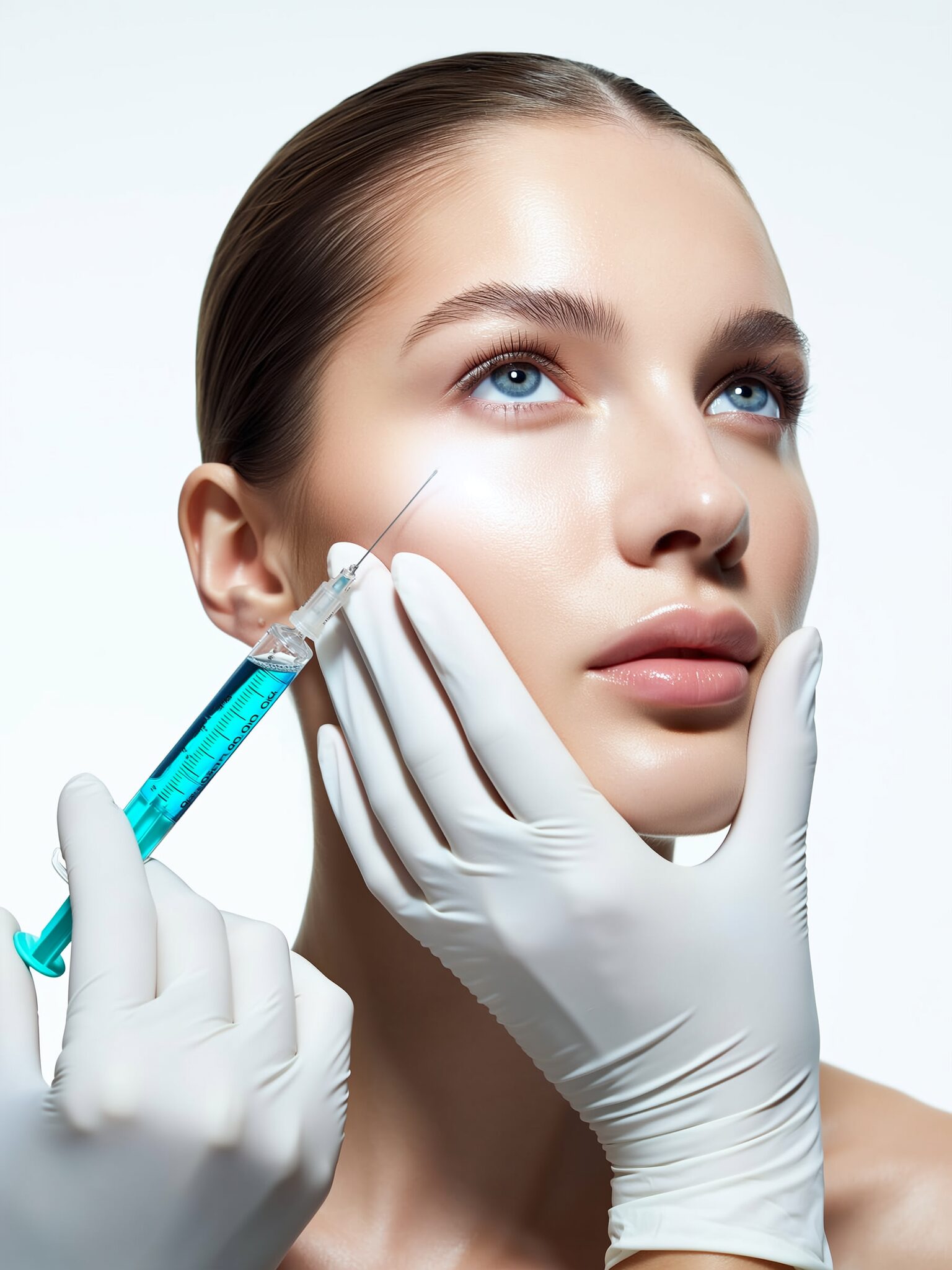
That is why this guide was created, to highlight the city breathing fresh air into plastic surgery, Tokyo. Here you will find aesthetic surgery and plastic surgery are moving at unprecedented speed away from gaudy transformations toward elegant restraint. In the past, many patients pursued plastic surgery in a manner that emphasized a vastly different look, almost bordering on a new identity.
However in the modern era, real progress favors small, precise adjustments that refresh and brighten features rather than drastic reconstructive shifts. For us, keeping a person’s original beauty and gently molding and shaping it with plastic surgery is the ultimate pursuit. Afterall, total reinvention does not start from the outside alone. It begins with a slow inward process designed to finely tune and bring to light one’s innate beauty. This sentiment is deeply rooted in the Japanese sensibility of modesty and the philosophy of BIANCA CLINIC.
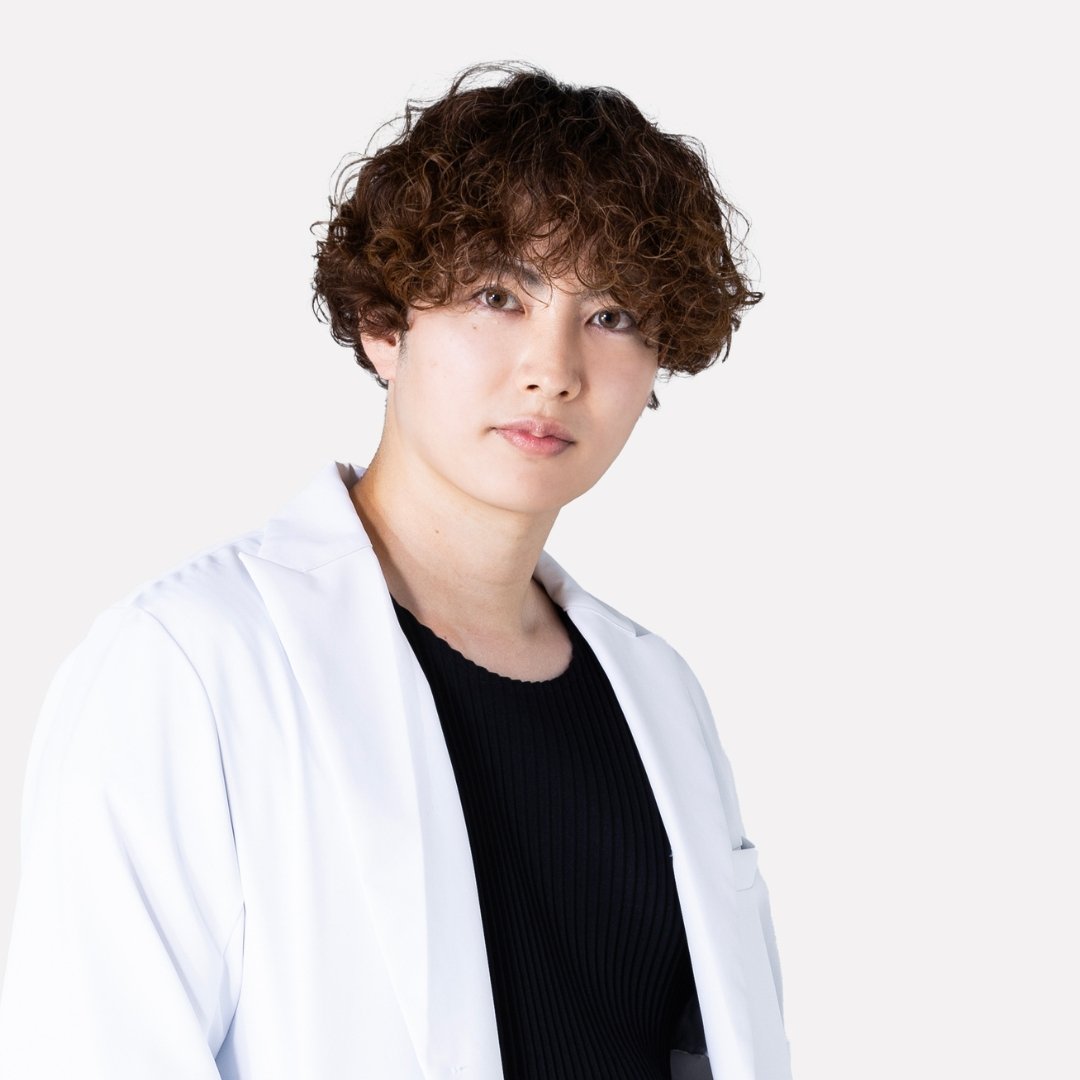
So read on to learn how subtle refinement relies on millimeter-level planning with emphasis on concise dialogue between patient and surgeon. With our English-speaking specialists in Tokyo, such as Dr. Yuki, we are confident in our ability to provide consultations without interpreters, so that nuance about desired goals and cultural aesthetics are conveyed succinctly and accurately.
From Dramatic Makeovers to Nuanced Refinement
The birth of this new and evolving form of plastic surgery has left many patients coming back for more. Gone are the days of trend-based makeover fads such as the desire to have prominent double eyelids, sharply narrowed jaw lines, or high dorsum noses. Today’s world of plastic surgery is prized for its ability to align aestheticism with naturality. Aesthetic surgery too has seen a full reversal away from the striking and instead, a return to prioritizing authenticity. The aim is simple in both, preserving personal identity while improving proportion, texture, and light reflection to create results that are refreshed and invite a second glance for the right reasons. In short:
- Social expectations now favor natural-looking confidence which is more adept for work, family, and everyday life.
- Modern planning has enhanced the capability of plastic surgeons to map facial vectors and allow a higher level of calibration that changes by one or two millimeters.
- New techniques have advanced, like deep-plane mini-lifts, conservative rhinoplasty, and micro fat grafting to enable subtle yet durable outcomes.
- High-resolution screens also brought about unbelievable merits, with texture and balance greatly improving without relying on traditional contouring.
Why Plastic Surgery in Tokyo is Years Ahead of the Rest
Compared with other aesthetic hubs, including South Korea, Japan has moved ahead in treating subtlety as its own craft. Traditionally and now in modern times, Tokyo realized that its strength does not lie in copying others but instead, refining its own concepts of what it finds visually appealing.
What it has discovered is that plastic surgery and aesthetic surgery both integrate cultural values of modesty and harmony into surgical planning. Rather than pushing features toward a single universal ideal that is more often than not dictated by Western spheres of influence, surgeons in Tokyo now consider bone structure, soft tissue thickness, and even mannerisms to preserve the signature traits of each individual patient. It is this balance that explains why many international patients look to Tokyo for refined plastic surgery.
Wabi-Sabi Principles Applied to Plastic Surgery
Wabi-sabi for those that are unfamiliar with the phrase, is a Japanese aesthetic principle that appreciates restraint, asymmetry, and the beauty of time. In practice, it favors improvements that enhance how light moves across the face and not only how a feature measures on a scale. It is quietly reshaping and pushing plastic surgery in Tokyo to new heights with its values on longevity and authenticity over trend-driven extremes. In short, this translates to:
- Incisions that are hidden in the natural shadows and tension lines to minimize visible traces.
- Changes that are planned in tiny increments, so friends and associates notice rejuvenation, freshness and brightness, as opposed to transformation.
- Volume is also restored but with micro fat droplets rather than heavy filler loads, preserving soft transitions.
- Texture is important too, with gentle energy devices and diligent scar care prioritized to maintain skin character.
Technical Foundations: Subtlety by Design
Subtle and lasting outcomes are incredibly hard to achieve without precise technique. For example, in facial rejuvenation, surgeons refine the Superficial Musculoaponeurotic System (SMAS) layer through limited-release, vector-oriented lifts that reposition rather than over-tighten. For eyelid work, priority is given to smooth contours and allow a natural eyelash display, avoiding hollowing at all costs by preserving and redistributing fat. For rhinoplasty, cartilage is shaped with conservation in mind, sometimes using piezo ultrasonic tools for bone refinement with less trauma. Chin and jawline balance is more often than not from small genioplasty adjustments or conservative buccal fat modification, paired with masseter modulation when suitable.
Lastly, it is worth mentioning that throughout Tokyo, plastic surgery teams will never falsify data or lie to you about results. They always do their best to prepare personalized before & after plans that align photography angles, lighting, and timelines so that results are measured realistically.
Communication and Consultation in Tokyo
Language matters, especially when conveying your nuanced outcome goals to medical staff. And tiny differences do change an entire impression, so choosing to have plastic surgery in a reputable clinic is extremely important in Tokyo. Often top-quality aesthetic surgery clinics offer direct English consultations without the need for interpreters such as Dr. Yuki who is capable of discussing patient goals without an intermediary. Even for delicate matters like seeking livelier eyes without losing softness, or a straighter nose that still looks born that way. This direct dialogue aligns anatomy, lifestyle, and cultural preferences, reducing miscommunication and helps to build a trusting relationship, especially if there is maintenance or follow-up necessary in the future.
What a First Visit Typically Includes
- Holistic analysis of facial thirds and fifths, with attention to bone projection, fat pads, and skin quality.
- Simulation or sketches to illustrate likely before & after differences within realistic ranges.
- Discussion of downtime, scar placement, and staging, so smaller steps can build a natural arc over time.
- Maintenance planning, including skincare and habits that protect surgical results.
Before & After Expectations and Realistic Timelines in Plastic Surgery
Our goal has never been to mislead or overhype treatments, so setting clear expectations is vital to a calm and structured recovery. In both plastic surgery and aesthetic surgery, swelling and tissue remodeling can take weeks to months, and subtlety often looks best once edema fully settles. That is why a typical timeframe includes both heavy and light social downtime to give your body the greatest possible chance of recovering successfully. Even for less invasive procedures that are more common in plastic surgery. For example, after upper eyelid refinement or nasal splint removal, we would suggest about one week to ten days of downtime before returning to desk work. If the procedure is a little more taxing for the face or body, like several mini lifts, then maybe expect ten to fourteen days of downtime. Either way, no matter what your procedure, surgeons in Tokyo always emphasize staged reviews to confirm that the before & after matches the original concept.
How to Choose a Clinic in Tokyo
We have provided these practical checkpoints to further assist you when selecting plastic surgery or aesthetic surgery expertise in Tokyo:
- Always verify board certification in plastic surgery and ask about subspecialty focus relevant to your goals.
- Make sure to review unretouched before & after photos taken under consistent lighting and angles.
- Don’t forget to ask how the surgeon quantifies subtle change, such as vector drawings and millimeter targets.
- Confirm the anesthesia plan, safety protocols, and availability of registered nursing support.
- Ensure the surgeon communicates comfortably in English (if desired you can directly request a consultation with Dr. Yuki or a similarly fluent specialist via the online booking system).
- Clarify follow-up cadence, scar care strategy, and contingency planning for touch-ups.
Tokyo’s Quiet Confidence that Speaks Volumes in Plastic Surgery
Plastic surgery has and continues to evolve and now more than ever, we believe Japan has mastered the next subtle style of plastic surgery. It’s a move away from bold reinventions of the past to gentle refinement of the present. By infusing wabi-sabi and cultural modesty into planning and technique, aesthetic surgery and plastic surgery in Tokyo delivers results that look personal, timeless, and most importantly, natural. What’s more, with English-speaking surgeons such as Dr. Yuki offering interpreter-free counseling, your voice is truly heard. The smallest nuances are translated into millimeter-accurate decisions which are also made together. So for anyone taking their first step towards the subtle and wonderful revolution of plastic surgery in Tokyo, we offer a calm, expert pathway to help you look like the best version of yourself, every single day of the year.
Биография
| Доктор Юкитаро Икеда, доктор медицинских наук.
После начала учебы в Университете Киото доктор Юкитаро решил продолжить обучение в области медицины и в 2019 году окончил Университет Кумамото. Он стажировался в больнице Teine Keijinkai, получив обширный опыт в общей и неотложной медицине. В 2022 году доктор Юкитаро перешел в эстетическую медицину, став директором ведущей клиники косметической хирургии, где он объединил точную медицину с художественным взглядом на красоту. |
Закажите консультацию сегодня
📲 Следите за обновлениями! BIANCA international Instagram
🔹 Как записаться на прием
Перейдите по ссылке ниже и заполните форму, указав свои проблемы, реферальный код, если он у вас есть, и желаемый день/время.
📌Click для бронирования
Приглашаем всех желающих!
📝 Примечание: Все консультации, лечение и последующие визиты включают бесплатные услуги перевода -Никаких дополнительных платежей!
Расположение клиник
📍 Клиника Гинза
12F Ginza ONE, 1-8-19 Ginza, Chuo-ku, Токио, Япония
☎ 050-3196-4834
🚇 Доступ:
🚶♀️ В 4 минутах ходьбы от Станция Гинза на линии Гинза Токийского метрополитена.
🚶♀️ В 1 минуте ходьбы от Выход 7 со станции Гинза-итхомэ на линии Юракучо Токийского метрополитена.
🚶♀️ В 3 минутах ходьбы от Выход 3 со станции Киобаси на линии Гинза Токийского метрополитена.
🚶♀️ В 8 минутах ходьбы от Выход Кёбаси со станции JR Yurakucho .
📍 Клиника Омотэсандо
Minami-Aoyama 511 Building 2F, 5-11-10 Minami-Aoyama, Минато-ку, Токио, Япония
☎ 050-1807-1593
🚇 Доступ:
🚶♀️ В 5 минутах ходьбы от Выход B1 со станции Омотэсандо на линиях токийского метрополитена Ginza Line, Hanzomon Line и Chiyoda Line.
Часы консультаций: 10:00-19:00 Закрыто: Нерегулярные отпуска
О клинике BIANCA
В BIANCA мы переосмысливаем заботу о красоте, предлагая целостный подход, который выходит за рамки традиционной косметической хирургии и дерматологии. 20 врачей-специалистов в различных областях, включая пластическую хирургию, дерматологию, внутренние болезни, регенеративную медицину, гинекологию, внимательно выслушают ваши потребности и помогут вам укрепить красоту и здоровье изнутри. Мы стремимся создать индивидуальные планы лечения с точностью и заботой и обеспечить, чтобы вы ощутили истинный дух японского омотенаши и гостеприимства.