


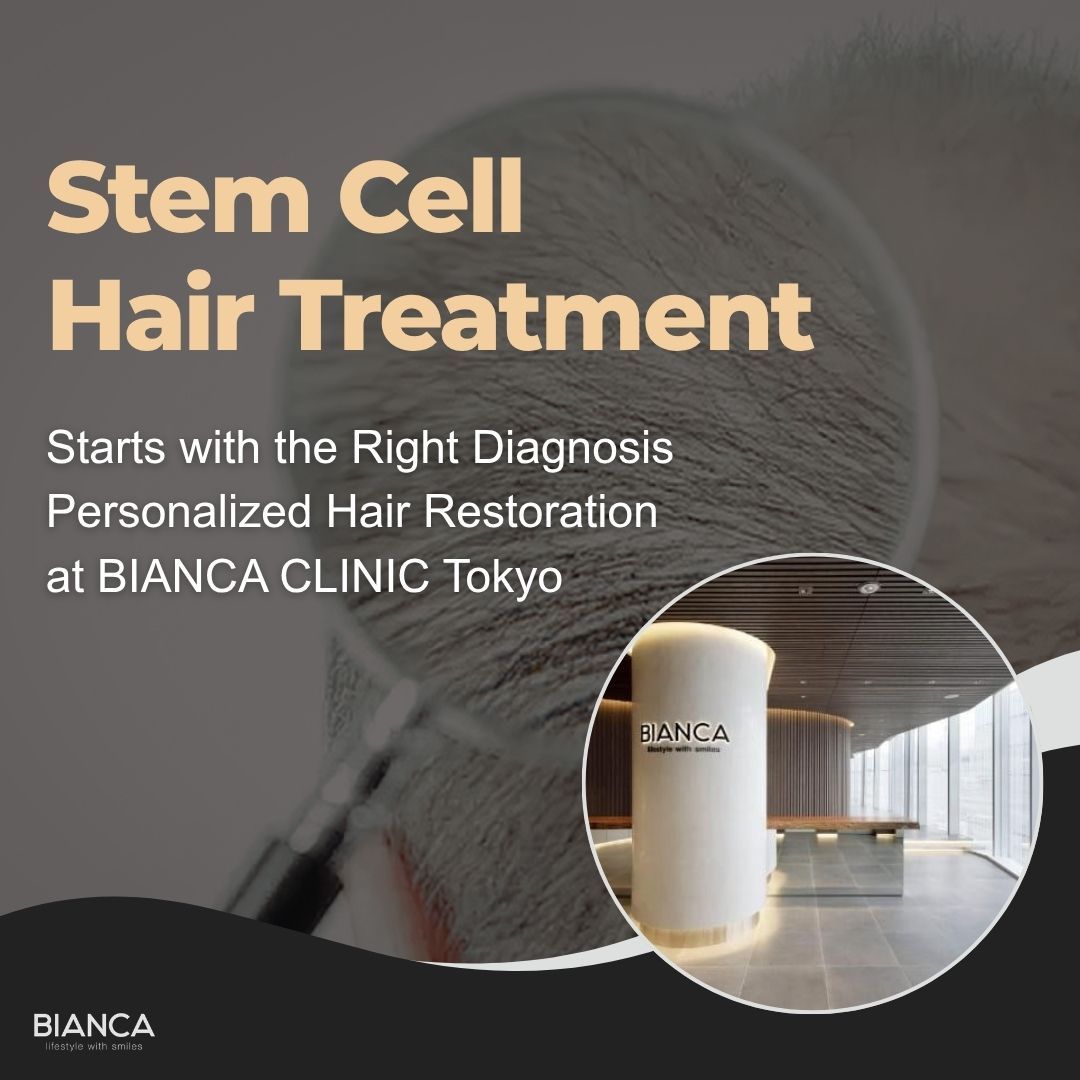
Hair thinning rarely develops overnight.
For many people, the first signs are easy to overlook.
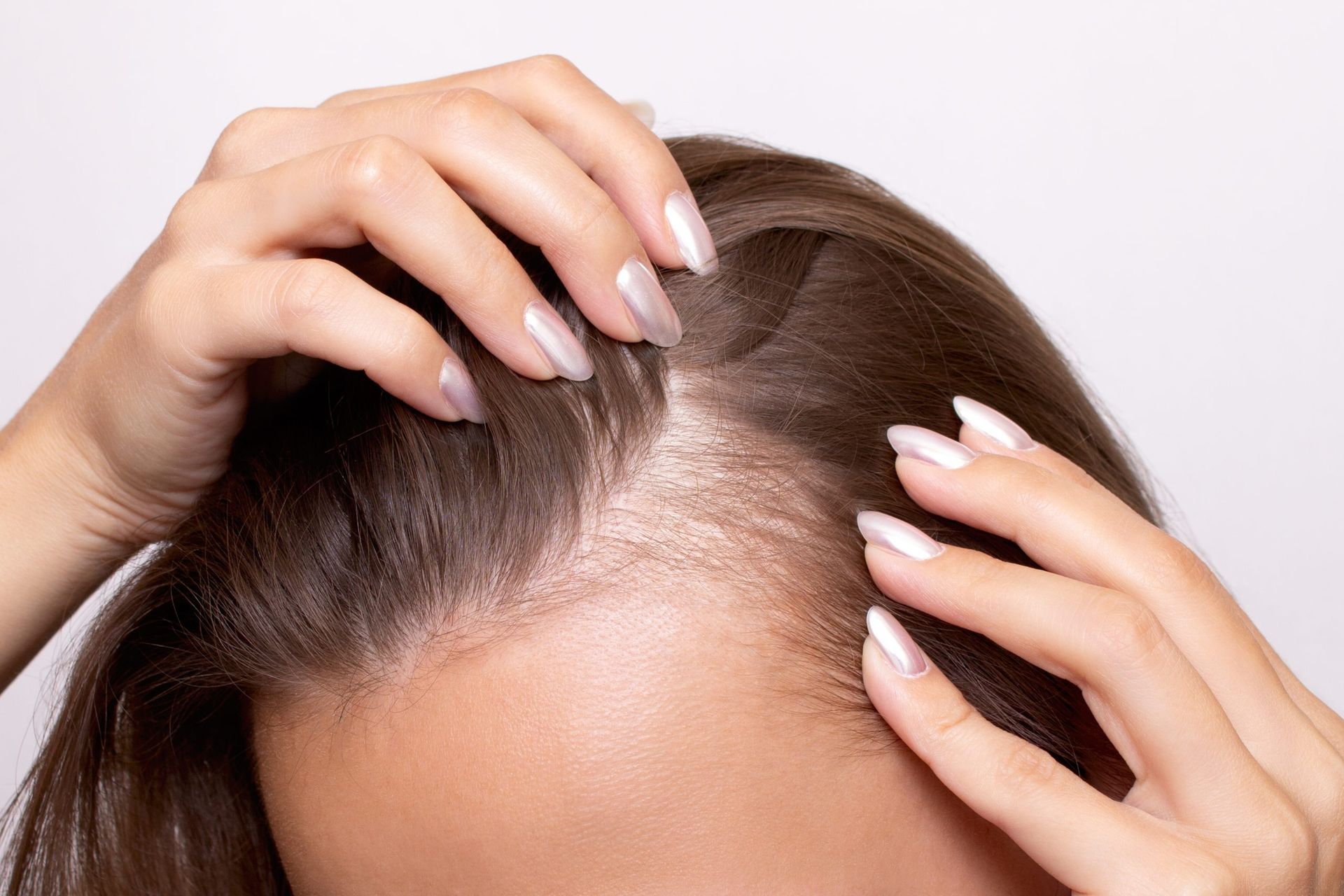
Your part gradually becomes wider, your scalp is more visible under bright lighting, or your hair simply doesn’t have the same volume it used to.
These subtle changes often develop over months or even years before they become obvious.
Medications such as minoxidil and finasteride remain well-established treatments for androgenetic alopecia (AGA).
They can be effective for many people, but they aren’t the right choice for everyone.
Some patients see only modest improvement, while others prefer to avoid long-term medication or hormone-related treatments altogether.
That’s one reason regenerative approaches, including stem cell-derived secretome therapy (Hair Regeneration Stem Cell Injection at BIANCA CLINIC), have attracted growing interest.
Rather than targeting hormones, this treatment is designed to support the environment around existing hair follicles.
Still, it’s important to understand that not everyone is an ideal candidate, and choosing the right treatment starts with understanding why your hair is thinning in the first place.
At BIANCA CLINIC Tokyo, we begin with a detailed assessment of your scalp, medical history, and lifestyle before recommending any treatment.
In this guide, we’ll explain what stem cell hair treatment involves, how we evaluate each patient, and what you can realistically expect if regenerative therapy is recommended.
What Is Stem Cell Hair Treatment?
Stem cell hair treatment is a form of regenerative medicine that aims to support existing hair follicles rather than replace them.
It does not create brand-new follicles or restore hair in areas where follicles have already disappeared.
Instead, the treatment is intended for follicles that are still present but have weakened over time, often producing finer, thinner hair as a result.
For patients in the early or moderate stages of hair thinning, improving the environment around these follicles may help promote healthier hair growth.
Stem Cell Hair Treatment Does Not Involve Injecting Stem Cells
A common misunderstanding is that stem cell hair treatment means injecting live stem cells into the scalp.
That isn’t how treatment is performed at BIANCA CLINIC.
Instead, we use cell-free stem cell-derived secretomes.
These are purified biological formulations that contain signaling proteins naturally released by cultured stem cells during the cell growth process.
Secretomes include growth factors, cytokines, and other bioactive proteins that help cells communicate with one another.
Because no living stem cells are administered, the treatment focuses on supporting the activity of existing follicles rather than introducing new cells into the scalp.
Understanding this distinction is important, especially for patients researching regenerative medicine for the first time.
How Secretomes May Support Hair Growth
Healthy hair depends on more than the follicle itself.
The surrounding scalp tissue also plays an important role in how well each follicle functions.
Over time, factors such as aging, reduced circulation, chronic inflammation, and everyday physiological stress can affect this environment.
As the support around the follicle becomes less favorable, hair may gradually become finer and lose volume.
Secretome therapy is intended to improve that local environment by delivering biologically active signaling proteins into the dermal layer of the scalp.
Although results vary from person to person, treatment may help support several biological processes, including:
- Supporting the hair growth cycle by encouraging follicles to remain in the active (anagen) phase for longer.
- Improving hair shaft thickness in follicles that have become miniaturized over time.
- Helping regulate low-grade scalp inflammation, which may interfere with normal follicle function.
These changes don’t happen overnight.
Hair grows in cycles, so visible improvements usually appear gradually as healthier follicles produce new hair over the following months.
How Is It Different from Conventional AGA Treatment?
Although both approaches are used to manage hair thinning, conventional AGA medications and regenerative therapy work in very different ways.
Medications such as finasteride are designed to reduce the effects of dihydrotestosterone (DHT), the hormone primarily responsible for follicle miniaturization in androgenetic alopecia.
Minoxidil, meanwhile, is commonly used to stimulate hair growth by prolonging the growth phase of the hair cycle.
Secretome therapy takes a different approach.
Instead of targeting hormones directly, it focuses on improving the biological environment surrounding existing hair follicles.
By supporting the scalp tissue itself, the goal is to help weakened follicles function more effectively.
Because these treatments work through different mechanisms, regenerative therapy is not necessarily an alternative to medication.
For some patients, a combination approach may offer the greatest benefit, while others may be better suited to one treatment alone.
That decision depends on several factors, including the cause of hair thinning, the condition of the follicles, your medical history, and your treatment goals.
This is why we always recommend making treatment decisions after a thorough clinical evaluation rather than selecting a procedure based on symptoms alone.
How Does BIANCA CLINIC Diagnose Hair Loss?
Hair thinning is not always caused by androgenetic alopecia (AGA). Female pattern hair loss, diffuse hair loss, lifestyle factors, and other conditions may also contribute.
For this reason, BIANCA CLINIC focuses on identifying the underlying cause before recommending any treatment.
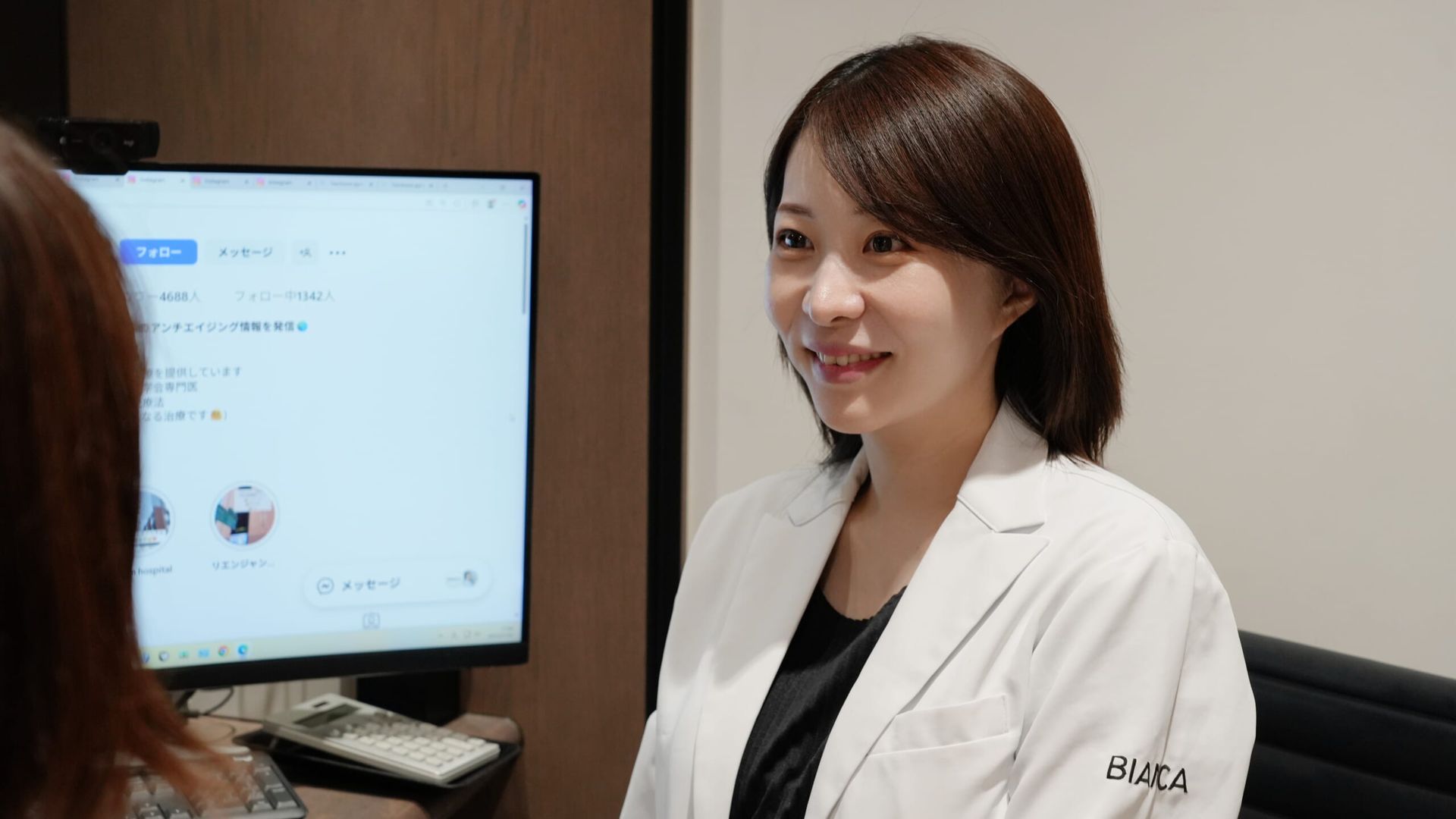
Our physicians evaluate your scalp, hair condition, and relevant lifestyle factors to create a personalized treatment plan.
Step 1. Medical Consultation
Your consultation begins with a discussion about when you first noticed hair thinning, how it has progressed, and your treatment goals.
We also review your lifestyle and medical history to better understand potential contributing factors.
Step 2. Detailed Scalp Examination
Using magnified scalp imaging, our physicians evaluate hair density, hair shaft thickness, and the condition of your hair follicles.
This detailed assessment helps us identify changes that may not be visible to the naked eye and better understand the stage and cause of hair thinning.
Step 3. Personalized Treatment Planning
Every patient has different causes of hair thinning, scalp conditions, and treatment goals.
Based on the findings from your consultation and scalp examination, our physicians recommend a treatment plan tailored to your individual needs.
Your progress is monitored throughout treatment, and the plan can be adjusted as needed to support the best possible outcome.
What to Expect from Stem Cell Hair Treatment
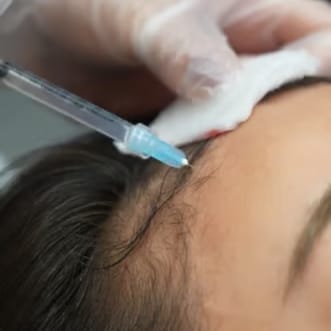
Every patient’s experience with stem cell hair treatment is different.
The results you can expect, how quickly changes become noticeable, and whether regenerative therapy is the right option all depend on factors such as the cause of your hair thinning, the condition of your hair follicles, and your overall scalp health.
Understanding these factors before treatment helps set realistic expectations and allows your physician to recommend the most appropriate treatment approach.
When Will I Start to Notice a Difference?
There’s no single answer because every case is different.
How quickly changes become noticeable depends on several factors, including the cause of your hair thinning, the condition of your follicles, and how your scalp responds to treatment.
Hair also grows slowly and follows its own natural cycle.
Even if the biological environment begins to improve soon after treatment, it takes time for newly strengthened hairs to become visible.
When Do Patients Usually Notice Changes?
Most people don’t see dramatic changes immediately after treatment, and that’s completely expected.
Some patients first notice that they’re shedding less hair when washing or brushing. Others describe their scalp feeling healthier before they notice visible changes in hair density.
As stronger hairs gradually complete a new growth cycle, improvements in thickness and volume may become easier to appreciate over the following months.
A typical timeline looks like this:
| Approximate Timeline | What You May Notice |
| 4–8 weeks | Reduced shedding and improvements in overall scalp condition |
| Around 3 months | Early changes in hair texture and shaft thickness |
| 3–6 months | Gradual improvements in visible density and hair volume |
| Ongoing | Maintenance treatment may help support long-term results |
The exact timeline varies from person to person, so your physician will discuss what is realistic based on your individual diagnosis.
Who Is Most Likely to Benefit?
Secretome therapy is generally considered for patients whose hair follicles are still present but no longer functioning at their full potential.
It may be appropriate for people with:
- Early to moderate androgenetic alopecia (AGA)
- Female pattern hair loss (FAGA)
- Follicle miniaturization
- Diffuse hair thinning where viable follicles remain
During your consultation, the focus isn’t simply on how much hair has been lost. We also assess whether enough active follicles remain to respond to regenerative treatment.
When Other Treatment Options May Be More Appropriate
Regenerative therapy has its limitations, and it’s important to understand them before deciding on treatment.
For example, secretome therapy cannot create new follicles in areas where the original follicles have already disappeared or been replaced by scar tissue.
Likewise, if hair loss is primarily related to an untreated autoimmune disorder or another underlying medical condition, addressing that condition should take priority.
In these situations, your physician may recommend a different treatment approach, such as medical therapy or hair transplantation, depending on your diagnosis and long-term goals.
Choosing the most appropriate treatment isn’t about offering every patient the same procedure—it’s about understanding what’s most likely to help in your specific situation.
Considering Hormonal Factors
Hormones can have a significant influence on hair growth in both men and women.
Age-related hormonal changes, ongoing stress, and certain medical conditions may all contribute to progressive hair thinning.
When these factors appear relevant, your physician may recommend additional evaluation before deciding on the most appropriate treatment plan.
If needed, secretome therapy can be combined with other medical approaches to address multiple contributing factors at the same time.
Physician-Performed Injection Technique
The quality of stem cell hair treatment doesn’t depend solely on the formulation being used.
The injection technique also plays an important role in the overall treatment experience.
At BIANCA CLINIC, all secretome injections are performed manually by experienced physicians.
Manual injection allows your physician to adjust the depth, spacing, and volume of each injection according to your scalp condition and treatment area.
This individualized approach helps deliver the formulation where it is intended while maintaining patient comfort throughout the procedure.
Why Secretome Quality Matters

When people research stem cell hair treatment, they often focus on the procedure itself.
However, the quality of the secretome being used is just as important.
Not all stem cell-derived secretomes are manufactured under the same conditions.
Their composition can vary depending on where the cells come from, how they’re processed, and how quality is maintained throughout production and storage.
For that reason, understanding the origin and handling of the product is an important part of choosing a regenerative treatment.
Why the Source and Manufacturing Process Matter
Secretomes contain a wide range of biologically active proteins that are released by stem cells during cell culture.
These include growth factors, cytokines, and other signaling molecules involved in cellular communication.
The concentration and stability of these proteins can be influenced by several factors, including:
- The quality and health of the donor cells
- Cell culture and manufacturing methods
- Quality control procedures
- Storage and cold-chain management
Because these variables differ between manufacturers, products described simply as “secretomes” are not necessarily equivalent.
Their composition and consistency may vary, which is one reason physicians consider product quality alongside the treatment technique itself.
Quality Standards at BIANCA CLINIC
At BIANCA CLINIC, we place strong emphasis on both safety and quality when selecting biological formulations.
Our treatment protocols include:
- Carefully selected donor cell sources
- Processing in certified Cell Processing Centers (CPCs) in Japan
- Manufacturing under strict quality management systems
- Comprehensive screening for infectious diseases before clinical use
These measures are intended to provide consistent quality while supporting patient safety throughout treatment.
Regenerative Medicine Under Japanese Regulations
Japan has established one of the world’s most structured regulatory frameworks for regenerative medicine.
Treatments using biological materials are governed under the Act on the Safety of Regenerative Medicine, which sets standards for treatment planning, safety management, and ongoing medical oversight.
Clinics offering regenerative therapies are required to comply with these regulations, giving patients an additional level of reassurance when seeking treatment in Japan.
For international visitors, knowing that regenerative medicine is practiced within a clearly defined legal framework can provide added confidence when considering care abroad.
Visiting Tokyo for Hair Treatment

Many of our patients travel from overseas specifically for treatment, while others choose to schedule their appointments during a business trip or holiday in Japan.
Whatever brings you to Tokyo, our team works with you to create a treatment schedule that fits your travel plans whenever possible.
English and Chinese Consultation Support
We believe that clear communication is essential for safe and personalized medical care.
Our team provides consultation support in both English and Chinese, so international patients can clearly understand their diagnosis, recommended treatment options, and aftercare instructions before proceeding with treatment.
We are committed to making every step of the process as comfortable and reassuring as possible for patients visiting Tokyo from overseas.
Planning Treatment Around Your Stay
Every travel itinerary is different.
Some international patients have only a few days in Japan, while others visit regularly throughout the year.
We’ll discuss your schedule during your consultation and recommend a treatment plan that works realistically within your available time.
If multiple sessions are advised, we’ll help you plan future appointments around your return visits whenever possible.
Continuing Care After You Return Home
Hair restoration doesn’t end when you leave the clinic.
Because changes develop gradually over time, ongoing care is an important part of the process.
Before you return home, we’ll explain how to care for your scalp, what changes to expect, and when follow-up may be helpful.
For international patients, remote follow-up can also be arranged when appropriate, allowing us to review your progress after you’ve returned home.
Pyetje të shpeshta
Q. Is stem cell hair treatment painful?
A topical anesthetic is applied before treatment to improve comfort during the procedure.
Most patients describe the injections as mildly uncomfortable rather than painful.
It’s also common to experience slight redness or tenderness afterwards, but these effects usually settle within a day or two.
Q. How many treatment sessions will I need?
There isn’t a single treatment schedule that suits everyone.
The number of sessions depends on factors such as the degree of hair thinning, the condition of your follicles, and your treatment goals.
After examining your scalp, your physician will recommend a treatment plan based on your individual needs.
Q. Can I continue using minoxidil or finasteride?
In many cases, yes.
Because these medications work differently from secretome therapy, they can often be used together.
Whether this is appropriate for you depends on your medical history and current treatment plan, so your physician will discuss the best approach during your consultation.
Q. Is stem cell hair treatment suitable for women?
Po.
Secretome therapy may be considered for women experiencing female pattern hair loss (FAGA) or diffuse hair thinning, provided the remaining hair follicles are suitable for regenerative treatment.
Your physician will determine whether you’re likely to benefit after assessing your scalp and medical history.
Q. How soon will I notice results?
Hair grows gradually, so noticeable changes usually take time.
Some patients first observe reduced shedding within the first few weeks, while visible improvements in hair thickness and density often develop over the following three to six months.
The exact timeline varies from person to person and depends on the underlying cause of hair thinning.
Q. Can I receive treatment during a short visit to Tokyo?
Po.
Many international patients schedule their consultation and first treatment during a single visit to Tokyo.
If additional sessions are recommended, we’ll help coordinate future appointments around your travel plans whenever possible.
Q. How much does treatment cost?
Treatment costs vary depending on several factors, including the size of the treatment area, the amount of secretome required, and whether additional therapies are recommended.
After your consultation and scalp assessment, your physician will provide a personalized treatment plan along with a clear explanation of the expected costs before any treatment begins.
Interested in finding out whether stem cell hair treatment is right for you?
At BIANCA CLINIC Tokyo, every treatment begins with a detailed physician consultation and scalp assessment.
If you’re experiencing hair thinning and would like a personalized evaluation, we’re here to help.