



Introduction: Why Longevity Health Matters Now
Longevity health is about extending your healthy years, not merely adding birthdays. Longevity becomes attainable when you align daily habits with what the strongest research already supports. Instead of chasing fads, build a personal system that compounds over time; longevity rewards consistency far more than perfection.
Today’s science shows that while genetics play a role, lifestyle and environment drive most outcomes we care about—energy, strength, clear thinking, and disease risk. This guide translates complex findings into practical steps so you can protect your healthspan and pursue longevity with clarity.
The Longevity Equation: What You Can Control
Think of longevity as the sum of several pillars—nutrition, training, sleep, stress, social connection, and prevention. When these pillars support each other, the result is resilience. Your strategy should be simple enough to live with yet precise enough to move the needle on measurable outcomes tied to longevity.
Nutrition for Longevity
A plant-forward, Mediterranean-style pattern remains the most reliable foundation for longevity. Make whole foods the default, emphasizing vegetables, legumes, fruit, whole grains, nuts, and olive oil, with high-quality protein from fish, eggs, fermented dairy, and lean meats as desired. Aim for 30–50 g fiber daily, prioritize colorful produce for polyphenols, and limit ultra-processed foods.
- Build your plate: half non-starchy vegetables; a quarter protein; a quarter smart carbs (intact grains, tubers, legumes); plus healthy fats.
- Distribute protein (about 25–40 g per meal) to support muscle, a key determinant of longevity.
- Hydrate; minimize sugary drinks; if you drink alcohol, keep it light and occasional.
Time-restricted eating can help some people, but it is optional. The priority is nutrient quality and a sustainable calorie balance that maintains muscle while managing body fat.
Training for Longevity
Cardiorespiratory fitness and strength are among the strongest predictors of longevity. Blend aerobic work with resistance training and everyday movement.
- Aerobic: 150–300 minutes per week, mostly Zone 2 (conversational effort) plus short bursts of higher intensity as tolerated.
- Strength: 2–3 sessions per week covering squat, hinge, push, pull, carry. Progress gradually; prioritize form.
- Mobility, balance, and power: include brief sessions for joint range, single-leg stability, and safe, fast intent (e.g., medicine-ball throws).
Improving VO2 max, grip strength, and gait speed correlates with better longevity, better function, and reduced chronic disease risk.
Sleep and Stress for Longevity
Sleep is a nightly reset for brain, hormones, and immunity. Target 7–9 hours with consistent bed/wake times, morning light, a cool dark bedroom, and caffeine cutoffs 8+ hours before bed. If sleep remains difficult, consider cognitive behavioral strategies for insomnia and discuss options with a clinician.
For stress, favor daily, bite-sized practices over occasional extremes: 10 minutes of breathwork, a short walk after meals, or a brief mindfulness session. These habits improve recovery and help keep lifestyle changes durable—critical for longevity.
Connection, Purpose, and Cognitive Fitness
Strong relationships, a sense of meaning, and continued learning are powerful longevity levers. Prioritize weekly social time, volunteer or mentor, and challenge your brain with new skills—language, music, crafts—over rote brain games.
Prevention, Skin, and Environment
Prevention multiplies the benefits of healthy living. Keep vaccinations current; schedule age-appropriate screenings; protect skin with broad-spectrum SPF; and maintain dental care to reduce systemic inflammation. At home, improve air quality, reduce noise, and set up an ergonomic, movement-friendly workspace.
Biomarkers That Predict Longevity
Track a few high-yield metrics so you can steer with data, not guesswork. Improvements here tend to mirror gains in longevity.
- Cardio-metabolic: resting heart rate, blood pressure, waist-to-height ratio (aim under 0.5), fasting glucose and A1C, apoB or LDL-C, triglycerides, hs-CRP.
- Fitness: VO2 max estimate, grip strength, 5–10 rep strength in key lifts, gait speed, and a simple balance test.
- Sleep: duration, efficiency, and consistency (from a validated device or a journal).
Reassess every 8–12 weeks to confirm your longevity plan is working.
Supplements and Emerging Tools: What Helps Longevity, What Needs Proof
Food-first is still the rule. Evidence-backed add-ons include omega-3 for triglyceride reduction and heart health, creatine for muscle and cognition support, and vitamin D if deficient. Probiotics can be helpful in specific situations; they are not universally needed.
Compounds like NAD+ precursors and senolytics are promising but not yet definitive for longevity. Medications such as metformin or rapamycin should only be considered with medical supervision and a clear indication. Wearables, continuous glucose monitors, and sauna or cold exposure can support behavior change, yet they are tools—not the foundation—of longevity.
Longevity Health, Simplified: A 12-Week Kickstart Plan
- Weeks 1–2: Build a plate template; walk 8–10k steps/day; set a fixed bedtime; get morning light.
- Weeks 3–4: Add two full-body strength sessions; cook three plant-forward dinners per week.
- Weeks 5–8: Accumulate 150–200 minutes Zone 2 weekly; track fiber and protein; schedule screenings.
- Weeks 9–12: Layer brief intervals; practice daily stress relief; review labs and fitness markers; adjust the plan.
Keep the workload realistic so momentum compounds—small wins, repeated, drive longevity.
Myths, Red Flags, and How to Think Critically
- If it promises overnight longevity, it’s marketing, not medicine.
- “Detox” claims without clear mechanisms or measurable outcomes are distractions.
- Extreme diets that shrink muscle undermine longevity; prioritize strength.
- Biological age scores can be interesting but should not outrank your core biomarkers.
Conclusion: Build Your Personal Longevity System
Longevity is not a single breakthrough; it is a durable routine that protects muscle, metabolism, mind, and relationships. Start with the pillars that move the biggest levers—nutrition quality, consistent training, restorative sleep, stress management, connection, and prevention—and track a handful of biomarkers to keep improving.
This article is educational and not medical advice. Partner with a qualified clinician to personalize your approach, then let time and consistency do the compounding. Your longevity journey begins with today’s next small step.
Biografia

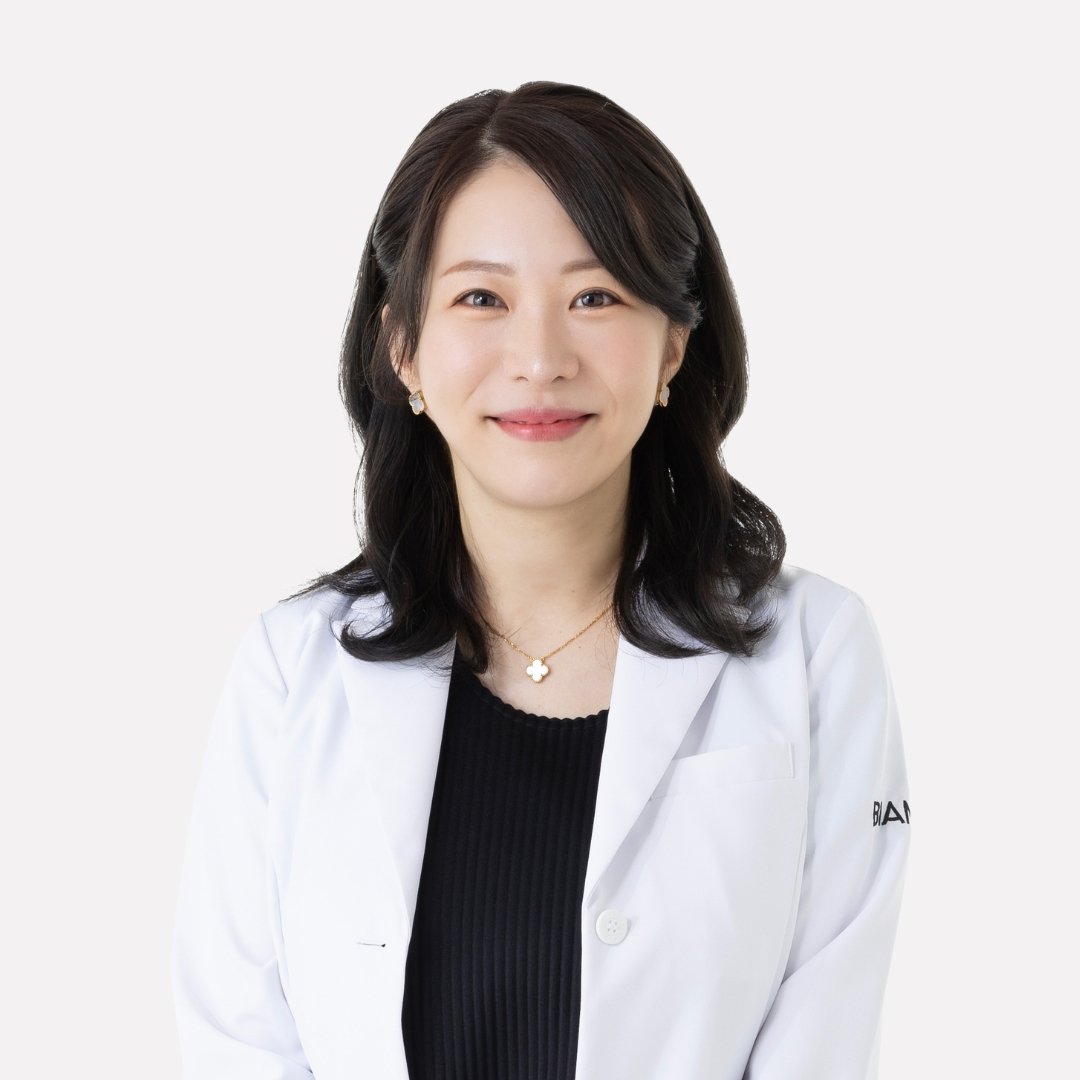
| Dr. Yoko Maeda, MD A graduate of Hiroshima University School of Medicine, Dr. Maeda is a U.S. and Japan–certified specialist in aesthetic and regenerative medicine, offering advanced treatments such as hormone therapy and peptide therapy. She is known for her gentle, science-driven approach to natural beauty and continues to study the latest medical innovations with a passion for lifelong learning. |
Rezervoni një konsultë sot
📲 Na ndiqni për përditësime! BIANCA Instagram Ndërkombëtar
🔹 Si të rezervoni takimin tuaj
Ju lutemi klikoni në lidhjen më poshtë dhe plotësoni formularin me shqetësimet tuaja, kodin tuaj të referimit nëse e keni, dhe ditën dhe orën që preferoni.
📌Click for bookings
Jeni të mirëpritur pa takim!
📝 Shënim: Të gjitha konsultat, trajtimet dhe vizitat e ndjekjes përfshijnë shërbime falas përkthimi —pa shpenzime shtesë!
Vendndodhjet e klinikave
📍 Klinika Ginza
12F Ginza ONE, 1-8-19 Ginza, Chuo-ku, Tokio, Japoni
☎ 050-3196-4834
🚇 Access:
🚶♀️ A 4-minute walk from Ginza Station on the Tokyo Metro Ginza Line.
🚶♀️ A 1-minute walk from Exit 7 of Ginza-itchome Station on the Tokyo Metro Yurakucho Line.
🚶♀️ A 3-minute walk from Exit 3 of Kyobashi Station on the Tokyo Metro Ginza Line.
🚶♀️ An 8-minute walk from the Kyobashi Exit of JR Yurakucho Station .
📍 Klinika Omotesando
Ndërtesa Minami-Aoyama 511, Kati i 2-të, 5-11-10 Minami-Aoyama, Minato-ku, Tokio, Japoni
☎ 050-1807-1593
🚇 Access:
🚶♀️ A 5-minute walk from Exit B1 of Omotesando Station on the Tokyo Metro Ginza Line, Hanzomon Line, and Chiyoda Line.
Orari i konsultimit: 10:00–19:00 I mbyllur: Pushime të parregullta
Rreth Klinikës BIANCA
Në BIANCA, ne e rishkruajmë kujdesin për bukurinë duke ofruar një qasje holistike që tejkalon kirurgjinë kozmetike dhe dermatologjinë tradicionale. Njëzet mjekë të specializuar në fusha të ndryshme—përfshirë kirurgjinë plastike, dermatologjinë, mjekësinë e brendshme, mjekësinë rigjeneruese dhe gjinekologjinë—do të dëgjojnë me kujdes nevojat tuaja dhe do t'ju ndihmojnë të përmirësoni bukurinë dhe mirëqenien tuaj nga brenda e jashtë. Ne jemi të përkushtuar të krijojmë plane trajtimi të personalizuara me saktësi dhe kujdes, duke siguruar që të përjetoni shpirtin e vërtetë të omotenashi-së japoneze dhe mikpritjes.